
When navigating Cryptocurrency and Stock Market Indexes, live prices, charts and comparative analytics for digital assets and equities. Also known as crypto & stock indexes, they help investors track performance across markets. Pair that with Blockchain Analytics, tools that dissect transaction flows, network health and on‑chain activity, and you get a clearer picture of why a coin moves or a stock spikes. Crypto Exchange Reviews, objective assessments of fees, security and liquidity on platforms plug directly into this data, guiding where to trade safely. Finally, understanding Tokenomics, the supply, distribution and incentive mechanisms behind each token rounds out the decision‑making process.
Our collection stitches together the three pillars that drive modern investing: real‑time market numbers, deep on‑chain insight, and vetted platform reviews. Knowing the price trends (Cryptocurrency and Stock Market Indexes includes real‑time prices) lets you spot opportunities fast. Grasping network health (Blockchain Analytics measures transaction volume) tells you if a blockchain is resilient. Reading exchange ratings (Crypto Exchange Reviews evaluate security) helps you avoid risky venues. Together, these elements form a feedback loop that sharpens your strategy.
Below you’ll find articles that break down mining difficulty, airdrop tactics, token supply models, and regional regulation updates—everything you need to turn raw data into actionable moves. Dive in and see how each piece fits into the larger puzzle of crypto and stock market investing.

As of late 2025, there is no confirmed Polytrade airdrop. Learn what Polytrade actually does, how to spot scams, and what steps to take if a token launch happens. Stay informed through official channels only.
Learn More
China doesn't tax cryptocurrency - it bans it. Learn why owning or trading crypto in China carries criminal penalties, not tax liabilities, and how the digital yuan replaces decentralized crypto entirely.
Learn More
Fmall Exchange is not a real crypto exchange. It's a scam with no regulatory presence, no verified history, and no way to withdraw funds. Learn how to spot fake platforms and stick to trusted exchanges like Coinbase and Kraken.
Learn More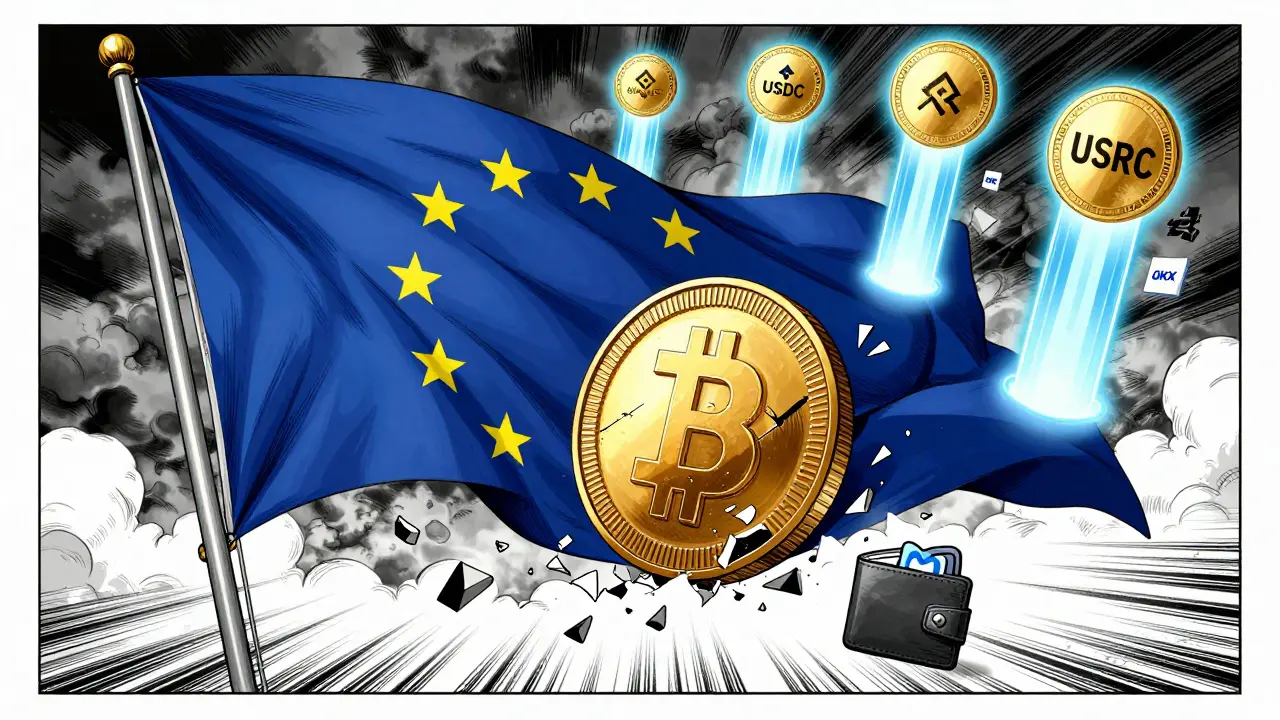
The EU banned USDT under MiCA regulations as of July 1, 2025. Find out why, which stablecoins are now legal, and how this affects your crypto holdings in Europe.
Learn More
Minswap V2 is the fastest, cheapest DEX on Cardano with near-zero fees, smart routing, and a clean interface. Perfect for daily token swaps and liquidity provision. Learn how it compares to SundaeSwap, JellySwap, and why it’s the top choice for Cardano traders.
Learn More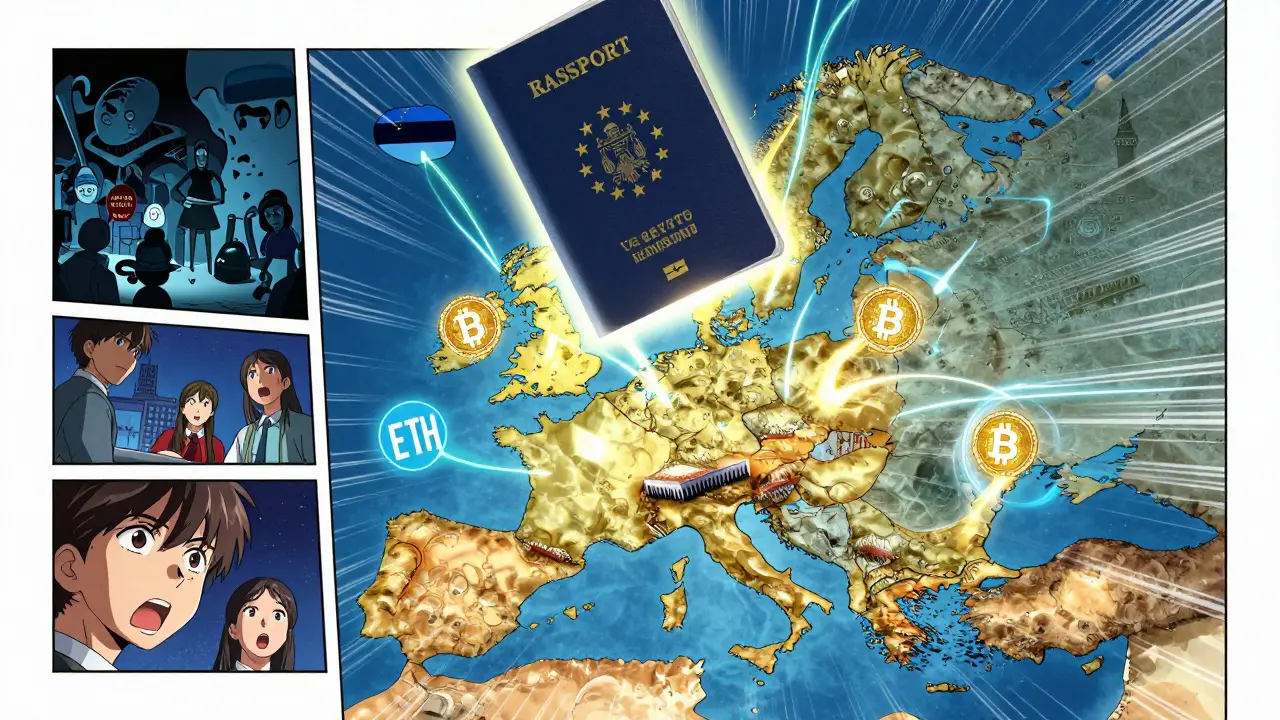
MiCA regulation now governs cross-border crypto services in the EU, requiring all providers to get licensed. Find out how it affects exchanges, wallets, stablecoins, and non-EU firms in 2025.
Learn More
Using fake documents to access crypto exchanges is a federal crime with serious prison time and asset seizure risks. Learn how fraud is detected, who prosecutes it, and why there's no safe shortcut.
Learn More
The ECB (not EZB) doesn't run crypto exchanges-but it controls which ones can operate in Europe. Learn what the ECB's 2025 review means for your trades, safety, and access to crypto products.
Learn More
BFT systems can tolerate up to one-third of nodes being faulty, following the strict rule n ≥ 3f + 1. Learn how many nodes you need to handle 1, 2, or 3 failures-and why this math is non-negotiable in blockchain and enterprise systems.
Learn More
Account abstraction turns crypto wallets into smart programs that support social recovery, gasless transactions, and custom rules-without losing self-custody. Here's how ERC-4337 is making blockchain easier for everyone.
Learn More
Even in countries where crypto is banned, people still use DEXs to trade, save, and send money. This guide explains how DEX access works under strict restrictions - and how to do it safely.
Learn More
Bangladesh received $30 billion in remittances in 2025, but crypto is still banned. Learn why digital currencies aren't allowed, how remittances actually work, and what alternatives exist for faster, cheaper transfers.
Learn More