
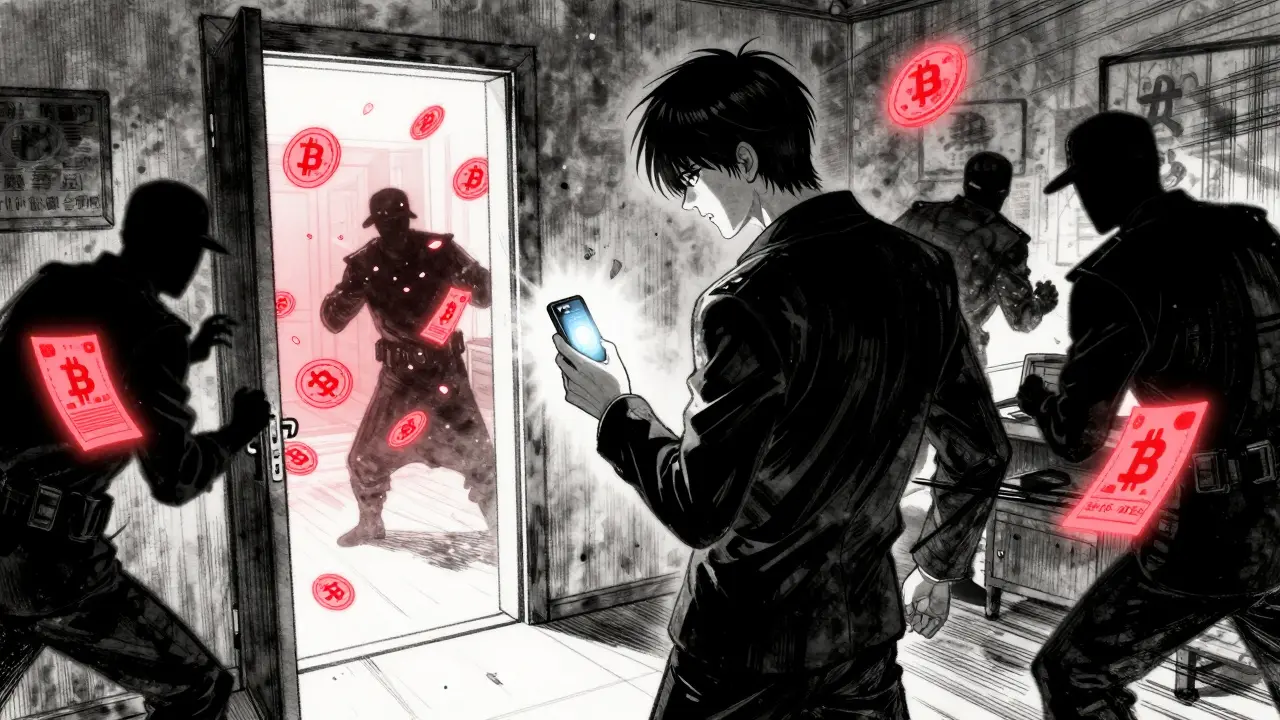
There is no such thing as crypto taxation in China - not because the government doesn’t collect taxes, but because owning or trading cryptocurrency is illegal.
China Doesn’t Tax Crypto - It Bans It
Most countries treat cryptocurrency like property or income. You buy Bitcoin, sell it later for a profit, and you pay capital gains tax. In the U.S., Canada, Australia, or even Japan, that’s standard. But in China, the rules are completely different. There’s no tax form for crypto profits because the government doesn’t recognize crypto as something you’re allowed to own in the first place. Since June 1, 2025, China has enforced a total ban on all cryptocurrency activities. That means no trading, no mining, no staking, no holding - not even as a personal investment. The People’s Bank of China (PBOC) made it clear: crypto isn’t a financial asset. It’s an illegal financial activity. And illegal activities don’t get taxed. They get seized. If you’re caught with Bitcoin, Ethereum, or any other digital token, authorities don’t ask for your tax return. They confiscate it. Your wallet keys don’t matter. Your exchange account doesn’t matter. The state doesn’t care how much you made. They care that you broke the law.A 16-Year Road to Total Prohibition
China didn’t wake up one day and ban crypto. It built this ban step by step over 16 years, like turning off a series of switches. In 2009, the government first warned against using virtual currencies to buy real goods. By 2013, banks were ordered to stop processing Bitcoin transactions. In 2014, domestic Bitcoin exchanges were shut down. In 2017, Initial Coin Offerings (ICOs) were banned - no more fundraising through tokens. In 2018, miners were pushed out of the country as electricity costs rose and regulators cracked down. In 2021, mining was outlawed nationwide over energy use concerns. And in September 2021, the final hammer fell: all crypto trading, exchanges, and wallet services were banned. Each step tightened the noose. By 2025, even holding crypto privately was no longer protected by any legal gray area. The May 30, 2025 decree made it official: ownership itself is not illegal, but any action tied to it - sending, receiving, selling, even storing - is. And without those actions, there’s no taxable event. No sale. No income. No gain. Just violation.What Happens If You Get Caught?
The penalties aren’t fines. They’re criminal. If you’re found trading crypto on a peer-to-peer app, your bank account freezes. Your phone might be seized. Your assets - whether it’s 0.1 BTC or 100 ETH - are confiscated. You could face administrative penalties, or worse, criminal charges for “illegal fundraising” or “financial fraud.” The law doesn’t care if you’re a student buying Bitcoin for fun or a businessman trying to hedge against inflation. If you’re involved, you’re violating state financial control. Foreigners aren’t exempt. Tourists, expats, students - if you’re in China and you’re holding crypto, you’re breaking the law. Your home country’s tax rules don’t matter here. Chinese law applies to everyone on its soil. Even using a VPN to access a foreign exchange isn’t safe. Authorities monitor financial flows closely. If your bank transfers money to a crypto platform - even overseas - it triggers red flags. Banks are required to report suspicious transactions, and crypto-related transfers are now flagged automatically.Why Does China Do This?
China’s goal isn’t just to stop speculation. It’s to control money. The government sees decentralized crypto as a threat to its financial sovereignty. If people can move money outside the system, bypassing banks and regulators, that undermines control. It also makes it harder to track capital flight, money laundering, or underground economic activity. That’s why China created the digital yuan - its own central bank digital currency (CBDC). Unlike Bitcoin or Ethereum, the digital yuan is fully traceable, centrally managed, and tied to your real identity. Every transaction is recorded. Every transfer monitored. There’s no anonymity. No decentralization. Just state-controlled digital cash. The digital yuan isn’t an alternative to crypto - it’s the opposite. It’s the tool China uses to replace crypto entirely. While other countries debate how to tax crypto, China is building a system where crypto doesn’t exist.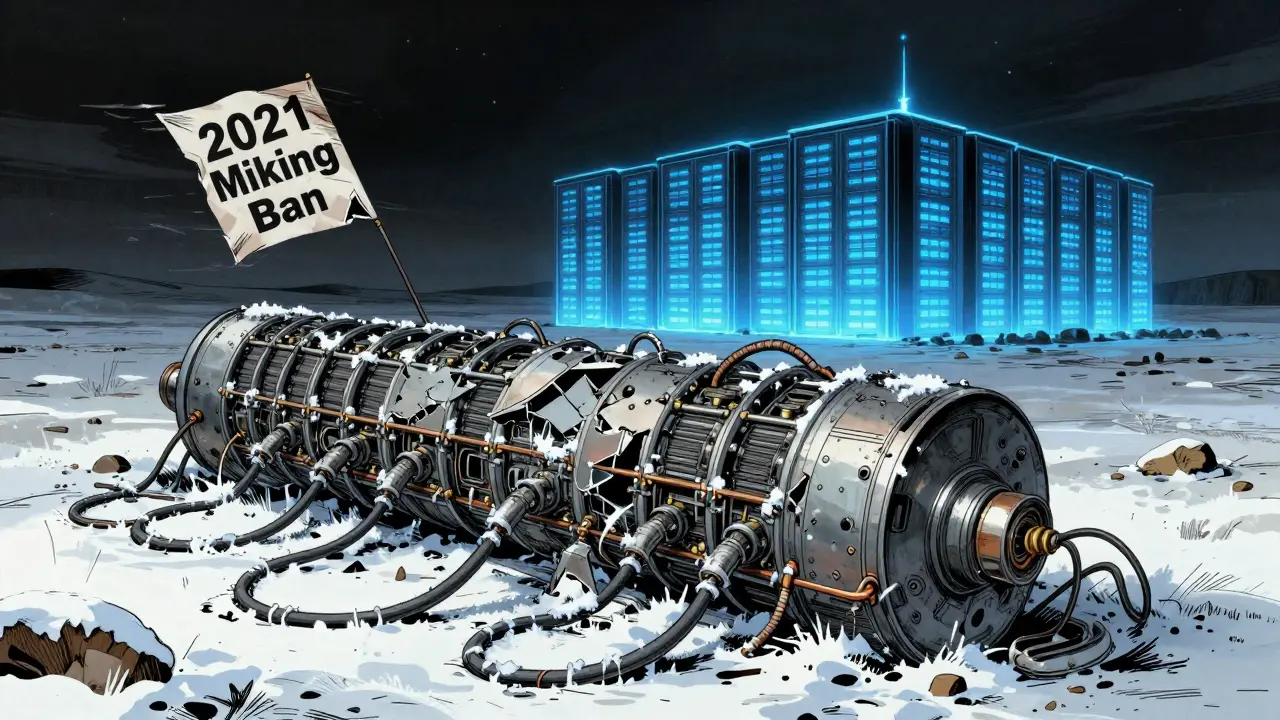
How This Compares to the Rest of the World
In Taiwan, crypto trading is taxed at 5% VAT. In the U.S., you pay up to 37% in capital gains tax. In Germany, you can hold crypto tax-free after one year. In India, a 30% tax on gains applies, plus a 1% TDS on every trade. China is the only major economy that doesn’t just tax crypto - it erases it from the legal system. Other countries want to regulate. China wants to eliminate. That’s why you won’t find a single tax guide for crypto in China. There’s no IRS-style form. No accountant who specializes in crypto filings. No online calculator for capital gains. Because there’s nothing to calculate.Is There Any Hope for Change?
In July 2025, officials in Shanghai held a meeting about digital assets. Some experts suggested China might soften its stance - possibly allowing regulated stablecoins or institutional access to digital assets under strict controls. But don’t expect legalization. Even if the rules change, it won’t be about letting people trade Bitcoin. It’ll be about letting state-approved entities use digital tokens under the umbrella of the digital yuan. The government isn’t backing down. It’s doubling down.What This Means for You
If you’re living in China: don’t touch crypto. Not even as a curiosity. The risks aren’t just financial - they’re legal. Your savings, your device, your freedom could be on the line. If you’re outside China and thinking about investing in crypto because you’ve heard it’s “tax-free” there: that’s a dangerous myth. No tax doesn’t mean no risk. It means total risk. No protection. No recourse. No legal safety net. China’s approach is extreme. But it’s real. And it’s working - for the state.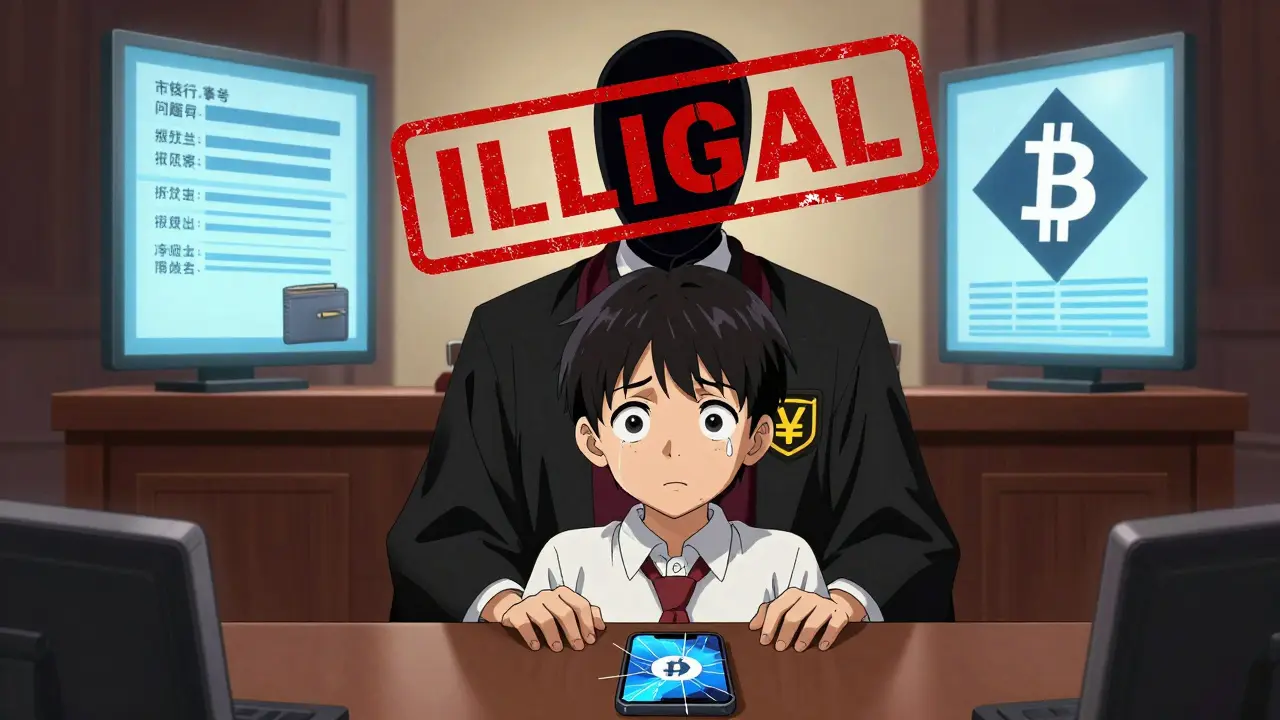
What About Mining?
Crypto mining in China is dead. Not just discouraged - banned. Any hardware running mining software is subject to seizure. Power companies are required to cut electricity to suspected mining operations. In 2021, China was responsible for over 65% of global Bitcoin mining. Today, that number is near zero. Miners fled to Kazakhstan, the U.S., and Canada. The Chinese government didn’t just stop mining - it erased it from the map.Can You Legally Own Crypto in China?
Technically, the law doesn’t say “it’s illegal to hold crypto.” But that’s a loophole, not a right. If you’re found with crypto, you can’t prove ownership legally. Any contract involving crypto - even a simple agreement to sell Bitcoin to a friend - is void. Courts won’t enforce it. Banks won’t recognize it. The state won’t protect it. So while you might still have Bitcoin in a wallet you created before the ban, you have no legal standing. If the government comes knocking, you can’t sue them for taking it. You can’t file a complaint. You can’t appeal. You’re on your own.Bottom Line: Crypto and China Don’t Mix
Crypto taxation doesn’t exist in China because crypto itself doesn’t exist under Chinese law. There’s no IRS, no tax code, no reporting requirement - because the government doesn’t want you to have it. Period. This isn’t a tax strategy. It’s a warning. China chose control over freedom. And if you’re thinking about engaging with crypto in China, you’re not just risking money. You’re risking your future.Other countries are figuring out how to tax digital assets. China decided to outlaw them entirely. And so far, it’s working.
10 Responses
China doesn't tax crypto because it doesn't want you to have it at all
Not because it's too smart to tax it
But because it's too afraid of losing control
Money should flow through the state or not at all
This isn't economics
This is power dressed up as policy
Bro if you're holding crypto in China you're already playing Russian roulette with your bank account and your phone
They don't care if you're a student or a grandma
One flagged transfer and poof
Everything gone
Imagine being so scared of freedom that you outlaw money that can't be tracked
They're not building a future
They're building a prison with better Wi-Fi
And the digital yuan? That's not currency
That's a surveillance tool with a blinking LED
Every transaction screams your name to the state
:(
Why do Americans keep thinking China will change its mind
They banned TikTok for being too powerful
They banned crypto for being too free
They banned private tutoring for being too honest
They don't do compromise
They do erasure
And you think they'll let Bitcoin live
LOL
They already won
Just to clarify something people miss: even if you bought crypto before the ban, you have zero legal recourse if it's seized
Chinese courts won't hear your case
Your wallet keys are meaningless in court
It's not a gray area
It's a black hole
And the state owns the gravity
There's no tax form because there's no property rights
Just possession without protection
Oh so now crypto is tax-free in China
Great
So is smuggling drugs
And selling unlicensed guns
Does that make it a good idea too
Because that's the level of logic we're operating on here
Nothing is taxed because nothing is allowed
Not a feature
A warning sign in neon
People keep saying 'China banned crypto' like it's a policy shift
It's not
It's the final step in a 16-year plan to replace money with a state-controlled app
The digital yuan isn't an alternative
It's the replacement
And you think they'll let some decentralized ghost coin compete with their digital ID system
LOL
They're not behind the curve
They're writing the new rulebook
They're watching you right now
Every time you open Binance
Every time you type a wallet address
Every time you use a VPN
They have algorithms that flag crypto traffic
And your bank is forced to report it
Don't think you're safe because you're not in China
They can freeze your assets anywhere if they link it to your identity
This isn't paranoia
This is policy
They're not just banning crypto
They're erasing the concept of private wealth
Think about it
If you can't own anything that can't be tracked
Then everything you have belongs to them
The digital yuan isn't money
It's a leash
And the moment you try to break free
They don't fine you
They delete you
From your bank
From your phone
From your life
And the world is watching and doing nothing
Because they're too busy calculating their capital gains
While China builds the future
And we're just the ghosts in the machine
It's funny how people in the West think China's ban is extreme
But they're the only ones who actually care about financial sovereignty
Other countries want to tax it
China wants to own it
And honestly
That's smarter
Because if you control the money
You control everything
And if you're complaining about this
Then you probably don't like being told what to do either
So maybe ask yourself
Why do you want crypto so badly
Is it freedom
Or just rebellion against systems you don't understand