
When you hear crypto trading, the act of buying and selling digital assets like Bitcoin, Ethereum, or niche tokens on exchanges or decentralized platforms. Also known as digital asset trading, it’s not just about timing the market—it’s about understanding the tools, risks, and real systems behind every trade. Most people think crypto trading means watching price charts and hoping for a big pump. But the real game happens in the background: on decentralized exchanges like Uniswap and THENA, inside stablecoins like Frax USD that keep value steady, and through airdrops like N1 or Wizard’s Rainfall that hand out tokens to early users.
Behind every trade is a chain of decisions. You’re not just picking a coin—you’re choosing whether to trust a token built on BEP-20, whether a DEX like SushiSwap offers better rewards than its rivals, or if that "AI-powered" coin like EchoLeaks is just a ghost with no code behind it. The market doesn’t care about hype. It cares about liquidity, team credibility, and whether the project has real utility or is just a meme with a whitepaper. That’s why so many crypto trading losses come from chasing NEKO airdrops that never existed or DUKE COIN tokens with zero trading volume. Real crypto trading means knowing the difference between a token backed by tokenized U.S. Treasuries and one that vanished after a single tweet.
Blockchain technology isn’t just the foundation—it’s the engine. Enterprise DLT systems like Hyperledger Fabric power supply chains and banks, while ERC-721 and ERC-1155 standards let NFTs represent art, game items, or even real estate. These aren’t side notes—they’re the reason you can trade an NFT on BSC or swap tokens without a middleman. And when regulators like the SEC hit Terraform Labs with a $4.68 billion fine, or OFAC targets North Korean crypto networks, it changes how you trade. Compliance isn’t boring—it’s survival.
You’ll find posts here that cut through the noise: real breakdowns of DEXs, warnings about abandoned airdrops, deep dives into stablecoins that actually work, and clear explanations of why some coins have no chance of surviving. No fluff. No hype. Just what you need to trade smarter—not harder.
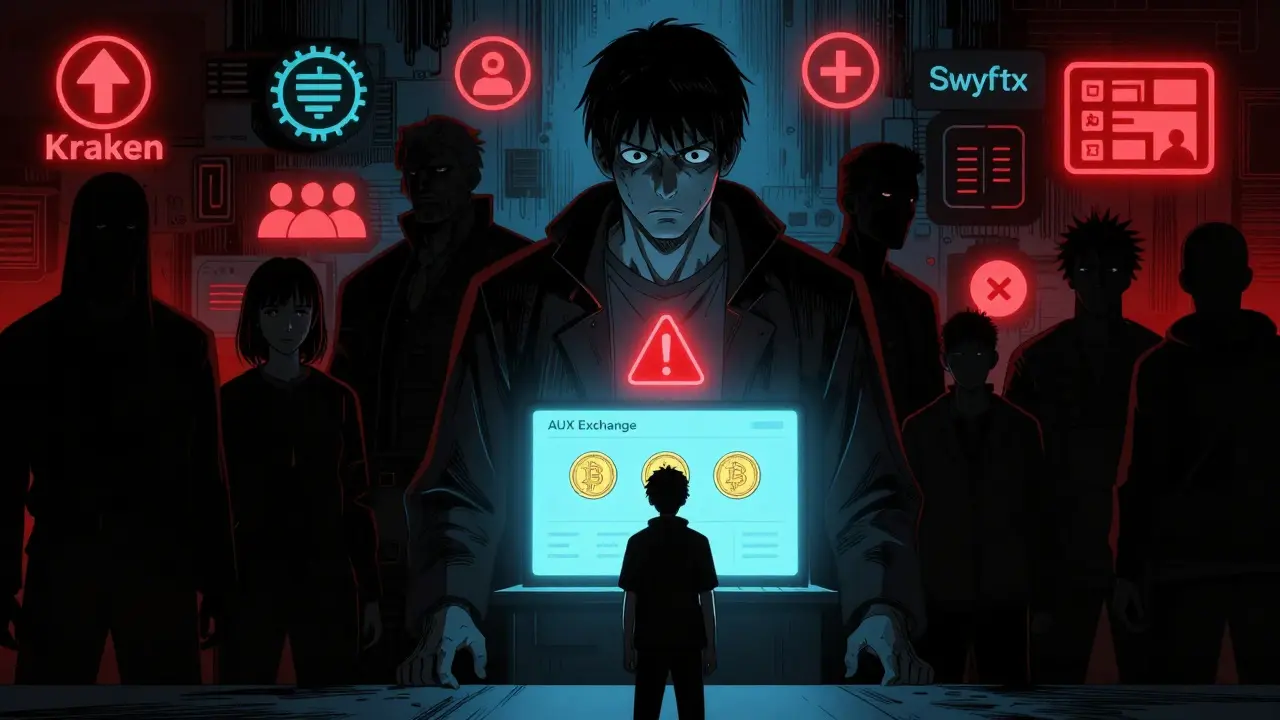
AUX Exchange is a crypto platform with only three trading pairs, no security details, no regulatory compliance, and zero user activity. It offers no transparency, no support, and no reason to trust it. Avoid this exchange.
Learn More
Uniswap and SushiSwap are two top decentralized exchanges. Uniswap is simple and reliable for casual traders. SushiSwap offers rewards and multi-chain support for active users. Which one suits your style?
Learn More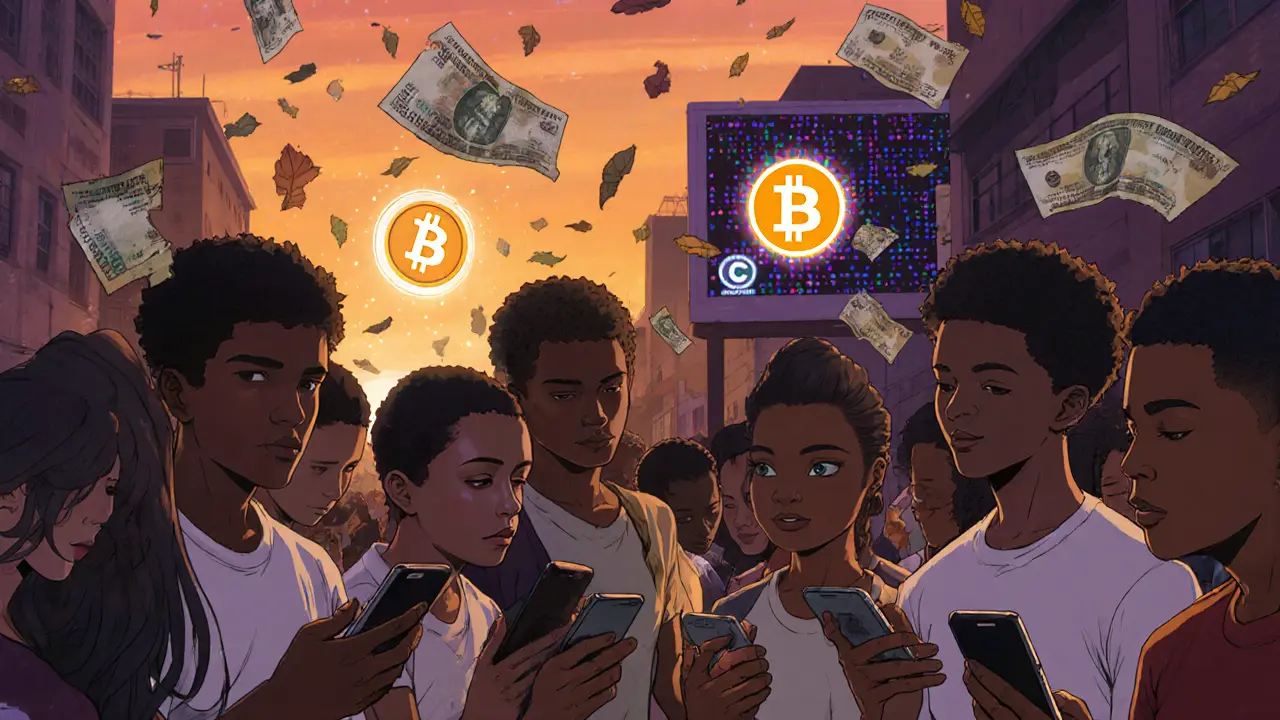
Nigerian crypto trading has surged to $59 billion in a year, with over 22 million users bypassing the unstable naira. Inflation, bank restrictions, and capital controls are pushing citizens toward digital assets - weakening the currency and reshaping the economy.
Learn More