
When you buy a crypto token, you're trusting a group of anonymous people with your money. Most of them? They don’t care if you make money. They just want to cash out before you realize it’s a rug pull, a scam where developers abandon a project and steal all the invested funds. Also known as exit scam, it’s the most common way people lose money in crypto. It doesn’t matter if the token has a fancy website, a whitepaper, or a Telegram group with 50,000 members. If the team is hidden, the liquidity is locked with a backdoor, or the code hasn’t been audited—you’re already in danger.
Look at the tokens that collapsed in 2024: xMOON, a token with no team, no utility, and an 89% crash, or Burnsdefi (BURNS), a nearly dead coin with zero trading volume and no community. These weren’t accidents. They were planned. The same pattern shows up in SLEX Token, a token only tradable on its own obscure exchange with no liquidity outside it. Real projects don’t hide. They publish audits, list on major exchanges, and have public teams. If you can’t find who built it, don’t touch it.
Check the liquidity pool. If 90% of the tokens are held by one wallet, that’s a red flag. If the liquidity isn’t locked for at least a year—or worse, locked with a time window that expires in days—you’re being set up. Look at the contract code. Is it open on Etherscan or BscScan? Has it been verified? A quick search for "rug pull" on the project’s GitHub or Twitter often reveals past warnings. And never invest based on hype. The most dangerous tokens are the ones everyone’s whispering about—because the insiders already sold.
There’s no magic tool that stops rug pulls. But there are simple steps: verify the team, check liquidity locks, read the code, and ask why the project exists. If the answer is "to make money fast," walk away. The posts below show real cases—what went wrong, who got burned, and how to spot the same signs before it’s too late.
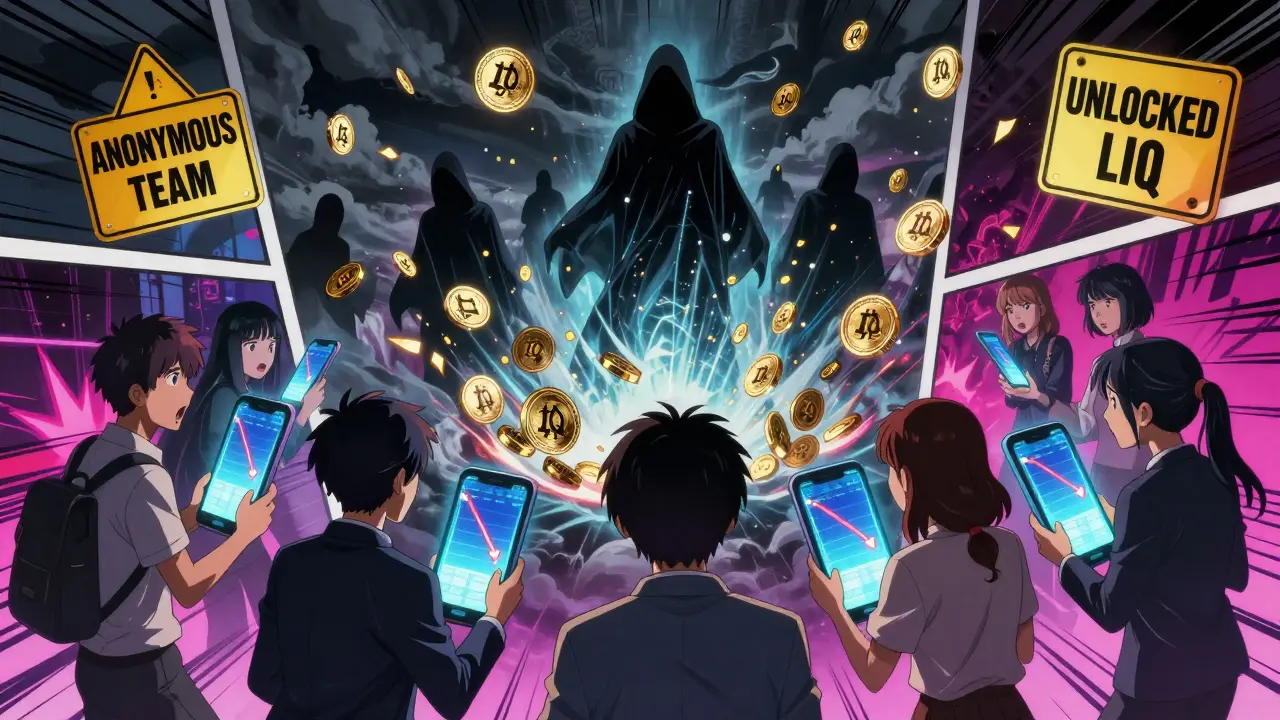
A rug pull in cryptocurrency is a scam where developers create a fake project, hype it up, then vanish with investors' funds. Learn how they work, the red flags to watch for, and how to protect yourself from losing your money.
Learn More