
When you invest in a DeFi rug pull, a scam where developers abandon a decentralized finance project and drain all the funds from its liquidity pool. Also known as a liquidity drain, it’s one of the most common ways people lose money in crypto without ever getting hacked. Unlike traditional fraud, a DeFi rug pull doesn’t need a middleman—it happens right on the blockchain, often in minutes, and leaves no trace but a dead token and a silent Discord.
These scams usually follow the same script: a team creates a new token with a flashy name and promises of high returns, locks just enough liquidity to look legit, then disappears. The token price spikes as early buyers jump in, then crashes to zero the second the liquidity is pulled. You won’t find a website, whitepaper, or team members after the fact—just a token with zero trading volume and a ghosted social media account. Projects like Burnsdefi (BURNS), a nearly dead crypto token with no utility or community, and SLEX Token, a token with no liquidity and no third-party exchange listings are textbook examples. Even tokens tied to platforms like Pump.fun, a Solana-based tool that lets anyone launch meme coins in minutes, can become rug pulls if the creators walk away after the hype dies.
What makes these scams dangerous is how they mimic real DeFi projects. They use the same interfaces, the same tokens, the same liquidity pools. But real projects don’t vanish. They have audits, team verifications, and long-term roadmaps. A rug pull has none of that. Look for hidden owner keys, unverified contracts, or liquidity locked for less than 30 days. If the token’s name sounds like a meme or a joke, and the team is anonymous, treat it like a loaded gun.
The market is full of projects that look like opportunities but are just traps. You’ll find them in places where people chase quick gains—low-cap tokens, new exchanges like BitAsset, a platform with no regulatory license and reported withdrawal issues, or airdrops with no clear utility. The xMOON crypto token, a high-risk asset with no team and an 89% price crash is another case study in how fast things can go wrong.
Below, you’ll find real reviews and breakdowns of tokens, exchanges, and DeFi tools that have either survived scrutiny—or collapsed under it. These aren’t warnings dressed up as news. They’re post-mortems, investigations, and warnings from people who’ve been burned. Whether you’re trading on Uniswap, staking on a new protocol, or chasing the next meme coin, this collection gives you the tools to tell the difference between a real project and a rug pull before you send your money in.
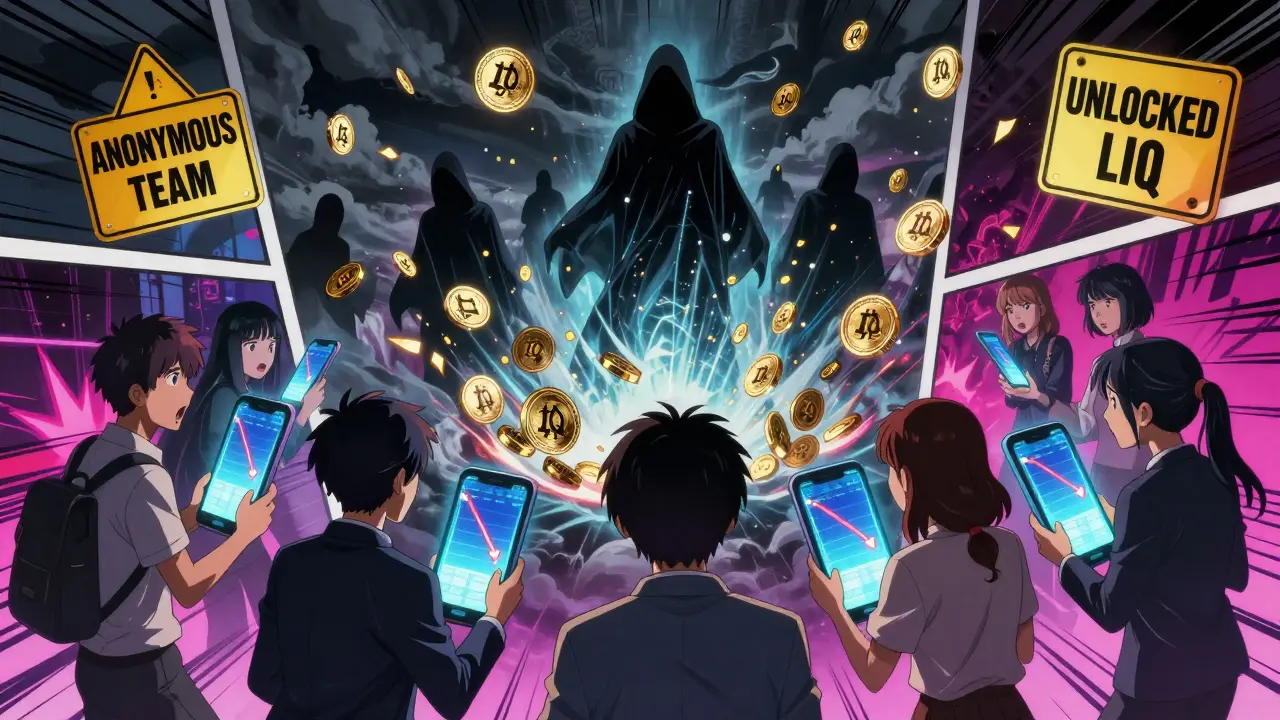
A rug pull in cryptocurrency is a scam where developers create a fake project, hype it up, then vanish with investors' funds. Learn how they work, the red flags to watch for, and how to protect yourself from losing your money.
Learn More