
Imagine waking up to find out you might have won a piece of a zombie apocalypse. That was the pitch for Zombie World Z, or ZWZ. It wasn't just another meme coin; it promised a gaming experience wrapped in blockchain technology. But if you're digging into the history of this project today, you'll hit a wall of silence where there should be updates. The big question isn't just about what the ZWZ airdrop was, but what happened after the confetti settled.
This article breaks down the specifics of the ZWZ giveaway, how it worked, and why the lack of data is actually the most important detail for anyone looking at this project now. We aren't here to hype a ghost town. We are here to look at the cold, hard facts of a campaign that attracted millions but left many questions unanswered.
The Core Facts of the ZWZ Giveaway
Let's get straight to the numbers. The Zombie World Z team launched their major promotional push on December 24, 2021. This timing was no accident. They wanted to catch people during the holiday lull when they were scrolling through social media and looking for free money. The campaign ran until January 4, 2022. That’s an 11-day window. Short, sharp, and intense.
The prize pool was set at 200,000 $ZWZ tokens. Now, don't let that number fool you into thinking everyone got rich. The participation numbers were staggering. According to JLaunchpad documentation, nearly 4,000,000 people tried to get in on the action. Do the math. If everyone shared equally, each participant would have gotten a fraction of a cent worth of tokens. But that’s not how these things work. It was a lottery-style distribution among those who completed specific tasks.
The platform hosting this frenzy was CoinMarketCap. This gave the project a veneer of legitimacy. CMC listings usually mean some level of vetting, though it doesn’t guarantee long-term success. The instructions weren't hidden in fine print; they were published on the project’s Substack. You had to read them. Miss a step? You were off the winner list. No exceptions.
How the Participation Worked
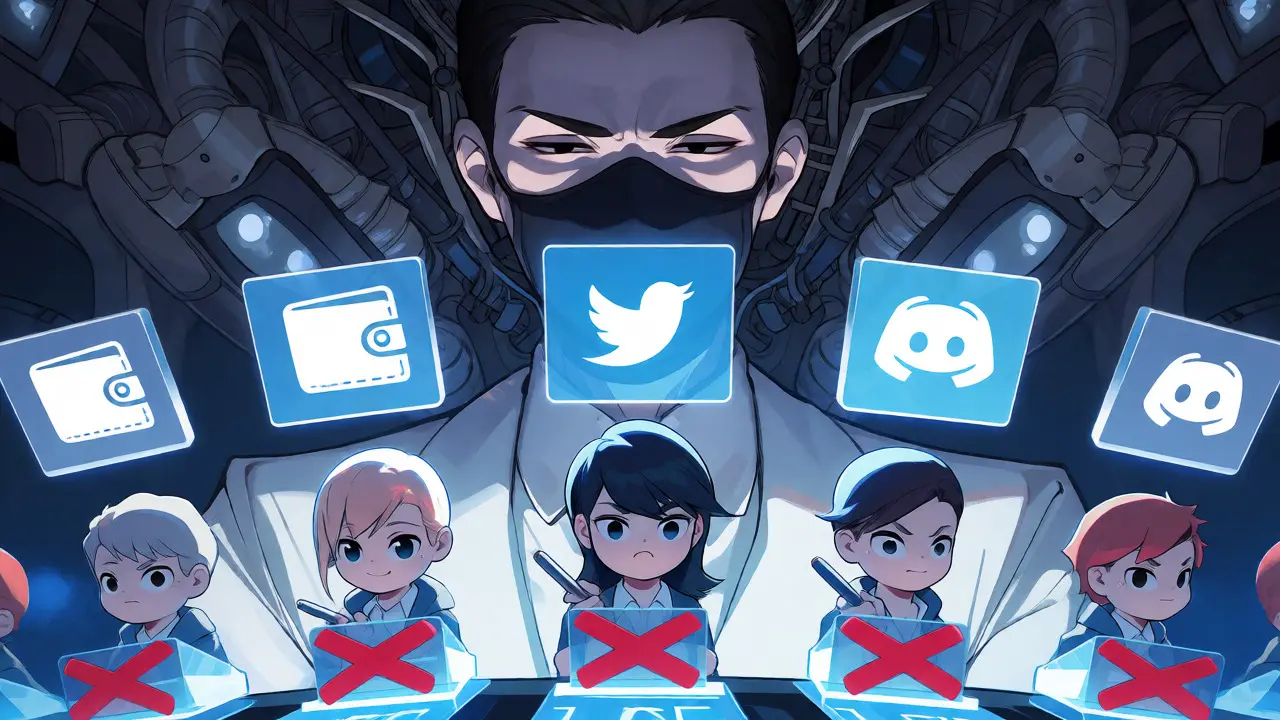
You couldn't just click a button and hope for the best. The ZWZ airdrop required active engagement. Users had to follow specific steps outlined in the tutorial guides provided by the team. This included connecting wallets, verifying email addresses, and often sharing posts on social media platforms like Twitter and Telegram.
Why did they make it so complicated? Simple. Data harvesting. Every task completion gave the marketing team a verified user profile. For a new GameFi project, having a database of 4 million interested users is gold. It proves demand, even if that demand is only for free tokens.
- Wallet Connection: Users needed a compatible crypto wallet to receive potential winnings.
- Social Verification: Following the official accounts was mandatory.
- Task Completion: Specific actions like retweeting or joining Discord servers had to be logged.
If you skipped one of these, your entry was void. The strictness suggests the team was trying to filter out bots, though with 4 million participants, some bots likely slipped through.
The Tokenomics and IDO Context
The giveaway didn't happen in a vacuum. It was tied to an Initial DEX Offering (IDO). To participate in the IDO, which allowed you to buy tokens before public trading, you had to stake KDG tokens. This is a common tactic to lock up liquidity and ensure community commitment.
| Requirement Type | Threshold | Benefit |
|---|---|---|
| Community Stake | 5,000 KDG | Standard participation chance |
| Guaranteed Spot | 100,000 KDG | Priority allocation in IDO |
| Airdrop Entry | Free (Task-based) | Chance to win share of 200k ZWZ |
The dual-tier system meant that whales-those with larger holdings-got priority. Regular users relied on luck. This structure favored early adopters who already held KDG tokens. If you were new to the ecosystem, your odds were significantly lower unless you bought in heavily.
The Silence After the Storm
Here is where things get tricky. After January 2022, the noise died down. BeInCrypto analysis points out a severe lack of accurate trading data for ZWZ. In the crypto world, volume is life. No volume means no price discovery. No price discovery makes it nearly impossible to value the asset or predict its future.
Where is the development team? Where is the roadmap update? Comprehensive technical details about the underlying blockchain technology, the specific game mechanics, or the whitepaper revisions are scarce. Most projects launch with a flurry of activity, then fade into obscurity if they fail to deliver a playable product. ZWZ seems to fall into this category.
Compare this to competitors like Axie Infinity or The Sandbox. Those projects released playable demos, expanded their ecosystems, and maintained consistent communication. Zombie World Z lacks this continuity. The "Zombie Party" mentioned in their marketing materials never seemed to start for the broader audience.

Why Information Gaps Matter for Investors
You might think, "It's just an airdrop, who cares?" But if you still hold ZWZ tokens from that era, or if you are considering buying any remaining supply, you need to care. The absence of reliable exchange listings suggests low liquidity. You might buy tokens easily, but selling them could be a nightmare.
Furthermore, the competitive landscape has shifted. In 2026, GameFi is dominated by high-fidelity graphics and robust play-to-earn models. A project that hasn't updated its documentation in years is likely dormant. Dormant projects carry high risk. There is no support team to answer tickets. There are no regular developer updates on GitHub. The codebase may be stale.
Before you invest time or money into Zombie World Z, ask yourself: Has this project shipped a product? Is the team active on social media? Are there real transactions happening on-chain? If the answers are no, treat the token as speculative fiction rather than a financial instrument.
Lessons from the ZWZ Campaign
The ZWZ airdrop serves as a case study in modern crypto marketing. It shows how effective a well-timed, high-volume giveaway can be for initial visibility. Four million participants is a massive reach for a niche project. However, it also highlights the disconnect between marketing hype and product delivery.
For users, the lesson is clear: Don't confuse popularity with viability. Just because thousands of people joined a waitlist doesn't mean the service will be good. Look for substance over spectacle. Check for working products, transparent teams, and consistent market data. If a project relies solely on giveaways to stay relevant, it’s probably struggling to retain users organically.
What was the total amount of ZWZ tokens distributed in the giveaway?
The Zombie World Z team allocated a total of 200,000 $ZWZ tokens for the giveaway campaign that took place between late 2021 and early 2022.
How many people participated in the ZWZ airdrop?
According to JLaunchpad documentation, nearly 4,000,000 participants attempted to join the airdrop campaign, indicating very high initial interest despite the limited prize pool.
Is there reliable trading data available for ZWZ today?
No, analyses by sources like BeInCrypto indicate a significant lack of accurate and consistent trading data for ZWZ, suggesting low liquidity and limited exchange presence since the initial launch.
What were the requirements to participate in the ZWZ IDO?
Participants needed to stake KDG tokens. Standard community participation required a minimum stake of 5,000 KDG, while guaranteed participation in the Initial DEX Offering required staking 100,000 KDG.
Did Zombie World Z release a detailed technical whitepaper?
Comprehensive technical details and a detailed whitepaper are notably absent from current documentation, making it difficult to assess the project's underlying technology and long-term viability.