
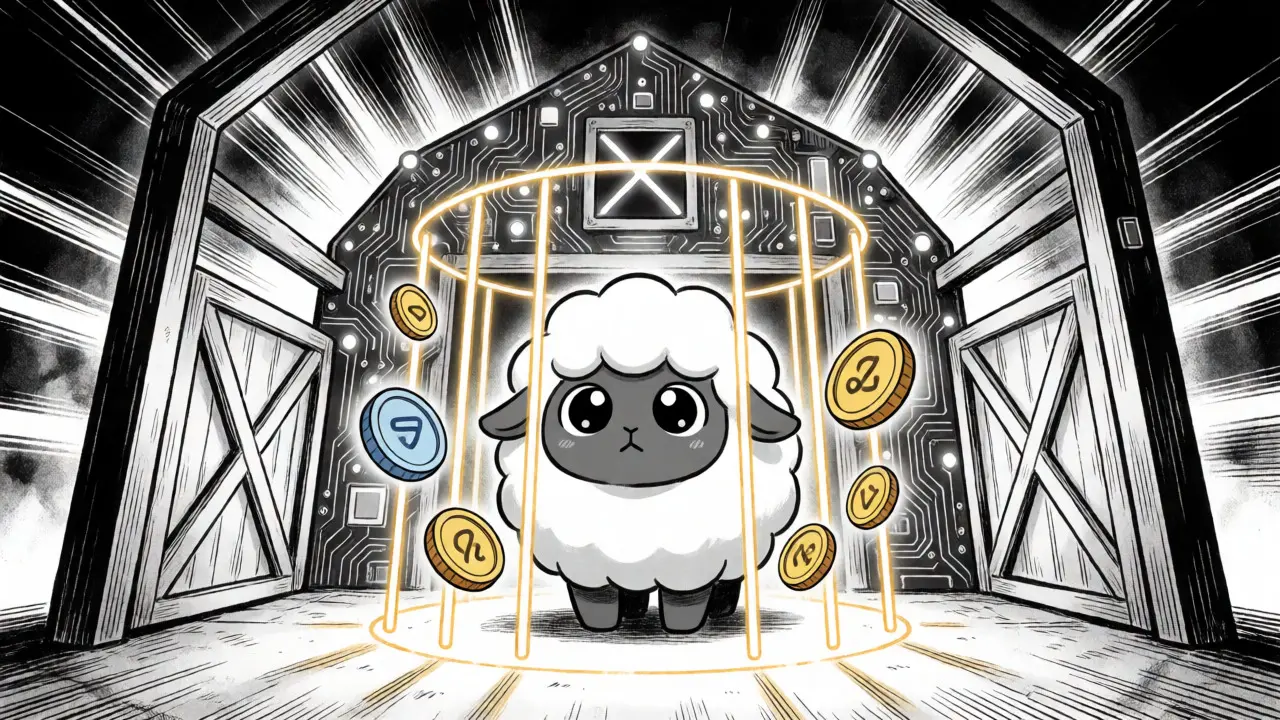
Imagine you have a digital sheep. You park it in a virtual barn to earn rewards. Sounds simple, right? But here’s the twist: there are wolves. And if you aren’t careful, they might steal your hard-earned coins. This is the core tension of Wolf Game, a blockchain-based game that launched in late 2021 and shook up the play-to-earn landscape. At the heart of this ecosystem sits Wool (WOOL), the native ERC-20 utility token that powers the entire economy.
If you’ve been scrolling through crypto Twitter or checking out new NFT projects, you’ve probably seen people talking about "shearing" their sheep. It’s not just cute imagery; it’s a high-stakes game theory experiment on the Ethereum blockchain. In this guide, we’ll break down exactly what WOOL is, how the mechanics work, why the supply is capped, and whether this niche project still holds value in 2026.
The Core Concept: Sheep, Wolves, and Risk
Most play-to-earn games feel like a treadmill. You log in, you click, you get paid. Wolf Game throws that model out the window by introducing genuine risk. The game revolves around two types of NFTs: Sheep and Wolves.
- Sheep: These are your earning assets. When you stake a Sheep in the Barn, it generates WOOL tokens every day.
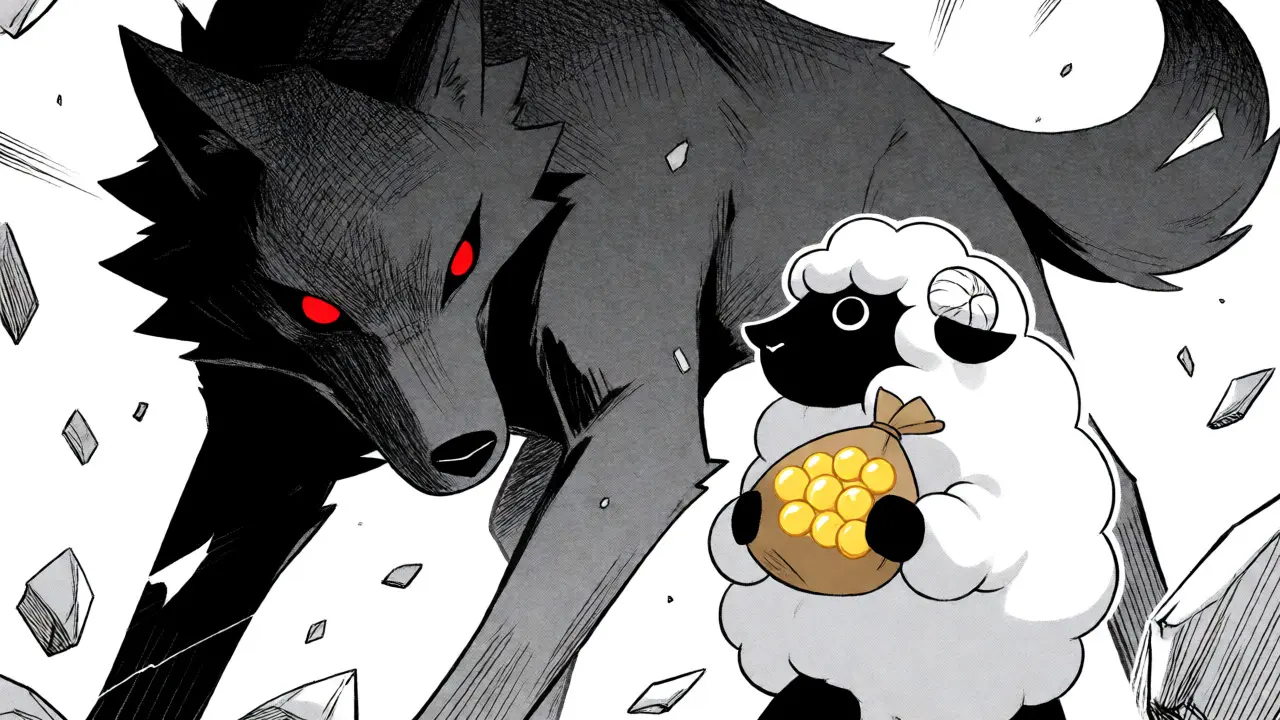
- Wolves: These are the protectors-and the predators. They guard the Barn, but they also tax the earnings.
Here is where it gets interesting. If you leave your WOOL sitting in the Barn too long, a random event can trigger a "Wolf Attack." If a Wolf attacks while your WOOL is unclaimed, the Wolves take a cut of your accumulated rewards. This forces players to make strategic decisions. Do you claim your WOOL now and pay gas fees? Or do you wait for a bigger payout and risk losing a chunk of it to the Wolves?
This mechanic isn’t just for show. It creates a dynamic market where player behavior directly impacts the token’s velocity. Unlike other games where you farm endlessly with no downside, Wolf Game makes you think twice before logging off. It’s game theory applied to cryptocurrency, rewarding those who understand timing and probability over those who simply hold.
Technical Specs: What Makes WOOL Tick?
Before you buy any WOOL, you need to know what you’re actually buying. WOOL is an ERC-20 token built on the Ethereum network. This means it lives in your standard Ethereum wallet, like MetaMask, and can be traded on decentralized exchanges like Uniswap.
Let’s look at the numbers. Many meme coins and early NFT tokens suffered from infinite inflation. Developers could mint more tokens whenever they wanted, diluting the value for everyone else. WOOL takes a different approach. It has a hard cap of 5 billion tokens. Once that number is reached, no more can be created. This scarcity is crucial for long-term value retention.
| Attribute | Value/Detail |
|---|---|
| Token Standard | ERC-20 |
| Blockchain | Ethereum Mainnet |
| Max Supply | 5,000,000,000 WOOL |
| Decimals | 18 |
| Primary Utility | Reward Currency & Governance |
| Minting Mechanism | Staking Sheep NFTs |
The smart contract address for WOOL is `0x8355dbe8b0e275abad27eb843f3eaf3fc855e525`. Always verify this address when adding the token to your wallet, as fake clones are common in the NFT space. Because it’s on Ethereum, interactions require ETH for gas fees. This is a significant barrier to entry compared to layer-2 solutions like Polygon or Solana, but it also provides a level of security and liquidity that newer chains sometimes lack.
How to Earn WOOL: The Shearing Process
You don’t just buy WOOL; you generate it. The primary way to acquire WOOL is by owning a Sheep NFT and staking it in the game’s Barn. Each active Sheep produces exactly 10,000 WOOL per day. That sounds like a lot, but remember the price volatility and the taxes involved.
When you decide to collect your rewards, you perform an action called "shearing." However, you don’t keep all 10,000 WOOL. The system automatically deducts a 20% tax. Who gets this tax? The holders of Wolf NFTs. This creates a symbiotic relationship: Sheep owners provide the demand for WOOL generation, while Wolf owners provide the "security" (and the threat) that regulates the supply flow.
So, if you stake one Sheep for a full day, you generate 10,000 WOOL. When you shear, you receive 8,000 WOOL, and 2,000 WOOL goes to the Wolf treasury. This deflationary pressure helps stabilize the token’s value, preventing the runaway inflation that killed many other play-to-earn economies in 2022 and 2023.
Market Context and Price Volatility
As of September 2026, the broader play-to-earn market has matured. Projects like Axie Infinity and The Sandbox dominate the headlines, but Wolf Game remains a unique case study in community-driven economics. WOOL typically trades at a fraction of a cent-around $0.001 as of recent data-but its market capitalization fluctuates wildly based on community sentiment and Ethereum network activity.
Why does the price move so much? Three main factors drive WOOL’s value:
- Gas Fees: High Ethereum gas fees discourage frequent claiming. If it costs $50 in gas to claim $10 worth of WOOL, players will wait longer, reducing immediate sell pressure.
- NFT Floor Prices: The value of WOOL is intrinsically linked to the floor price of Sheep NFTs. If people believe Sheep are undervalued, they buy them, stake them, and eventually sell the WOOL they earn.
- Community Hype: Wolf Game thrives on social media engagement. Viral moments on Twitter or Discord can spike interest and trading volume overnight.
Predicting the future price is tricky. Some analysts project modest growth, suggesting WOOL could reach $0.20 by the end of 2026 if adoption increases. Others are skeptical, pointing to the small trading volume ($9,937 daily average in recent snapshots) as a sign of limited liquidity. Treat these predictions with caution. In the world of micro-cap altcoins, sentiment often outweighs fundamentals.
Pros and Cons of Investing in WOOL
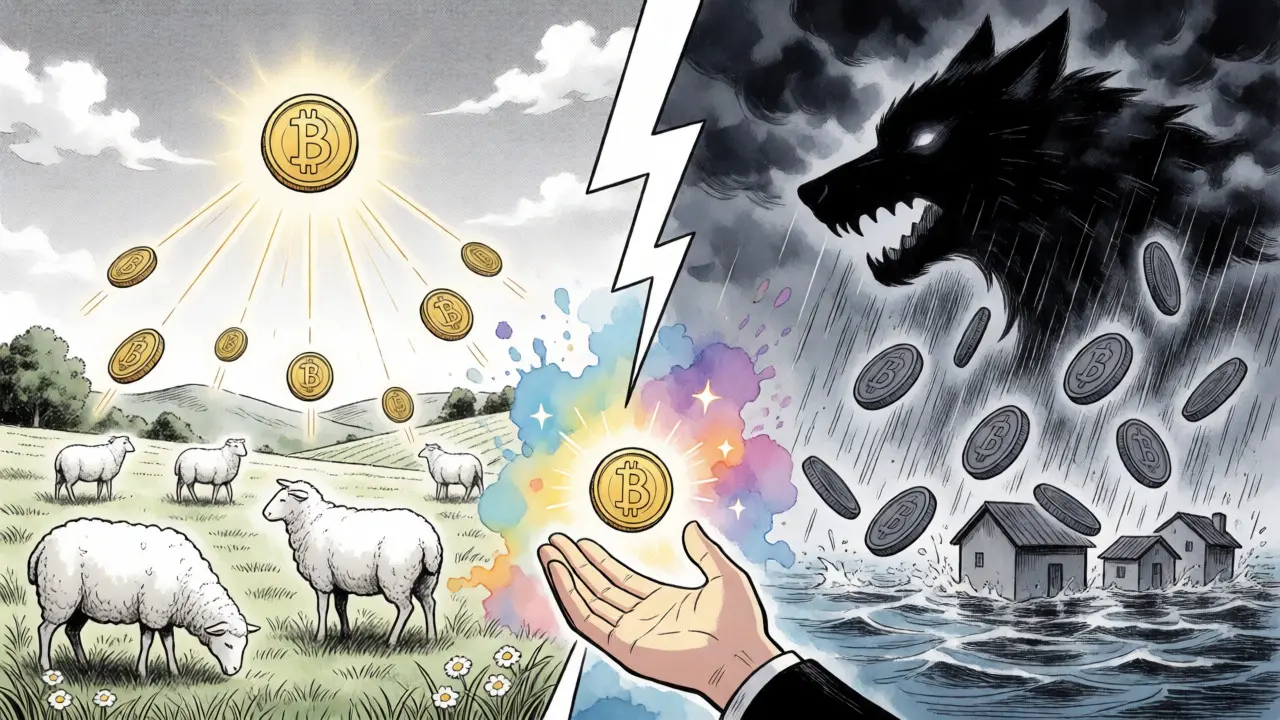
Is WOOL a good investment? That depends on your risk tolerance. Here’s a balanced look at the advantages and disadvantages.
| Pros | Cons |
|---|---|
| Capped Supply (Deflationary potential) | High Gas Fees on Ethereum |
| Unique Game Theory Mechanics | Niche Audience (Crypto-natives only) |
| Strong Community Engagement | Low Liquidity Compared to Major Tokens |
| Transparent On-Chain Data | Complex Learning Curve for Beginners |
The biggest pro is the innovation. Wolf Game proved that you could build a sustainable economy without endless inflation. The cons are real, though. If you’re new to crypto, the combination of NFTs, staking, gas fees, and tokenomics might feel overwhelming. Plus, because it’s on Ethereum, small transactions eat into profits quickly.
Who Should Buy WOOL?
WOOL isn’t for everyone. It’s best suited for experienced DeFi users who understand smart contracts and enjoy strategic gameplay. If you’re looking for a passive income stream where you just hold and forget, this might frustrate you. The game requires active management.
However, if you’re interested in the intersection of NFTs and DeFi, Wolf Game offers a masterclass in incentive design. Even if you don’t buy WOOL, studying its mechanics gives you insight into how future blockchain games might handle token emissions. For now, WOOL remains a speculative asset with a dedicated community that values transparency and risk over convenience.
Is WOOL a good long-term investment?
It depends on your risk appetite. WOOL has a capped supply, which is positive for long-term value, but it faces competition from newer, cheaper blockchains. Its success relies heavily on the continued relevance of Ethereum and the Wolf Game community's ability to expand beyond its current niche user base.
How do I buy WOOL tokens?
You can buy WOOL on decentralized exchanges like Uniswap. You'll need an Ethereum wallet (like MetaMask), some ETH for gas fees, and USDC or ETH to swap for WOOL. Make sure to use the correct contract address to avoid scams.
What happens if I don't claim my WOOL?
If you leave WOOL in the Barn, it accumulates. However, there is a risk of a "Wolf Attack," where a percentage of your unclaimed WOOL is taxed away by Wolf NFT holders. Claiming regularly reduces this risk but incurs higher gas fees.
Can I mine WOOL without owning an NFT?
No, you cannot mine WOOL directly without staking a Sheep NFT. However, you can buy WOOL on the open market. Owning a Sheep allows you to generate new WOOL through staking, which is generally more cost-effective than buying during price spikes.
Why is WOOL supply capped at 5 billion?
The cap prevents hyperinflation, a common issue in play-to-earn games where unlimited token issuance crashes the price. By limiting supply, the developers aim to create scarcity, potentially supporting the token's value as demand grows.