
You’ve probably seen your fair share of cryptocurrencies with catchy names and wild promises. But have you ever come across a coin that mixes Japanese mythology, meditation, and decentralized finance? That’s exactly what Dejitaru Tsuka is trying to do. If you are wondering what this project is all about, you are not alone. The name sounds mysterious, and the concept is definitely unique in the crowded crypto space.
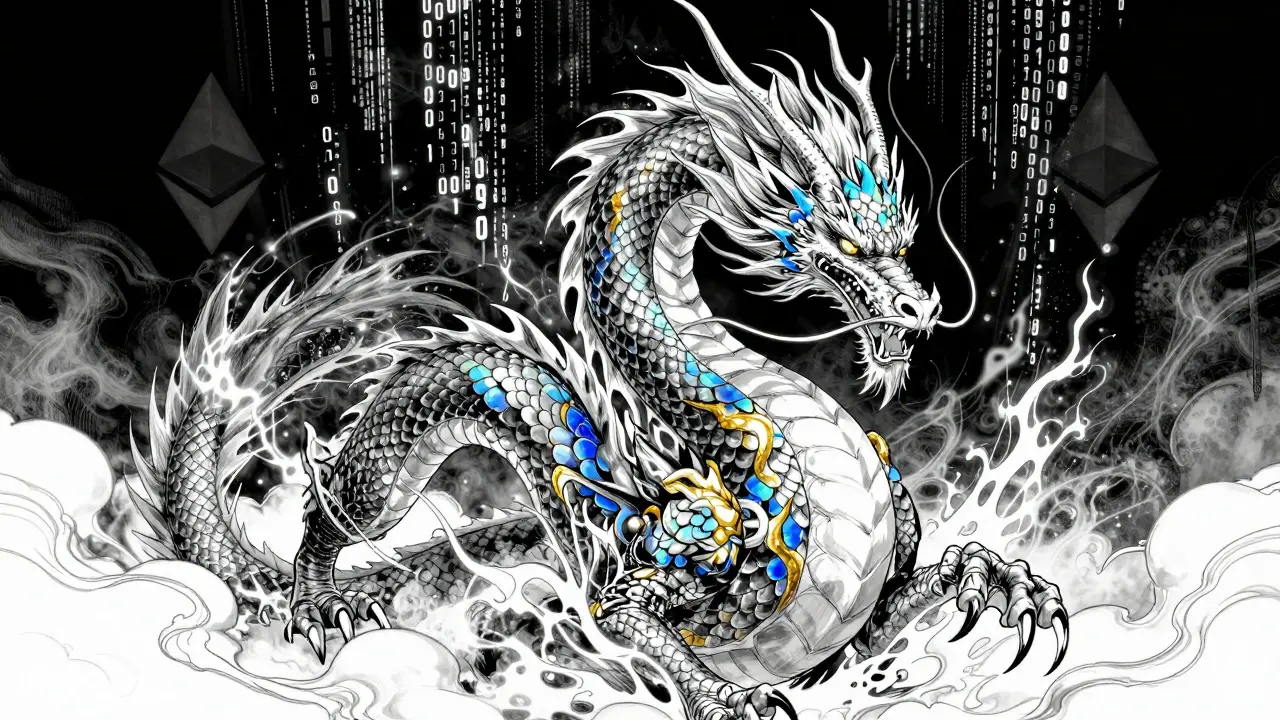
In short, Dejitaru Tsuka (often referred to by its ticker symbol, TSUKA) is an Ethereum-based memecoin launched in June 2022. It isn’t just another dog coin or a random internet joke. The project claims to be built on principles of positivity, mindfulness, and true decentralization. While it started as a simple ERC-20 token inspired by the mythical Dejitaru Tsuka Dragon, it has evolved into a community-driven ecosystem with its own decentralized application called Uruloki.
Key Takeaways
- Dejitaru Tsuka (TSUKA) is an Ethereum ERC-20 token launched in June 2022 with a fixed supply of 1 billion tokens.
- The project combines meme culture with a community focus on meditation, research, and positive sentiment, known as the "Tsuka Sangha."
- Tokenomics are simple: no taxes, no pre-sales, and no developer-controlled wallets, aiming for maximum decentralization.
- The ecosystem includes Uruloki, a decentralized trading platform designed to boost liquidity through limit orders and fee-burning mechanisms.
- Trading primarily happens on platforms like MEXC, CoinEx, and Uniswap V2, though investors should remain cautious due to the speculative nature of memecoins.
Origins and Mythology Behind the Name
To understand TSUKA, you first need to look at where the name comes from. The project is grounded in Japanese mythology. Specifically, it references the "Dejitaru Tsuka Dragon." In the lore presented by the project, this draconian entity is known for bestowing favorable circumstances upon those who possess or revere it. The website describes the dragon as something "coveted by the knowing" and feared by those who question it. This mythological angle sets the tone for the entire brand-it’s meant to feel ancient, powerful, and slightly enigmatic.
But who actually created it? That’s one of the biggest mysteries. The true originator of Dejitaru Tsuka remains officially undisclosed. This anonymity is common in the world of memecoins, but it often raises eyebrows among serious investors. However, there was a significant rumor that caught attention early on. In July 2022, the official Dejitaru Tsuka Twitter account shared a message allegedly from Ryoshi, the creator of Shiba Inu (SHIB). The message hinted at a "dragon" bringing a promising future. Whether this was a genuine endorsement or clever marketing remains unverified, but it certainly helped spark interest in the project during its infancy.
For a long time, information was scarce. The website barely explained anything beyond the dragon myth. It wasn’t until later that a Medium post clarified the mission: to address the deception and failures prevalent in the crypto market by creating a gap-filling, community-first asset. The goal wasn’t just profit; it was to foster a movement based on faith and mindfulness.
Understanding the Community: The Tsuka Sangha
Most cryptocurrency projects rely on hype, influencers, or technological breakthroughs to drive value. Dejitaru Tsuka takes a different path. Its community is formally known as the Tsuka Sangha. The word "Sangha" traditionally refers to a Buddhist monastic community. By adopting this term, the project signals a focus on collective well-being rather than individual greed.
The Tsuka Sangha is built on three pillars: positivity, meditation, and research. Members are encouraged to engage in contemplative practices and study philosophical ideas alongside their investment activities. This is unusual. You won’t find many crypto communities posting daily affirmations or discussing spiritual growth in their Discord channels. For some, this adds a layer of depth and loyalty that typical memecoins lack. For others, it might seem like a gimmick. Either way, it distinguishes TSUKA from the noise of standard meme coins.
This community-centric approach ties directly into the project’s structure. There are no centralized leaders making big decisions behind closed doors. Instead, the developers communicate through puzzles and clues posted on Etherscan, inviting the community to solve them and build upon the ideas. This permissionless model means anyone can integrate TSUKA into new protocols or businesses if they see value in it.

Tokenomics: Simple and Transparent
If you are tired of complex charts and hidden fees, you might appreciate how Dejitaru Tsuka handles its tokenomics. The design is deliberately uncomplicated. Here are the key facts:
- Total Supply: 1 billion TSUKA tokens.
- Circulating Supply: All 1 billion tokens are currently in circulation.
- Taxes: Zero. There are no buy or sell taxes.
- Pre-sale: None. No insiders got cheap tokens before the public.
- Developer Wallets: No controlled developer wallets exist to dump tokens on the market.
This setup is rare in the current market. Many new tokens reserve large percentages for teams, advisors, or marketing funds, which can lead to price manipulation when those tokens unlock. With TSUKA, the largest holder only controls about 4% of the total supply. This distribution aims to prevent any single entity from having too much power over the price.
Because the supply is fixed and fully circulating, the token acts somewhat like a store of value within its niche. Unlike inflationary tokens that mint new coins constantly, TSUKA’s scarcity is baked in from day one. The project emphasizes that this finite supply reinforces its core structure and supports long-term stability relative to other volatile assets.
Technology and Utility: Enter Uruloki
A memecoin without utility usually relies entirely on hype. Dejitaru Tsuka tried to solve this by building actual tools. The centerpiece of this effort is Uruloki, a community-built decentralized application (dApp).
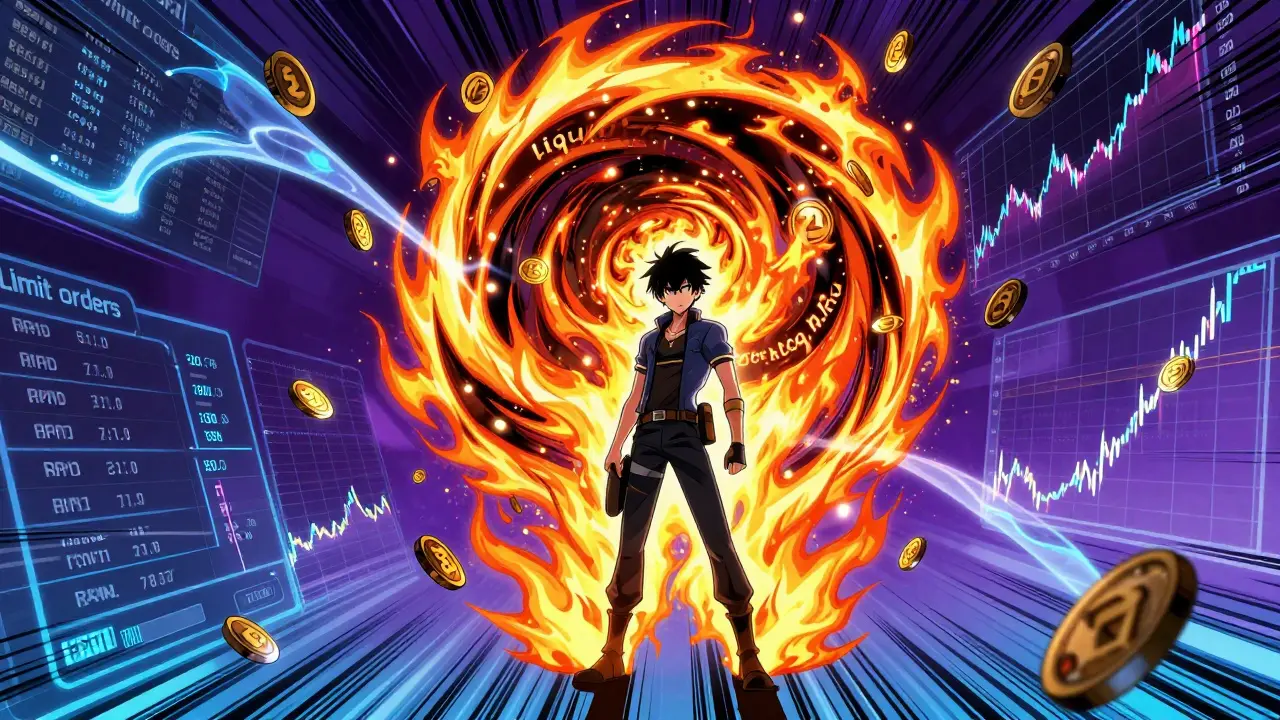
Uruloki is designed to improve how people trade on decentralized exchanges (DEXs). Traditional DEXs often lack features that experienced traders expect, such as limit orders. Uruloki introduces these features along with Active Liquidity Provision and new trading strategies. The goal is to make trading more efficient and user-friendly while keeping everything transparent.
Here is how it works to benefit TSUKA holders:
- Liquidity Black Hole: Uruloki’s pool dynamics are designed to attract and retain liquidity. The idea is to make TSUKA a destination for capital, reducing volatility.
- Fee Burning: Fees collected from using Uruloki are used to buy back TSUKA tokens from the open market.
- Supply Reduction: These bought-back tokens are then removed from circulation (burned) or added to liquidity pools, further increasing scarcity.
This creates a feedback loop. As more people use Uruloki, more fees are generated, more TSUKA is burned, and theoretically, the value of remaining tokens increases. It attempts to bridge the gap between centralized exchanges (which offer advanced tools) and decentralized exchanges (which prioritize security and autonomy).
Security and Accessibility
Security is always a concern in crypto, especially for projects that start as memes. Dejitaru Tsuka claims to take several steps to protect users. These include encouraging two-factor authentication (2FA), storing funds in cold wallets offline, and using strong encryption for sensitive data. While these are good practices, remember that as an ERC-20 token, your personal security largely depends on how you manage your own wallet (like MetaMask or Ledger).
The project also highlights partnerships with major financial entities like Visa and Mastercard to offer more payment choices. Additionally, there have been statements about Tier 1 exchanges planning to list the token. While listings on major exchanges can boost visibility and liquidity, investors should verify these claims independently, as announcements don’t always materialize quickly.
For beginners, the project provides educational materials and tutorials. This helps lower the barrier to entry for those who might be intimidated by the technical side of blockchain technology. The aim is to make crypto trading simple and safe for everyone, not just experts.
How to Trade Dejitaru Tsuka (TSUKA)
If you decide you want to invest in TSUKA, you need to know where and how to trade it. Since it is an Ethereum token, you can hold it in any standard ETH-compatible wallet. However, buying and selling require access to specific exchanges.
The most popular exchange for trading TSUKA is currently MEXC. On MEXC, you can engage in spot trading, which means you buy the actual tokens at the current market price. Once purchased, you own the TSUKA tokens and can transfer them to your private wallet. Spot trading is generally considered safer for beginners because it doesn’t involve leverage or borrowing money.
Other platforms where you might find TSUKA include:
- CoinEx: Another centralized exchange offering TSUKA pairs.
- Uniswap V2: A decentralized exchange on Ethereum where you can swap ETH for TSUKA directly from your wallet. This method requires paying Ethereum gas fees, which can vary significantly depending on network congestion.
When trading, keep an eye on the trading volume. Low volume can make it difficult to sell large amounts without affecting the price. As of recent data, the TSUKA/USDT pair on MEXC shows moderate activity, but always check live charts before making a move.
| Platform | Type | Pros | Cons |
|---|---|---|---|
| MEXC | Centralized Exchange (CEX) | High liquidity, easy interface, low fees | Requires KYC (identity verification) |
| CoinEx | Centralized Exchange (CEX) | Global availability, user-friendly | Limited fiat options in some regions |
| Uniswap V2 | Decentralized Exchange (DEX) | No KYC, direct wallet control | High gas fees, slippage risk, complex for beginners |
Market Performance and Risks
Like all cryptocurrencies, TSUKA is highly volatile. Its ranking on trackers like CoinGecko fluctuates, often hovering in the mid-to-lower thousands range. The market capitalization and fully diluted valuation (FDV) are identical since all tokens are already in circulation. This means there is no hidden inflation waiting to hit the market, which is a positive sign for transparency.
However, being a memecoin carries inherent risks. The value is heavily influenced by community sentiment, social media trends, and broader market conditions. If the "spiritual" narrative loses appeal or if the Uruloki dApp fails to gain traction, the price could drop significantly. Always do your own research (DYOR) and never invest more than you can afford to lose.
Additionally, while the project claims to outperform the global market in certain periods, past performance is not indicative of future results. Crypto markets can turn down sharply in a matter of hours. Stay informed, follow the official channels for updates, and be wary of scams pretending to be the official team.
Is Dejitaru Tsuka (TSUKA) a safe investment?
No cryptocurrency is completely safe, and memecoins are particularly risky. TSUKA has transparent tokenomics with no taxes and a fixed supply, which reduces some common pitfalls like rug pulls via developer dumps. However, its value is driven by community sentiment and speculation. Always use secure wallets, enable 2FA, and only invest what you can afford to lose.
Who created Dejitaru Tsuka?
The true identity of the creator(s) remains anonymous. There were rumors linking it to Ryoshi, the creator of Shiba Inu, but this has never been officially confirmed. The project operates as a decentralized community effort now.
What is the total supply of TSUKA?
The total and maximum supply of Dejitaru Tsuka is 1 billion tokens. All of these tokens are currently in circulation, meaning there are no more tokens to be minted or released from vesting schedules.
What is Uruloki?
Uruloki is a decentralized application (dApp) built for the TSUKA ecosystem. It functions as a trading platform that offers features like limit orders and active liquidity provision. Fees from Uruloki are used to buy back and burn TSUKA tokens, aiming to increase scarcity and value.
Where can I buy TSUKA?
You can trade TSUKA on centralized exchanges like MEXC and CoinEx, or on decentralized exchanges like Uniswap V2. MEXC is currently the most popular venue for spot trading TSUKA against USDT.
Does TSUKA have transaction taxes?
No. Dejitaru Tsuka was designed as a tax-free token. There are no buy or sell fees imposed by the smart contract itself. You will still pay standard network gas fees on Ethereum when transferring tokens.
What is the Tsuka Sangha?
The Tsuka Sangha is the name of the TSUKA community. It focuses on principles of positivity, meditation, and research, distinguishing the project from typical hype-driven crypto communities.