
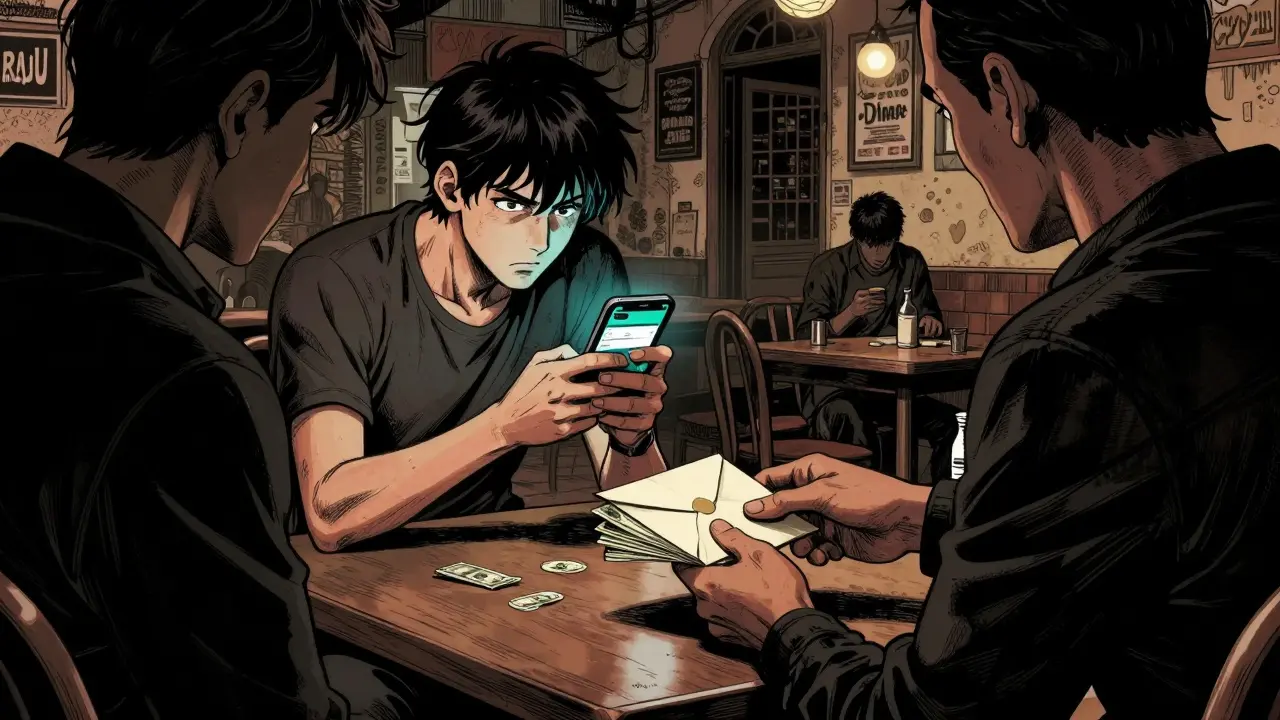
Imagine trying to buy something as common as a coffee, but the cashier hands you a receipt that could land you in jail. That is the reality for anyone engaging in underground crypto trading in Tunisia is a high-risk, shadow economy activity driven by strict government prohibitions on cryptocurrency ownership and exchange. Since May 2018, the Central Bank of Tunisia (BCT) has maintained a comprehensive ban on all cryptocurrency transactions. This isn't just a regulatory gray area; it is a complete prohibition. Yet, despite severe legal risks including imprisonment and asset seizure, a sophisticated black market thrives, fueled by tech-savvy citizens desperate for financial autonomy or better investment opportunities.
The Roots of the Ban: Why Tunisia Said No
To understand why the underground market is so active, you have to look at why it was banned in the first place. The Central Bank of Tunisia implemented the ban primarily to protect the national currency, the Tunisian Dinar (TND), from volatility. They also cite compliance with Islamic finance principles, which generally prohibit speculative instruments like cryptocurrencies due to their lack of intrinsic value and high risk. Additionally, existing banking laws were interpreted to forbid any transaction not authorized by the central bank, effectively criminalizing private crypto exchanges.
This stance creates a stark contradiction. While citizens are punished for holding Bitcoin, state entities like Poste Tunisienne is the national postal service of Tunisia exploring blockchain technology for secure payments and administrative efficiency are actively researching blockchain applications. The government explores Central Bank Digital Currency (CBDC) research while simultaneously arresting individuals for using decentralized networks. This double standard fuels resentment among the tech community and drives more people into the shadows.
How the Underground Market Operates
If you cannot use a licensed exchange-because none exist in Tunisia-how do traders actually buy and sell? The answer lies in Peer-to-Peer (P2P) platforms. These decentralized marketplaces connect buyers and sellers directly, bypassing traditional banking intermediaries. As of mid-2025, Binance P2P is the dominant peer-to-peer platform used by Tunisian crypto traders to exchange digital assets for fiat currency without direct bank involvement and LocalBitcoins serve as the primary channels for these transactions.
Traders typically use USDT (Tether), Bitcoin, or Ethereum because of their liquidity and widespread acceptance. The process usually involves:
- Finding a seller who accepts Tunisian Dinars via cash deposit or mobile transfer.
- Negotiating a rate, which often includes a premium for the risk involved.
- Completing the fiat transfer through unofficial channels.
- Receiving the crypto in a personal wallet.
However, this simplicity masks significant operational challenges. Tunisian banks automatically block withdrawals related to crypto activities. If a trader tries to move large sums of TND to facilitate a trade, their account may be frozen instantly. To avoid this, many users resort to "cash workarounds," such as meeting in person for cash exchanges or using informal hawala-style networks to move money discreetly.
Digital Circumvention: VPNs and Global Exchanges
The internet itself is a battlefield. The Tunisian government monitors online activity and blocks access to known crypto-related websites. To get around this, almost every underground trader relies on Virtual Private Networks (VPNs). By routing their traffic through servers in other countries, they can access global exchanges that are otherwise unreachable.
Popular international platforms used by Tunisians include KuCoin is a global cryptocurrency exchange offering low fees and advanced trading tools frequently accessed by Tunisian users via VPN, OKX, MEXC, Gate.io, and Nexo. These platforms offer features like margin trading, staking, and access to thousands of altcoins. However, using them carries inherent risks. If your IP address leaks or if the exchange shares data with authorities, you could face legal scrutiny. Furthermore, these platforms often require Know Your Customer (KYC) verification, which means providing official ID documents-a dangerous step when owning those assets is illegal.
Legal Risks: From Fines to Prison
You might think that because everyone does it, it’s safe. That is a dangerous assumption. The legal framework in Tunisia categorizes cryptocurrency as completely illegal for public use. This means any trading activity is potentially subject to criminal prosecution. Enforcement mechanisms are aggressive. Banks monitor transactions closely, flagging anything suspicious. Once flagged, accounts are frozen, and the holder may face investigation.
A notable case occurred in 2021 when a teenager was jailed for operating an unauthorized crypto exchange. This incident sparked cabinet-level discussions about decriminalization, highlighting the tension between enforcement and practicality. Currently, penalties can include heavy fines, confiscation of assets, and imprisonment. The Tunisian Financial Analysis Committee (CTAF) oversees anti-money laundering efforts, requiring companies to report suspicious transactions within 10 days. For individuals, this means living under constant threat of discovery.
The Economic Impact: Brain Drain and Innovation Loss
The ban doesn’t just hurt individual traders; it damages the broader economy. Tunisia has a vibrant tech scene, but the crypto restrictions force talented entrepreneurs and developers to leave. Many migrate to countries like Canada, Switzerland, or Germany, where crypto is legal and protected. This "brain drain" deprives Tunisia of high-tech contributions, innovation, and potential tax revenue.
Those who stay often pivot to non-crypto blockchain applications, such as supply chain management or secure voting systems, to remain compliant. However, the loss of talent in DeFi (Decentralized Finance) and NFT (Non-Fungible Token) development is significant. Local tech firms continue to explore these areas underground, but they operate without legal protection or institutional support, limiting their growth potential.

Future Outlook: Is Change Coming?
Despite the harsh current reality, there are signs of shifting winds. Parliamentary committees are currently considering a draft bill to decriminalize cryptocurrency possession and create a licensing regime. This would mark a massive shift from total prohibition to regulated oversight. The Central Bank of Tunisia has also shown cautious progress by advancing CBDC research and considering fintech licenses.
However, timelines remain uncertain. Until legislation passes, enforcement continues. Traders must weigh the potential benefits against the very real legal dangers. The growing global adoption of cryptocurrencies puts pressure on policymakers, suggesting that eventual adaptation is likely. But until then, the underground market remains a high-stakes game.
| Method | Risk Level | Anonymity | Accessibility |
|---|---|---|---|
| Binance P2P | High | Medium | High (with VPN) |
| Cash-in-Person | Very High | High | Low (requires network) |
| Global Exchanges (KuCoin, etc.) | High | Low (KYC required) | Medium (VPN needed) |
| Local Bitcoins | High | Medium | Medium |
Safety Tips for Those Who Proceed
If you decide to engage in underground trading despite the risks, prioritize safety above all else. First, never link your primary bank account to crypto activities. Use separate, small accounts if necessary, and be prepared for them to be frozen. Second, always use a reputable VPN with strong encryption and no-log policies. Third, prefer cash-based P2P trades over bank transfers to reduce digital footprints. Finally, keep records minimal. Do not store sensitive documents digitally unless encrypted. Remember, there is no customer support or legal recourse if you get scammed. You are on your own.
Is it legal to own cryptocurrency in Tunisia?
No. Since May 2018, the Central Bank of Tunisia has banned all cryptocurrency transactions. Owning, trading, or exchanging crypto for fiat currency is illegal and can result in fines, asset seizure, or imprisonment.
Can I use Binance in Tunisia?
Technically, yes, but illegally. Most Tunisians use Binance P2P via a VPN to bypass government blocks. However, linking your Tunisian bank account to Binance will likely result in account freezing and legal issues.
What happens if my bank detects a crypto transaction?
Your bank will likely freeze your account immediately. They are required to report suspicious activities to the Tunisian Financial Analysis Committee (CTAF). This can lead to investigations, fines, or criminal charges depending on the amount and frequency of transactions.
Are there any plans to legalize crypto in Tunisia?
Parliamentary committees are discussing a draft bill to decriminalize possession and create a licensing regime. However, as of 2026, no law has passed. The timeline remains uncertain, and current bans are still enforced strictly.
Why does the government ban crypto if Poste Tunisienne uses blockchain?
The government distinguishes between centralized blockchain technology for administrative efficiency and decentralized cryptocurrencies that threaten monetary sovereignty. They want control over financial infrastructure while preventing unregulated speculation and capital flight.
What is the safest way to trade crypto underground?
There is no truly safe way due to legal risks. However, using P2P platforms like Binance P2P with cash-only settlements and a strong VPN reduces digital footprints. Avoid linking primary bank accounts and keep transaction volumes low to minimize attention.