
When a smart contract needs to know the price of Bitcoin, the outcome of a football game, or the temperature in a warehouse, it doesn’t look it up itself—it asks an oracle, a bridge that connects blockchain networks to outside data sources. Also known as data feed, it’s the lifeline that lets DeFi loans, insurance policies, and prediction markets work with real-world information. But if that bridge is broken, hacked, or fed fake data, the whole system collapses. That’s why oracle security isn’t just a technical detail—it’s the difference between a smart contract that works and one that loses millions.
Oracles come in different shapes. Some pull prices from exchanges like Coinbase or Binance. Others use weather sensors or supply chain scanners. The problem? Many of these sources are centralized. If one exchange gets hacked or reports a glitch, every contract trusting it gets poisoned. Projects like Chainlink and Band Protocol solved this by using decentralized oracles, networks of independent nodes that cross-check data before feeding it to blockchains. They don’t rely on one source—they average dozens. That’s why Chainlink’s price feeds have handled over $1 trillion in transactions without a single major failure. But even decentralized oracles can fail if the data sources themselves are unreliable. A fake temperature sensor in a warehouse? A manipulated sports result? That’s where data integrity, the guarantee that the information fed into a blockchain is accurate, untampered, and verifiable. becomes critical. Without it, you’re just automating lies.
Smart contracts aren’t magic. They’re code. And code only does what it’s told. If you tell it to release funds when Bitcoin hits $50,000, and the oracle says it did—when it didn’t—you’ve just paid out a false claim. That’s why top projects now combine multiple oracles, use time-weighted averages, add reputation systems for data providers, and even lock funds in escrow until disputes are resolved. The most secure systems treat oracles like critical infrastructure—not a plug-in, but the foundation.
What you’ll find below are real cases where oracle security failed, how exchanges and DeFi platforms are patching the holes, and which projects are building systems that can’t be tricked. From crypto trading bots that rely on live prices to insurance contracts that pay out after natural disasters, the safety of your assets depends on how well these data bridges are built. Let’s look at what’s working—and what’s not.
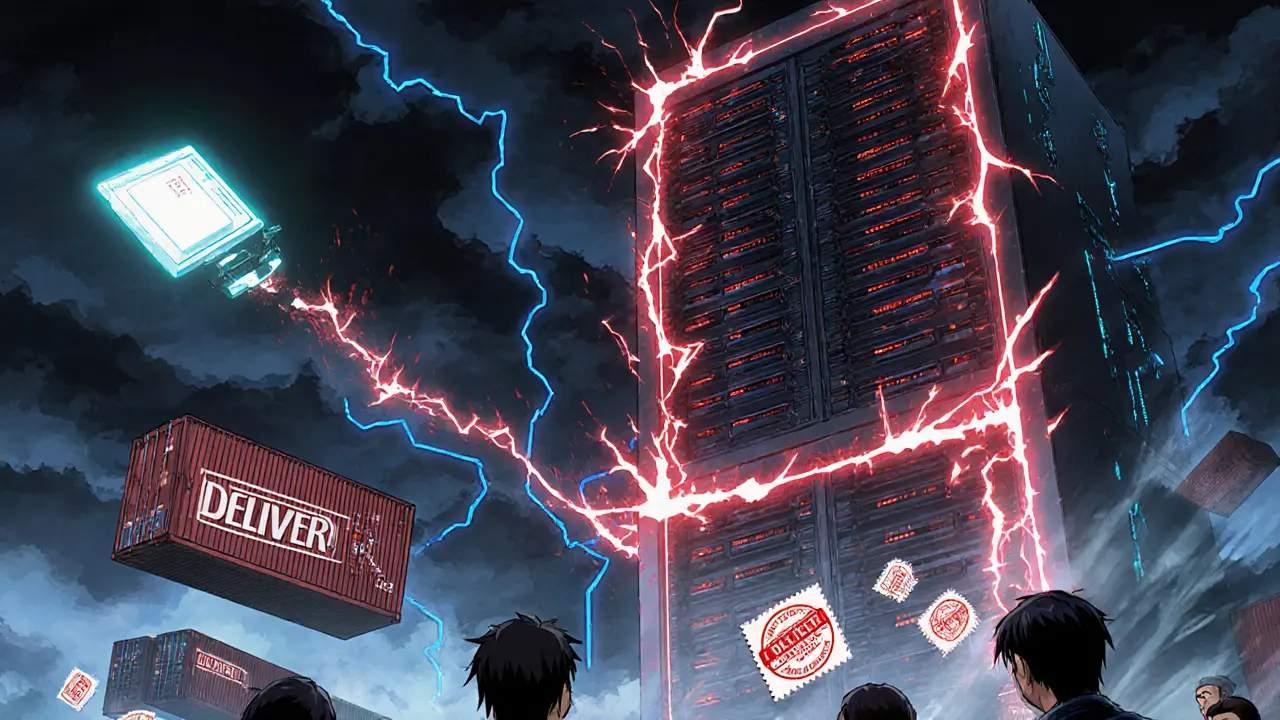
Oracle's enterprise software vulnerabilities, like CVE-2025-61882, allow attackers to manipulate data fed into blockchain systems - leading to fraud, financial loss, and broken smart contracts. Here's how it works and how to protect yourself.
Learn More