
When you hear about Chainlink network, a decentralized oracle network that brings real-world data onto blockchains. Also known as Chainlink, it solves a simple but deadly problem: smart contracts can’t see outside their own blockchain. Without data from the real world—like stock prices, weather, or sports scores—they’re stuck. Chainlink fixes that by securely connecting blockchains to live data feeds.
Think of it like a trusted courier. Smart contracts are like automated vending machines—they’ll only dispense something if the right condition is met. But how does the machine know if the price of ETH hit $3,000? Or if a football match ended 2-1? That’s where oracles, third-party data providers that feed external information into blockchains come in. Chainlink doesn’t rely on one source. It pulls data from dozens of independent nodes, checks for consistency, and only then delivers the answer. This makes it far harder to manipulate than a single API. That’s why major DeFi platforms like Aave, Synthetix, and Compound trust Chainlink to handle billions in assets.
It’s not just about prices. Chainlink also powers insurance payouts based on flight delays, betting outcomes from live sports, and even supply chain events tracked by IoT sensors. The LINK token, the native cryptocurrency used to pay node operators for delivering data keeps the whole system running. People stake LINK, run nodes, and earn rewards for accurate, timely data. This creates a real economic incentive to be honest—no one wants to get slashed for feeding bad info.
And it’s not just Ethereum. Chainlink works across Solana, Polygon, BNB Chain, and more. That’s why you’ll see it mentioned in posts about DeFi liquidations, crypto derivatives, and even blockchain-based supply chains. It’s the invisible backbone that makes automated contracts actually useful. Without it, most DeFi apps would be little more than fancy code with no way to react to real events.
What you’ll find here aren’t just theory pieces. These are real-world breakdowns—how Chainlink handles market manipulation, why some oracles fail, how its data feeds impact trading bots, and what happens when a node goes offline. You’ll see how it ties into crypto exchanges, token launches, and even regulatory debates around data integrity. This isn’t hype. It’s the plumbing behind the apps you use.
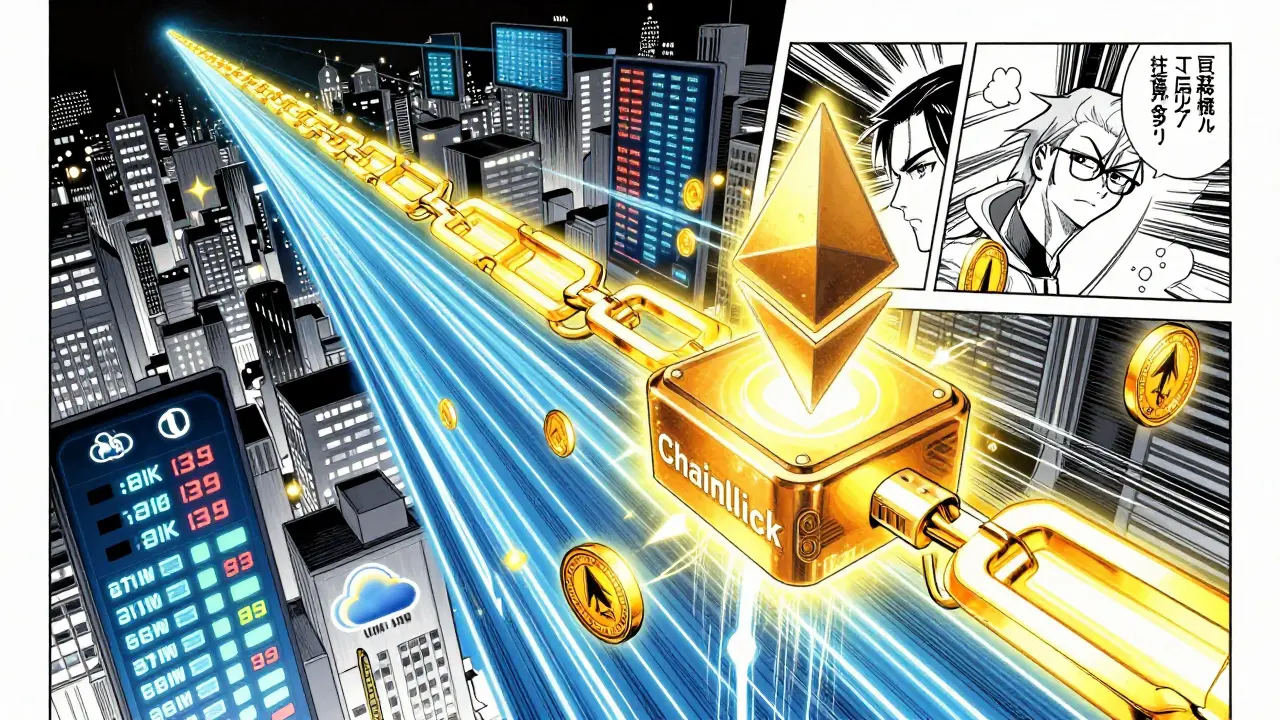
Chainlink is the leading decentralized oracle network that connects smart contracts to real-world data like prices, weather, and APIs. It powers DeFi, enterprise apps, and NFTs by ensuring secure, tamper-proof data feeds.
Learn More