
When a blockchain oracle, a bridge that feeds real-world data like prices, weather, or sports results into smart contracts fails, the whole system can collapse. Oracles are the weakest link in blockchain automation—because they’re the only part that doesn’t run on the chain itself. If the data they bring in is wrong, manipulated, or delayed, smart contracts execute based on lies. That’s not theory. It’s happened. In 2022, a single compromised price feed wiped out over $100 million in DeFi positions overnight. No hack. No exploit. Just bad data.
Most oracles rely on third-party services to pull data from APIs, websites, or centralized exchanges. That’s a problem. If a project uses a single source for its price feed—say, one exchange’s BTC/USD rate—that’s not decentralization, it’s a single point of failure. Even if the oracle uses multiple sources, if they’re all pulled from the same cloud provider or same set of data vendors, you’re still trusting the same group of companies. smart contract vulnerabilities, flaws in code that let attackers exploit logic errors or data inputs often start at the oracle layer. A fake price trigger can drain a lending protocol. A manipulated weather feed can trigger insurance payouts incorrectly. And data feeds, the streams of real-time information that oracles rely on are rarely audited, rarely transparent, and often unverified.
Some projects claim to use "decentralized oracles," but that doesn’t mean they’re safe. Many just rotate between a few known providers. True decentralization requires independent nodes, economic incentives for honesty, and cryptographic proof that data hasn’t been tampered with. Most don’t deliver that. You’ll see this in projects that suddenly halt withdrawals after a price spike, or tokens that crash after a single news article. The root cause? An oracle trusted a blog post over a verified exchange. The blockchain oracle risks, the potential for data manipulation, centralization, or feed failure in blockchain systems aren’t theoretical—they’re the reason so many DeFi projects fail or get drained. You don’t need to be a coder to spot them. Look for projects that don’t explain where their data comes from. Avoid anything that says "reliable price feed" without naming the source. If they’re using Chainlink, check if they’re using the mainnet feed or a custom one. And never assume that because a contract is on Ethereum, it’s safe.
What you’ll find below are real cases where oracles broke—some because of bad design, others because of outright fraud. You’ll see how NFT supply chains got fooled by fake data, how exchanges used manipulated feeds to trigger liquidations, and why some "decentralized" platforms are just centralized with extra steps. These aren’t hypotheticals. These are the stories behind the losses. And they’re the key to protecting your investments.
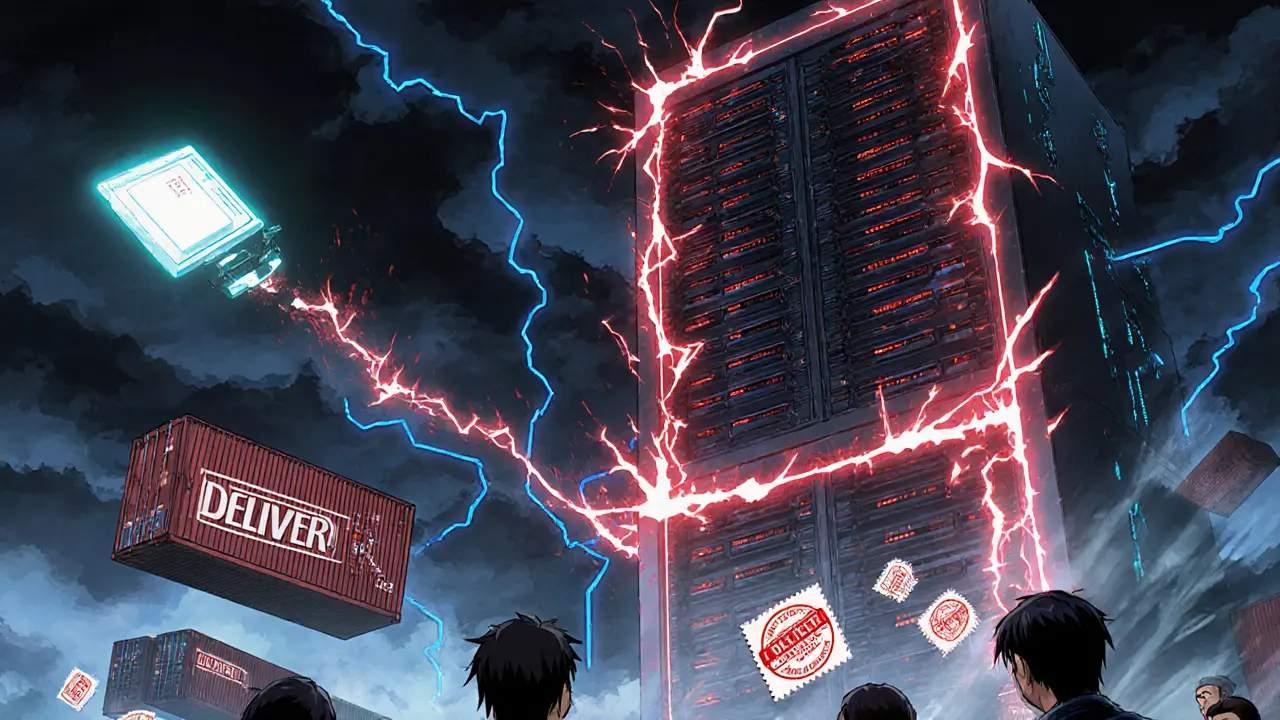
Oracle's enterprise software vulnerabilities, like CVE-2025-61882, allow attackers to manipulate data fed into blockchain systems - leading to fraud, financial loss, and broken smart contracts. Here's how it works and how to protect yourself.
Learn More