

You’ve seen the hype. Maybe you saw it on Twitter, Telegram, or a shady Discord server. Someone is promising free tokens from a project called Pacific DeFi via an Initial DEX Offering (IDO) and airdrop campaign. The promises are usually big: massive returns, early access, and easy money for doing simple tasks. But here is the hard truth that most promoters won’t tell you: there is zero verified information about this project in any reputable crypto database as of mid-2026.
If you are looking for details on how to claim these tokens, you need to stop right now. Not because I want to keep secrets from you, but because your wallet might be at risk. In the world of decentralized finance, silence from major tracking platforms is louder than any marketing tweet. This guide will walk you through why this project raises serious red flags, how to verify if an IDO is legitimate, and what you should do instead to stay safe while hunting for real opportunities.
The Silence of the Major Trackers
In the crypto industry, visibility is everything. Legitimate projects fight tooth and nail to get listed on aggregators like Airdrops.io, ICOAnnouncement.io, and CoinPedia Markets. These platforms don't just list anything; they have verification processes. They check for active development, community engagement, and basic security standards.
When we look at the data for 2025 and early 2026, the picture is clear. Platforms like ZebPay and CryptoNinjas track hundreds of campaigns. They highlight major players like Story Protocol, Solayer Labs, and Plume Network. They document presales with millions of dollars raised, like Nexchain’s Stage 27 run. Yet, "Pacific DeFi" is nowhere to be found. Not in their top lists. Not in their upcoming sections. Not even in their spam filters.
This absence isn't an oversight. It’s a warning sign. If a project claims to be launching a major IDO and airdrop, it needs liquidity providers, auditors, and a launchpad partner. Without being listed on these standard industry channels, the project has no public roadmap, no verifiable tokenomics, and no accountability. You are essentially trusting strangers with your private keys based on nothing but a website that could disappear tomorrow.
How Legitimate IDOs Actually Work
To understand why Pacific DeFi looks suspicious, you need to know how a real Initial DEX Offering functions. An IDO is not just handing out free coins. It is a structured fundraising event that happens on a decentralized exchange or a specialized launchpad.
Here is the standard checklist for a legitimate IDO:
- Launchpad Partnership: Projects use established platforms like Polkastarter, DAO Maker, or BSCPad. These platforms vet projects before listing them.
- Wallet Whitelisting: You connect your wallet (like MetaMask or Phantom) and often complete KYC (Know Your Customer) checks to prove you are a human.
- Funding Requirements: Most IDOs require you to hold specific native tokens of the launchpad or lock up funds to participate. Free "airdrops" are usually retroactive rewards for past activity, not upfront giveaways for new users.
- Smart Contract Audits: Reputable firms like CertiK or Hacken audit the code to ensure there are no backdoors allowing developers to steal funds.
- Transparent Tokenomics: A whitepaper clearly states how many tokens exist, who holds them, and when they unlock.
Does Pacific DeFi offer any of this? Based on current data, no. There is no record of them partnering with a major launchpad. There are no audit reports from recognized security firms. There is no public GitHub repository showing active code development. Without these pillars, the "project" is likely just a frontend interface designed to drain wallets.
Red Flags: How to Spot a Fake Airdrop
Scammers are getting smarter, but their tactics still follow predictable patterns. If you encounter a project like Pacific DeFi, look for these specific red flags. If you see more than two, close the tab immediately.
| Feature | Legitimate Project | Suspicious Project (e.g., Pacific DeFi) |
|---|---|---|
| Visibility | Listed on CoinGecko, CoinMarketCap, and major airdrop trackers. | Only visible via direct links from social media DMs or unverified blogs. |
| Audit Status | Public audit report from CertiK, Quantstamp, or similar. | No audit mentioned, or fake PDF with generic text. |
| Team Identity | Doxxed team members with LinkedIn profiles and history. | Anonymous team with stock photos or no info at all. |
| Website Age | Domain registered months or years ago. | Domain registered days or weeks before the "launch." |
| Pressure Tactics | Clear deadlines, but no threats. | "Claim now or lose forever," "Limited spots remaining!" |
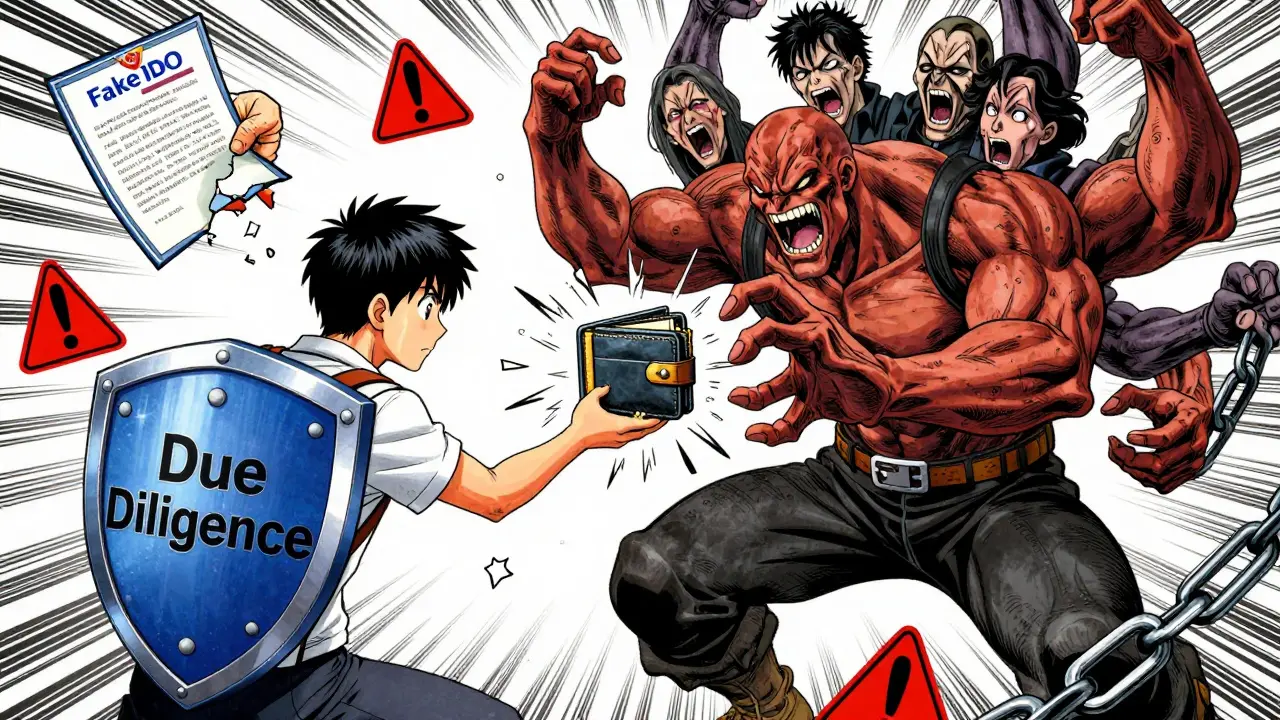
One of the biggest traps is the "approval" scam. When you visit a site claiming to give you Pacific DeFi tokens, it will ask you to "connect wallet" to claim them. Then, it asks you to "approve" a transaction. In reality, you are approving the contract to spend unlimited amounts of your USDT or ETH. Once you click confirm, the scammers drain your balance instantly. This is not a bug; it is the feature.
The Psychology of FOMO in DeFi
Why do people fall for these scams? Fear Of Missing Out (FOMO). We see others posting screenshots of huge gains. We hear stories about early investors in Uniswap or Arbitrum making millions from retroactive airdrops. That desire for life-changing money makes us lower our guard.
But remember this: legitimate airdrops reward *past* behavior. Uniswap rewarded users who had swapped tokens on their platform in the past. Arbitrum rewarded those who used their network. They did not ask new users to connect wallets to "claim" future tokens. If a project asks you to interact with a smart contract before the token even exists, you are not participating in an airdrop; you are interacting with a potential honeypot.
Real DeFi communities build over time. They have active Discords where developers answer technical questions. They have Twitter threads explaining their tech stack. Pacific DeFi lacks this depth. The conversation is one-way: "Click here, get rich." That is not a community; it is a funnel.
Safe Alternatives for Airdrop Hunters
If you are eager to find legitimate opportunities, shift your focus to projects that are transparent and building real utility. Here are safer ways to engage with the DeFi space in 2026:
- Use Established Layer 2 Networks: Interact with networks like zkSync, Starknet, or Scroll. Use bridges, swap tokens, and provide liquidity. These ecosystems have historically rewarded early adopters through retroactive drops.
- Participate in Verified Launchpads: Join platforms like DAO Maker or Polkastarter. Complete their KYC processes. When they list new projects, you can participate in IDOs safely, knowing the project has been vetted.
- Track Aggregators: Follow sites like Airdrops.io or DefiLlama. They update lists of potential opportunities based on actual on-chain data, not rumors.
- Stake Blue-Chip Assets: Stake ETH, SOL, or MATIC. While not an "airdrop," staking provides consistent yield and often grants voting power in governance, which can lead to future rewards.
These methods require work, but they protect your capital. You are building a history of on-chain activity that real projects can see and reward. You are not gambling on a ghost project.

What To Do If You Already Connected
If you already connected your wallet to a Pacific DeFi site, do not panic, but act quickly. First, check your transaction history. Did you approve any spending limits? If yes, revoke them immediately using tools like Revoke.cash or the built-in revocation features in wallets like MetaMask or Rabby.
Second, move your assets. Transfer your funds to a fresh wallet address that has never interacted with the suspicious site. This ensures that even if the old address was compromised by a malicious script, your funds are safe in a new environment. Never reuse private keys or seed phrases across different devices or risky sites.
Conclusion: Trust But Verify
The crypto space moves fast, and new projects pop up daily. But speed should never replace due diligence. Pacific DeFi fails the most basic test of legitimacy: it does not exist in the records of trusted industry sources. Until you see audit reports, launchpad partnerships, and verifiable team identities, treat any mention of this project as high-risk misinformation.
Your capital is hard-earned. Protect it by sticking to transparent, well-documented projects. The next big airdrop will come from a project building real technology, not one hiding in the shadows. Stay curious, stay skeptical, and keep your keys secure.
Is Pacific DeFi a legitimate cryptocurrency project?
Based on available data from major crypto trackers and launchpads as of 2026, there is no verified evidence that Pacific DeFi is a legitimate project. It is not listed on reputable platforms like Airdrops.io, CoinGecko, or DAO Maker, which strongly suggests it may be a scam or an unverified entity.
How can I verify if an IDO is safe?
Check for three things: 1) Is the project listed on a reputable launchpad like Polkastarter or BSCPad? 2) Is there a public smart contract audit from a firm like CertiK? 3) Can you find the team's identities and GitHub activity? If any of these are missing, proceed with extreme caution.
What is a wallet approval scam?
A wallet approval scam tricks you into signing a transaction that gives a malicious contract permission to spend your tokens. Scammers often disguise this as a "claim" button for an airdrop. Once approved, they can drain your wallet without further confirmation. Always use tools like Revoke.cash to manage approvals.
Are free crypto airdrops real?
Yes, but they are usually retroactive. Projects like Uniswap and Arbitrum rewarded users who had already used their services. Legitimate airdrops rarely ask new users to connect wallets or pay gas fees just to "claim" tokens upfront. Be wary of projects that promise free money for minimal effort.
What should I do if I connected my wallet to a suspicious site?
Immediately revoke any token approvals granted to that site using Revoke.cash. Then, transfer your funds to a new, clean wallet address. Monitor your transaction history for any unauthorized movements. Never reuse the same private key or seed phrase.