

Imagine you spend six months crafting a digital artwork. You mint it as an NFT is a non-fungible token representing unique ownership of digital assets on the blockchain. Also known as Non-Fungible Token, it was popularized in 2021 and has since reshaped digital art markets.. The first sale goes through, and you get your initial cut. But then something unexpected happens. Your piece gains traction. A collector flips it for ten times the price. Another buyer grabs it from them. And another. In the traditional art world, you’d see none of that secondary market money. That’s where the promise of NFTs comes in: perpetual royalties. But here’s the catch that keeps creators up at night-do you actually get paid when those sales happen?
The debate between optional and mandatory NFT royalties is payments made to original creators for every secondary sale of their digital assets, typically ranging between 5-10% of the sale price. isn’t just technical jargon; it’s a fight over who controls value in Web3. On one side, you have platforms like Blur arguing that traders should decide how much to tip creators. On the other, marketplaces like OpenSea are trying to build walls to force payment. This tension creates a messy landscape for anyone trying to earn a living from digital assets. Let’s break down what’s actually happening under the hood and what it means for your wallet.
How NFT Royalties Actually Work (And Why They’re Broken)
To understand the conflict, you need to know how these payments are supposed to function. Most NFTs use smart contracts coded with standards like ERC-721 is the original Ethereum token standard for unique digital assets. or the newer ERC-1155 is a multi-token standard allowing batch transfers of different token types.. For royalties specifically, developers rely on ERC-2981 is an Ethereum standard enabling royalty information to be queried directly from the smart contract.. This standard allows a marketplace to ask the contract, "Hey, what percentage does this creator want?" The contract replies, usually with a number like 5% or 6%.
But here is the critical flaw: ERC-2981 is just a suggestion box. It tells the marketplace what the fee *should* be, but it doesn’t physically stop the transaction if the marketplace ignores it. If I buy your NFT on a platform that says, "We don’t care about that suggestion," and pays zero royalties, the smart contract still records the transfer. The money moves, but the creator gets nothing unless the platform voluntarily routes that percentage to your wallet. This gap between data and enforcement is where the entire industry war is being fought.
The Case for Optional Royalties: Freedom for Traders
Platforms like Blur is a trader-focused NFT marketplace launched in 2022 that prioritizes low fees and high liquidity. championed the optional model. Their argument is simple: if I’m buying an asset to flip it quickly, why should I pay a tax to someone I didn’t negotiate with? By allowing buyers to set royalty payments to zero, Blur attracted massive trading volume. They argued that mandatory fees inflate prices and reduce liquidity, making the market less efficient for everyone.
In this view, royalties become voluntary tips. If you love the artist, you pay the 6%. If you’re just here for the quick profit, you pay 0%. Proponents say this respects the free market. They claim that forcing payments creates artificial friction. When traders can bypass fees, they trade more often. More trades mean more visibility for the collection, which theoretically drives up the floor price, benefiting the creator indirectly even if direct royalty income drops.
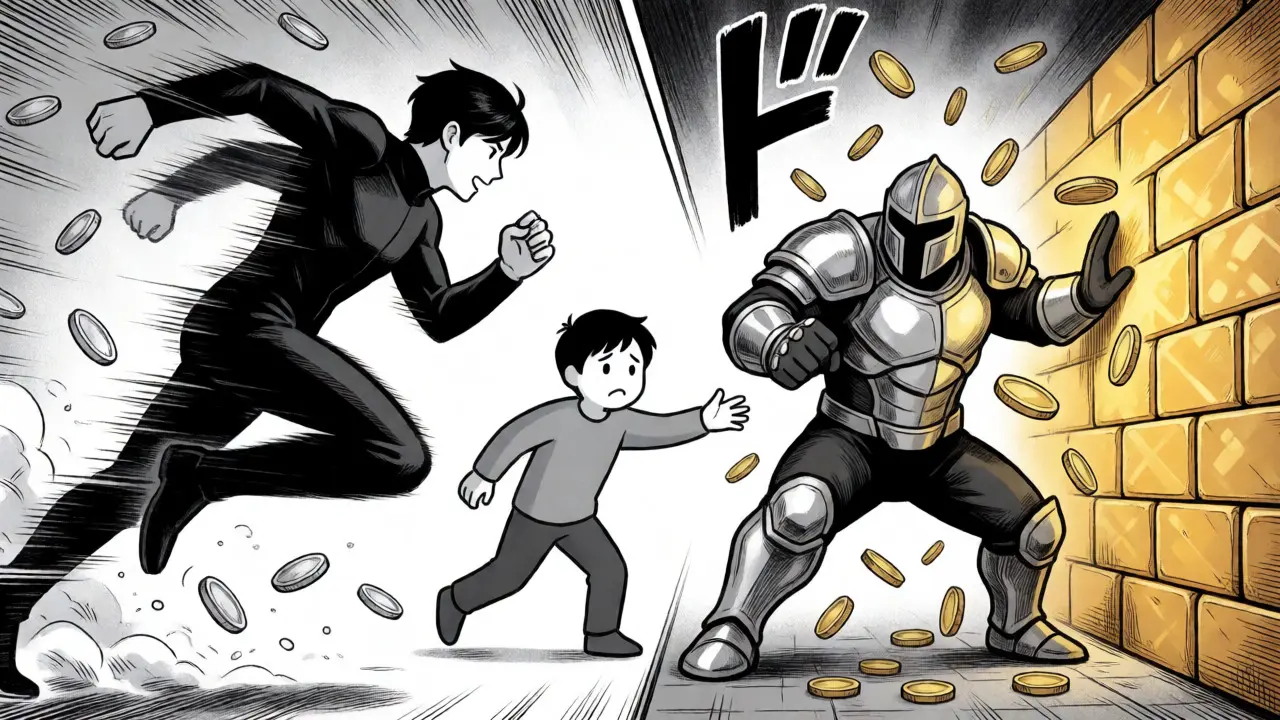
The Case for Mandatory Royalties: Protecting Creator Income
Creators hate the optional model. For many artists, secondary sales are their primary income source after the initial mint sells out. If traders ignore royalties, the artist’s revenue stream dries up completely. Enter OpenSea is the largest NFT marketplace by historical volume, historically enforcing royalty payments.. As the dominant player, OpenSea announced tools to enforce royalties on-chain. They even threatened to block collections that refused to pay from accessing certain features or listings.
Mandatory enforcement advocates argue that guaranteed royalties are the core value proposition of NFTs. Without them, digital art is no better than physical prints where the artist only gets paid once. By locking in these fees, platforms aim to create sustainable careers for artists. They believe that long-term ecosystem health depends on creators staying funded and motivated to produce new work, rather than short-term trading spikes that leave artists empty-handed.
The Technical and Legal Gray Area
Is it technically possible to force royalties? Beeple, the famous digital artist, summed it up bluntly: "There is zero way to force royalties technologically." He argues that because blockchain transactions are final, you can’t easily claw back money sent to the wrong place without complex intermediary layers. While some new protocols try to embed royalty logic deeper into the transaction layer, most current implementations remain off-chain suggestions.
Legally, things are murky too. Lawyers note that smart contracts aren’t always recognized as binding legal contracts in court. If a trader buys an NFT and refuses to pay the suggested royalty, suing them for breach of contract is difficult and expensive. There’s no central authority to fine the buyer. This lack of legal recourse makes the "mandatory" label feel misleading-it’s mandatory only within the walled garden of specific marketplaces, not across the entire blockchain.
| Feature | Optional Model (e.g., Blur) | Mandatory Model (e.g., OpenSea) |
|---|---|---|
| Royalty Payment | Voluntary; buyer decides amount | Enforced; fixed percentage deducted |
| Trading Volume | Generally higher due to lower costs | Potentially lower due to fee friction |
| Creator Revenue | Unpredictable; relies on goodwill | Consistent; guaranteed per sale |
| Market Liquidity | High; easy entry/exit for traders | Moderate; barriers to entry exist |
| Primary Audience | Day traders, flippers | Collectors, long-term holders |
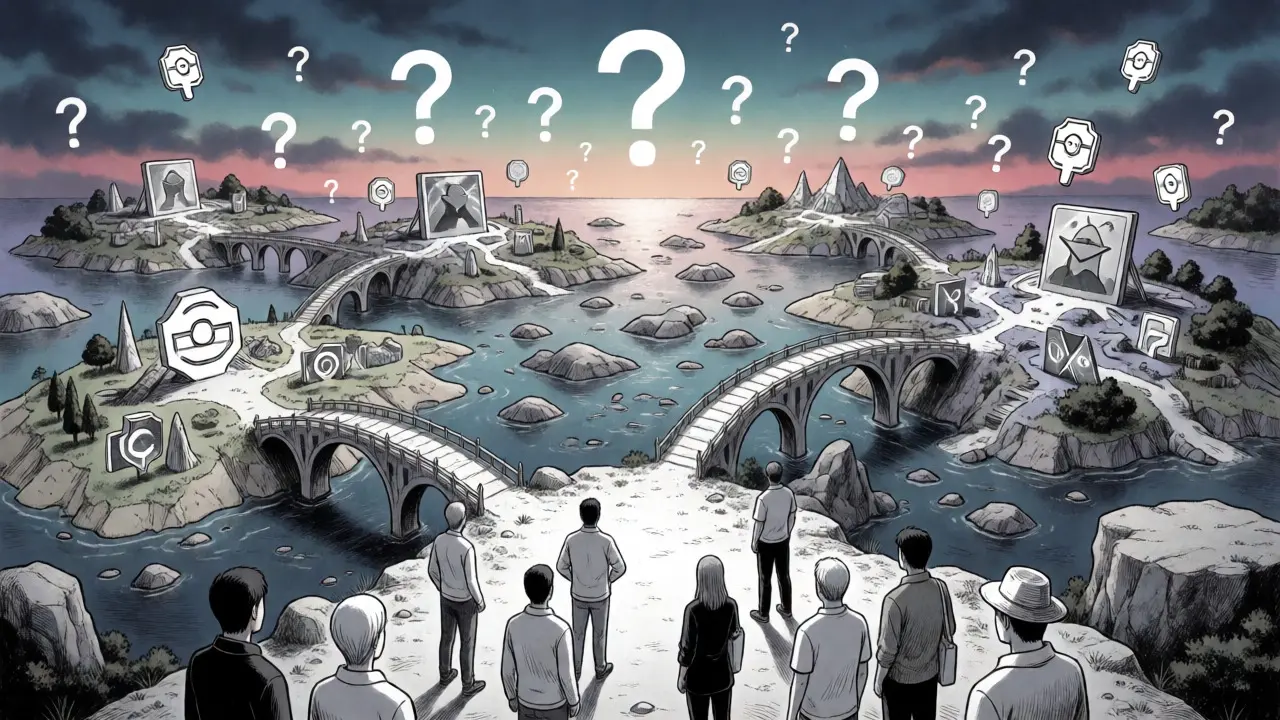
What This Means for Creators and Collectors
If you’re a creator, you’re stuck in the middle. Do you list on a high-volume exchange like Blur where traders might ignore your fee, hoping the exposure leads to more mints? Or do you restrict your sales to platforms that enforce payment, risking lower visibility? Some projects are experimenting with hybrid models, offering different tiers of access based on royalty compliance. Others are moving away from percentages entirely, opting for flat fees or subscription-based community support.
For collectors, the choice impacts your resale strategy. Buying on a platform with optional royalties means you keep more margin on flips. But you also risk supporting ecosystems where artists burn out because they aren’t getting paid. Ethical considerations aside, there’s a practical angle: if an artist quits because royalties vanished, the cultural value of their collection might stagnate. Conversely, paying full royalties might limit your ability to compete with bots and snipers who pay zero.
The Future of Digital Ownership Economics
We are currently seeing fragmentation. New marketplaces are popping up to serve specific niches-some strictly pro-creator, others hyper-efficient for traders. Regulatory bodies haven’t stepped in yet to define whether ignoring a coded royalty is fraud or just bad manners. Until that clarity arrives, the "cat-and-mouse game" continues. Creators are building communities that respect the rules, while traders exploit loopholes wherever they find them.
Ultimately, the resolution won’t come from code alone. It will come from social norms and economic incentives. If enough collectors refuse to buy from projects that allow royalty evasion, the market will correct itself. If traders continue to dominate, we might see a shift toward utility-based models where royalties matter less than access to exclusive perks. The technology exists to track ownership perfectly; the challenge is agreeing on who deserves the reward for holding that token.
Can I legally sue if a buyer doesn't pay my NFT royalty?
It is very difficult. Smart contracts are not universally recognized as legally binding documents in all jurisdictions. Unless you have a separate written agreement with the buyer, pursuing a small royalty payment through traditional courts is often cost-prohibitive compared to the amount owed.
Do all NFT marketplaces enforce royalties?
No. Major marketplaces differ significantly. OpenSea has moved toward stricter enforcement, while platforms like Blur allow users to choose whether to pay royalties, often defaulting to zero or low amounts to encourage trading volume.
What is the typical NFT royalty percentage?
The industry standard typically ranges from 5% to 10%, with 6% being a common benchmark. Creators set this percentage during the minting process via the smart contract metadata.
Why did Blur launch without mandatory royalties?
Blur targeted professional traders and flippers who prioritize speed and low costs. By removing mandatory fees, they reduced friction for high-frequency trading, attracting significant volume away from incumbent platforms.
Does the ERC-2981 standard guarantee royalty payment?
No. ERC-2981 provides a standardized way to query royalty information, but it does not automatically execute the payment. Enforcement depends entirely on the marketplace interface facilitating the transfer of funds to the creator's address.