
What NFT Ticketing Actually Does
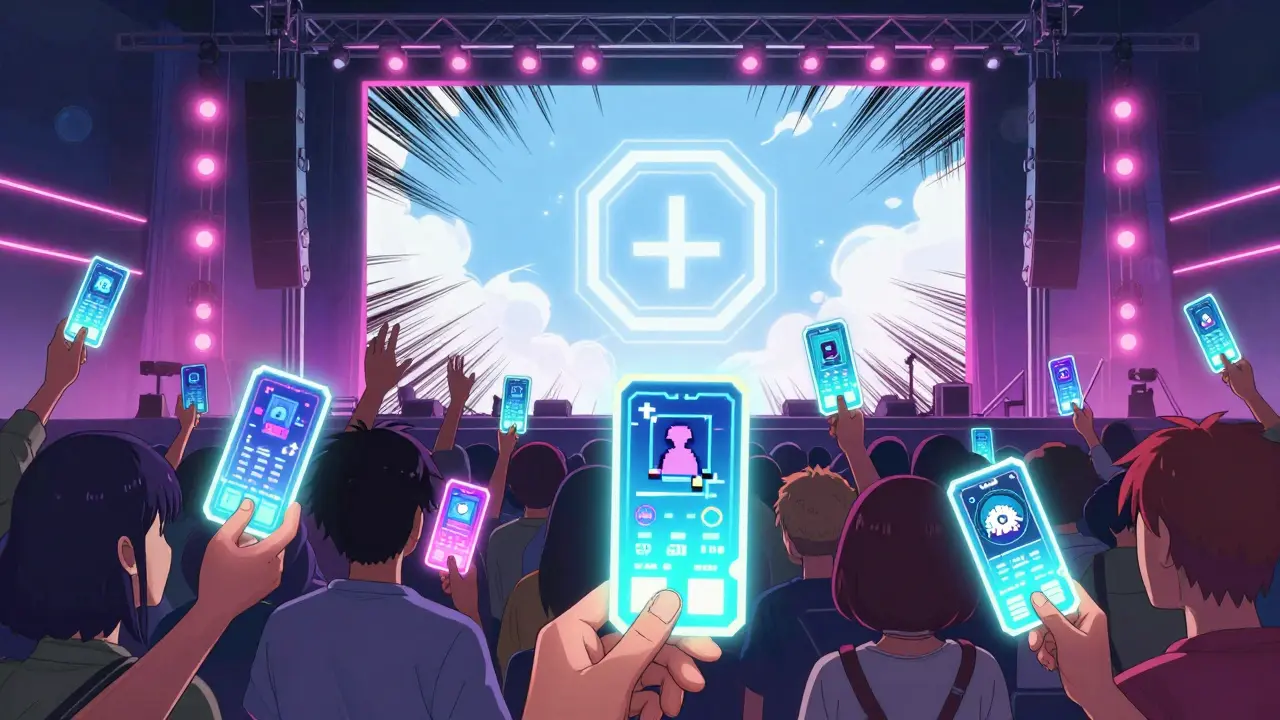
Imagine buying a ticket to a concert, and instead of getting a QR code that can be copied and sold ten times over, you get a unique digital collectible that proves you were there - and keeps giving you perks long after the music ends. That’s NFT ticketing. It’s not just a more secure way to get into a show. It turns your ticket into a living piece of digital history.
Traditional tickets are just paper or static codes. They’re easy to fake, easy to resell for ten times the price, and disappear after the event. NFT tickets are different. Each one is a unique token on a blockchain, usually Ethereum, tied to your digital wallet. No two are alike. They can’t be duplicated. And because they’re stored on a public ledger, anyone can verify they’re real - even at the gate.
The magic happens through smart contracts. These are self-executing programs that handle everything: who buys the ticket, how much it costs, what benefits come with it, and what percentage the artist gets if it’s resold. No Ticketmaster middleman. No hidden fees. Just code doing what it’s told.
How NFT Tickets Work - Step by Step
Here’s how it actually plays out when you buy an NFT ticket:
- The event organizer creates the tickets using a smart contract. This defines the event date, seat number, and any extra perks - like early entry, exclusive videos, or a digital badge you can show off later.
- The ticket data is stored on IPFS, a decentralized file system. That means it’s not controlled by one company. It’s spread across thousands of computers, so it can’t be deleted or altered.
- You pay with crypto (or sometimes fiat, through a partner platform), and the smart contract sends the NFT straight to your wallet - like MetaMask or Coinbase Wallet.
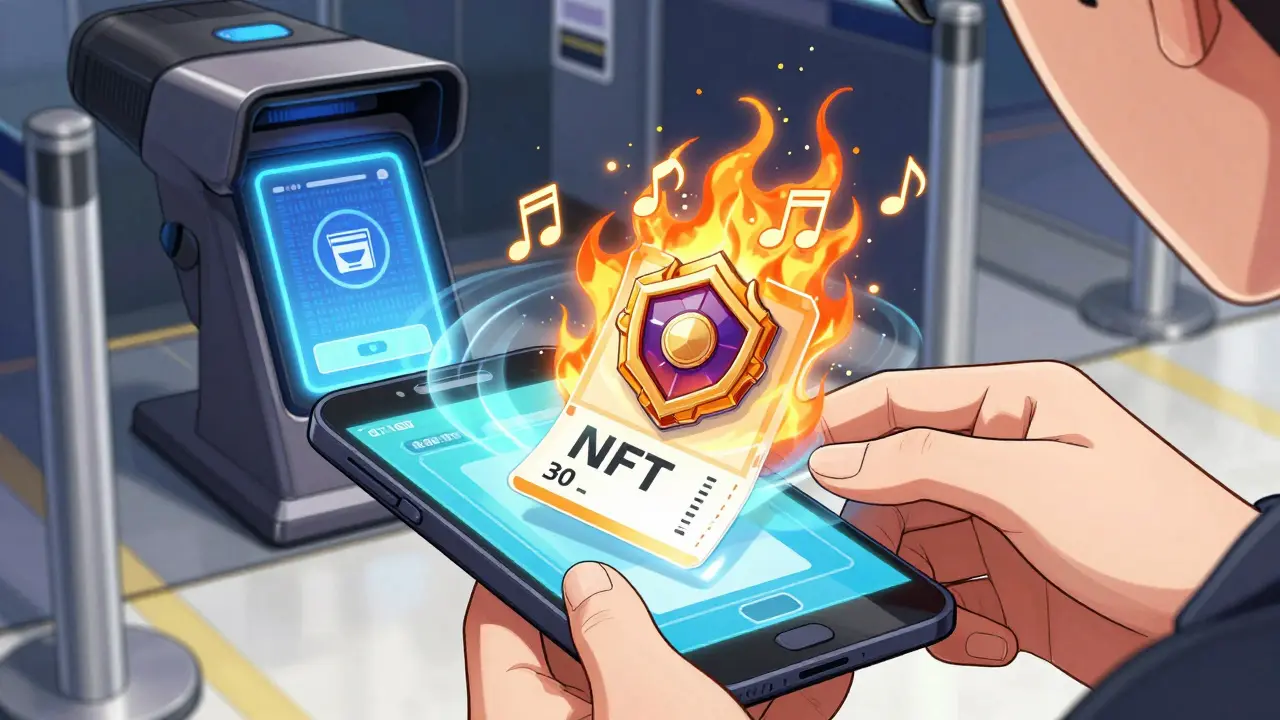
- At the venue, you open your wallet and show a QR code. But here’s the twist: unlike old-school tickets, this code changes every 30 seconds. Even if someone screenshots it, it’s useless by the time they get to the gate.
- A scanner at the entrance checks your NFT against the blockchain. If it’s valid, you’re in. No printing. No scanning paper. No glitches.
This system works best with the ERC-1155 standard on Ethereum. It’s not as expensive as minting individual NFTs for each ticket. One contract can handle hundreds of thousands of tickets - from VIP passes to general admission - all under the same roof.
Why NFT Tickets Beat Traditional Ones
Let’s compare what you get with each:
| Feature | NFT Ticketing | Traditional Ticketing |
|---|---|---|
| Counterfeiting | Impossible. Each ticket is cryptographically unique. | Common. Static QR codes are easily copied. |
| Scalping | Controlled. Artists get 5-15% of every resale. | Uncontrolled. Resellers keep all profits. |
| Secondary Market | Transparent. All sales happen on open, verifiable platforms. | Opaque. Secret resales on third-party sites. |
| Post-Event Value | Yes. Tickets become collectibles with exclusive content. | No. They’re trash after the show. |
| Cost to Organizer | 15-30% lower. No printing, no platform fees. | High. Printing, distribution, and third-party cuts add up. |
For fans, the biggest win? You’re not just buying entry - you’re buying membership. Some artists give NFT holders early access to merch drops, backstage livestreams, or even voting rights on future setlists. A ticket isn’t a one-time pass anymore. It’s a key to an ongoing experience.
The Real Problems - And Why They’re Solvable
It’s not perfect. People still struggle with it.
First, you need a wallet. If you’ve never used crypto before, setting up MetaMask feels like installing a new operating system. It’s confusing. But platforms like SeatlabNFT and Tixologi now offer one-click wallet creation during checkout. No need to understand private keys - just link your email and go.
Second, gas fees. During peak times, Ethereum can get slow and expensive. That’s why most NFT ticketing now runs on Layer-2 networks like Polygon. Gas fees drop from $10 to less than $0.10. And since the organizer often covers the cost (especially for free mints), you don’t pay a cent extra.
Third, venue tech. If the scanner’s offline or the Wi-Fi’s down, you’re stuck. That’s why top systems now use offline verification. The scanner doesn’t need to talk to the blockchain in real time. It checks against a pre-downloaded list of valid NFTs - fast, secure, and works even without internet.
And yes, the environmental concern is real - but Ethereum switched to proof-of-stake in 2022. It now uses 99.95% less energy than before. NFT tickets are greener than printing millions of paper tickets and shipping them worldwide.
Who’s Using It - And What Fans Love
It’s not just startups. Big names are testing it.
Coachella ran a pilot in 2023 with NFT tickets that gave holders exclusive AR filters and behind-the-scenes footage. Tomorrowland let fans trade their tickets as NFTs - and artists got royalties every time someone resold. Even smaller bands are using it. One indie group in Berlin sold 500 NFT tickets for their album launch party. Each ticket came with a limited-edition digital artwork. Three months later, 80% of owners were still showing off their NFTs on social media.
Fans say the best part? Knowing they’re not getting scammed. One Reddit user wrote: "I finally went to a concert where I didn’t have to worry about my Ticketmaster transfer failing at the gate." Another said their NFT ticket got them free entry to the next show - no purchase needed.
Artists love it too. A musician in Nashville told me: "I made more from resale royalties in one month than I did from merch last year. And I didn’t have to ship a single T-shirt."
What’s Next for NFT Ticketing
The next wave is about utility, not just access.
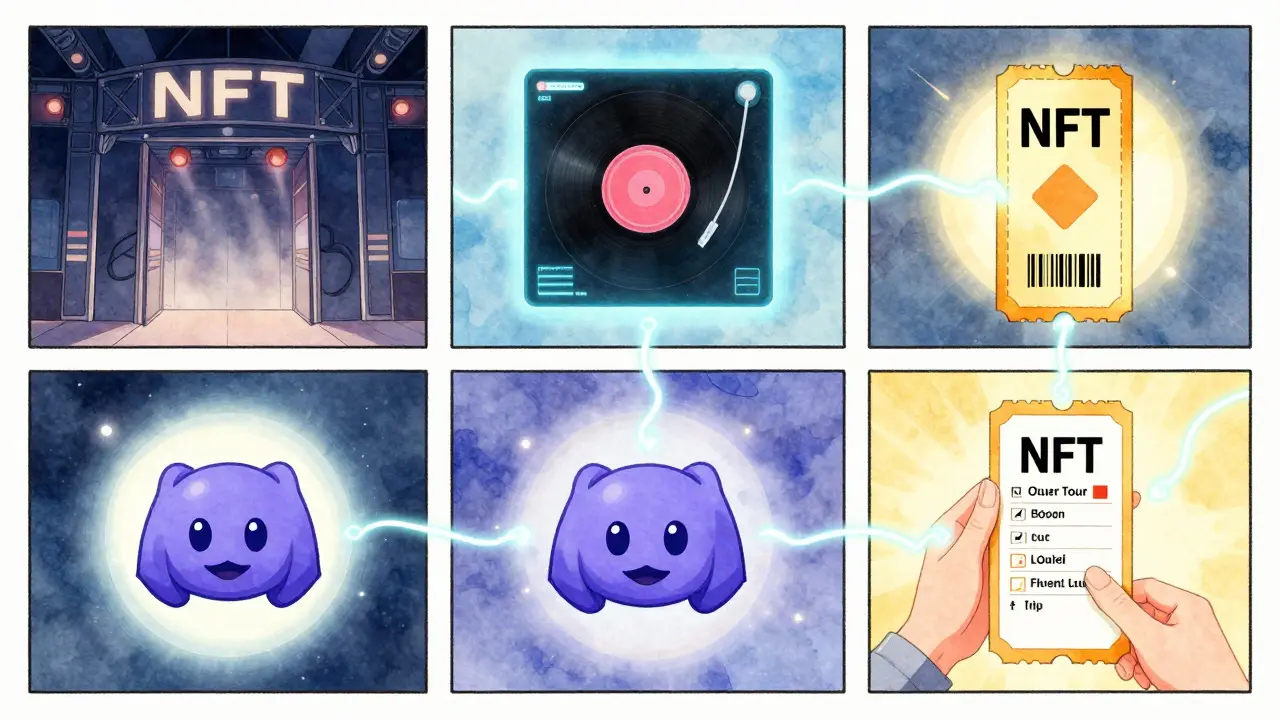
Imagine your NFT ticket evolves. After the show, it unlocks a private Discord channel. After six months, it gives you a discount on next year’s tour. After two years, it lets you vote on which city the artist plays next. Some platforms are already testing "fan loyalty tiers" - the more events you attend, the more perks you unlock.
And it’s not just concerts. Think sports games, theater shows, even conferences. Your NFT ticket could give you access to speaker recordings, downloadable slides, or networking invites with other attendees.
By 2027, experts predict 30-40% of major festivals will use NFT tickets. That’s not a guess - it’s based on adoption trends. The tech is improving fast. Wallets are simpler. Verification is instant. And fans? They’re starting to see these tickets not as a hassle, but as a gift.
How to Get Started (If You’re an Organizer)
If you’re running an event and want to try NFT tickets:
- Choose a platform. SeatlabNFT, ComeTogether, and Tixologi are built for this. No blockchain coding needed.
- Start small. Try one show first. Offer 100 NFT tickets as a loyalty reward for past attendees.
- Offer free minting. Cover the gas fees yourself. Make it easy for fans to join.
- Add one cool perk. Maybe a short video from the artist, or a digital poster. Make the ticket feel special.
- Train your staff. Have someone on-site who can help fans with wallet issues.
Setup takes 2-8 weeks. But the payoff? Lower costs, higher fan loyalty, and a new revenue stream from resales - all while cutting out the middlemen.
Final Thought: It’s Not About Crypto. It’s About Connection.
NFT ticketing isn’t about making people into crypto traders. It’s about giving artists and fans something they’ve both wanted for years: a real, lasting connection.
Before, a ticket was just a piece of plastic. Now, it’s proof you were part of something. Something that stays with you. Something that grows in meaning.
That’s not just technology. That’s culture.
13 Responses
This is the kind of innovation that actually matters. No more fake tickets, no more scalpers taking advantage. Just pure, honest access.
bro i tried to get an nft ticket last year and my wallet crashed twice 😭 but once it worked?? i got a backstage video and a voice note from the lead singer?? i still have it. this is wild.
Stop acting like this is magic. It's just another way for companies to lock you into their ecosystem. You think you own it? Nah. You're just renting a digital badge while they profit off your fandom.
YES. This is the future. 🚀 No more paper tickets. No more scams. Just pure fan energy.
imagine if your ticket could also send you a text at 3am saying hey you were at that show in 2023 remember that time you cried during the encore lol
I love how this turns a transaction into a memory. It’s not about the blockchain-it’s about the feeling you get knowing you were part of something real.
The environmental argument is often misinformed. Ethereum’s post-merge energy consumption is comparable to a single household’s monthly usage. Paper tickets require logistics, ink, transportation, and disposal-all with far greater ecological impact.
So you're telling me my concert ticket is now a digital collectible that I have to crypto-wallet? Cool. I'll just stick to my $20 paper ticket and the smell of sweat and beer.
I cried when I got my NFT ticket for the festival. Not because it was expensive. Because it had my name on it. And the artist’s handwritten note. And a little animation of the stage lights. I’ve never felt so seen at a concert.
this is just crypto bros trying to make money off people who dont know what a private key is. lol
I’ve seen this work in London. One guy resold his ticket for £150-artist got £22.50. He then used the NFT to unlock a free ticket to the next show. That’s not exploitation. That’s fairness.
started with 50 NFT tickets for my small gig. ended up with 300 fans still showing the NFT on their profiles. one even got a tattoo of it. this is more than tech. it's tribe-building.
The real genius here isn’t the blockchain-it’s the smart contract’s ability to create ongoing value. Imagine if your ticket evolved: after five events, you unlock a private livestream; after ten, you get to name a song in the setlist; after twenty, you’re invited to the studio session. It’s not just access-it’s a loyalty program that actually feels personal, not corporate. And the best part? The artist isn’t just collecting data-they’re building relationships. That’s not just innovation. That’s intimacy in a world that’s lost it.