
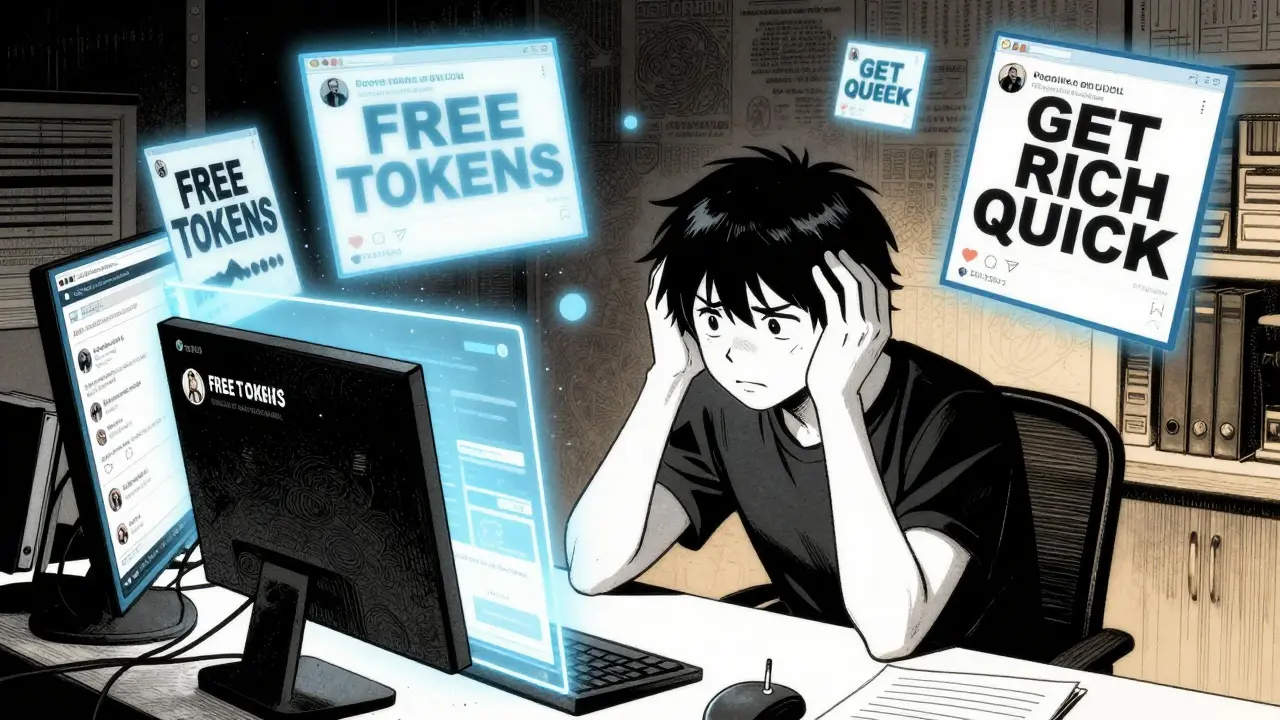
You’ve likely seen the buzz about a MoMo KEY airdrop. Maybe it was a tweet promising free tokens, a Telegram group shouting about "guaranteed profits," or a pop-up ad on a shady website. The promise is always the same: sign up, do some simple tasks, and get rich quick with free cryptocurrency.
Here is the hard truth that most promoters won’t tell you. There is no credible evidence of an official, active airdrop for the specific token known as MoMo KEY (KEY token) in mid-2026. In fact, the lack of information is the biggest red flag you could possibly see. While other projects with similar names like Momo AI or Momo Coin have had documented campaigns, MoMo KEY remains silent, obscure, and highly suspicious.
If you are looking to claim these tokens, stop. You are likely walking into a phishing trap designed to steal your wallet credentials or drain your existing funds. This guide breaks down exactly why this project is dangerous, how to spot the difference between real and fake airdrops, and what you should do if you’ve already engaged with them.
The Confusion Around "Momo" Tokens
The biggest issue facing investors right now is name confusion. The cryptocurrency space is flooded with projects using variations of the word "Momo." This isn't an accident; scammers rely on this chaos to trick users who aren't paying close attention.
For example, Momo AI (a Solana-based project) ran a legitimate-sounding airdrop program that ended in early 2025. They had clear dates, a snapshot time, and a listing plan. Similarly, MomoAI (MTOS) conducted a campaign involving Telegram games like "Knock at Coconut" with a snapshot in January 2024. Even a memecoin called Momo Coin ($MOMO) announced a specific airdrop window in August 2025.
MoMo KEY, however, is a completely different entity. It trades under the ticker KEY. Despite having a price history that shows an all-time high of over $1,000 back in 2021, the project has virtually disappeared from the radar since then. As of July 2026, there are no official announcements, no roadmap updates, and no verified social media channels promoting an airdrop. If someone claims they can give you MoMo KEY tokens for free, they are either lying or trying to scam you.
Red Flags: Why MoMo KEY Looks Suspicious
When evaluating any crypto opportunity, especially one promising free money, you need to look at the data, not the hype. Here is why MoMo KEY fails the basic safety checks:
- Zero Trading Volume: According to major trackers like CoinMarketCap and CoinGecko, the 24-hour trading volume for KEY is effectively zero. On decentralized exchanges like PancakeSwap, you might see tiny amounts like $11 to $12 in daily volume. A project with no liquidity cannot support a meaningful airdrop because recipients wouldn't be able to sell the tokens anyway.
- No Major Exchange Listings: You cannot buy or trade MoMo KEY on reputable centralized exchanges like Binance, Coinbase, or Kraken. Binance explicitly notes that the token is unavailable on their platform. Legitimate projects usually aim for these listings to build trust.
- Absence of Official Communication: Where is the team? Where are the developer updates? For MoMo KEY, there is nothing. No Twitter/X account with recent posts, no Discord server with active moderation, and no GitHub repository showing code development. Silence in crypto usually means abandonment or fraud.
- Inconsistent Data: Some sources show technical indicators for a "MOMO" token that don't match the price of the KEY token. This data mismatch suggests that tracking platforms are struggling to distinguish between multiple fake or dead projects using similar names.
How Fake Airdrop Scams Work
If there is no real airdrop, why are people talking about it? Because scammers create fake websites and social media accounts to mimic legitimate projects. Here is the typical playbook used by bad actors targeting MoMo KEY searchers:
- The Hook: You find a website claiming to be the "Official MoMo KEY Airdrop Portal." It looks professional, uses the correct logo, and promises thousands of dollars worth of tokens.
- The Connection: To "claim" your reward, the site asks you to connect your Web3 wallet (like MetaMask or Trust Wallet). This step seems harmless, but it’s the critical moment.
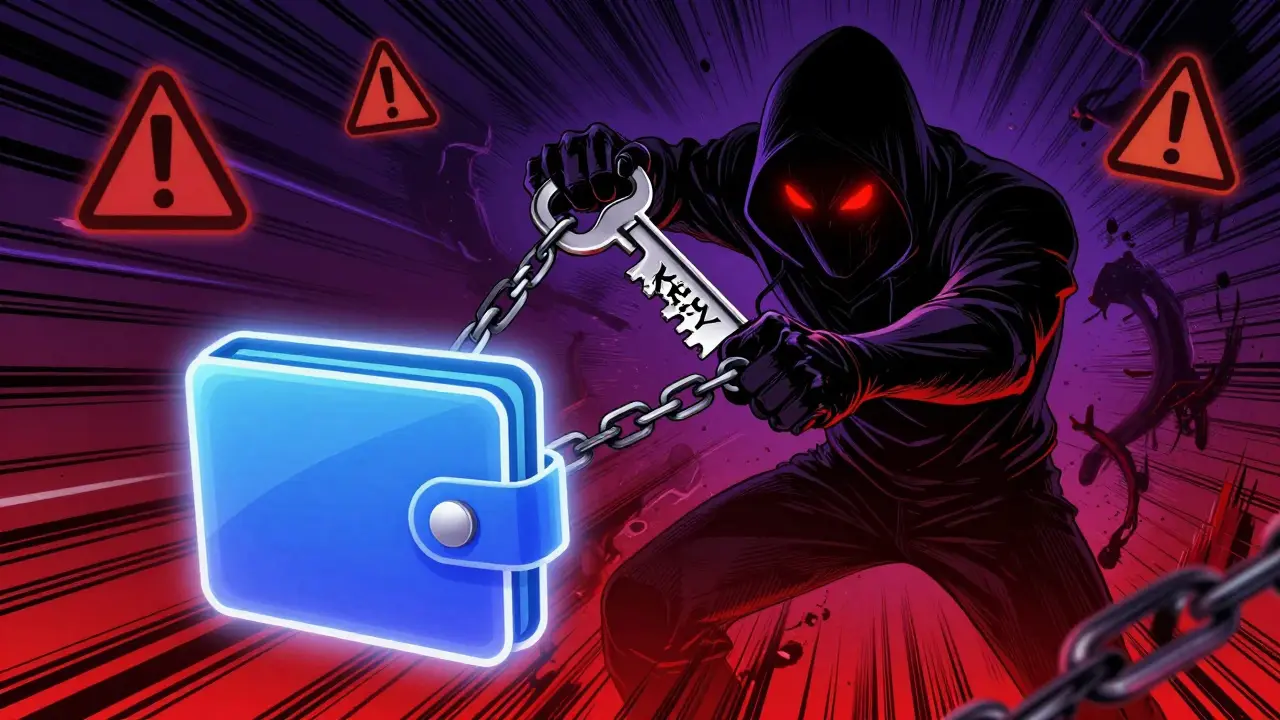
- The Approval Trap: Once connected, the site doesn't just send you tokens. Instead, it sends a transaction request asking for permission to spend your assets. This is often hidden in complex legal jargon or disguised as a "gas fee" payment.
- The Drain: If you approve the transaction, the smart contract behind the scene instantly drains your wallet of ETH, BNB, or other valuable tokens. The "free" KEY tokens you received are worthless dust, but your real money is gone.
This method is known as a "drain wallet" attack. It relies on users being excited about free money and ignoring security warnings. Always remember: legitimate airdrops never ask you to pay gas fees to receive tokens, nor do they require you to approve unlimited spending limits on unknown contracts.
Real vs. Fake: How to Verify Any Airdrop
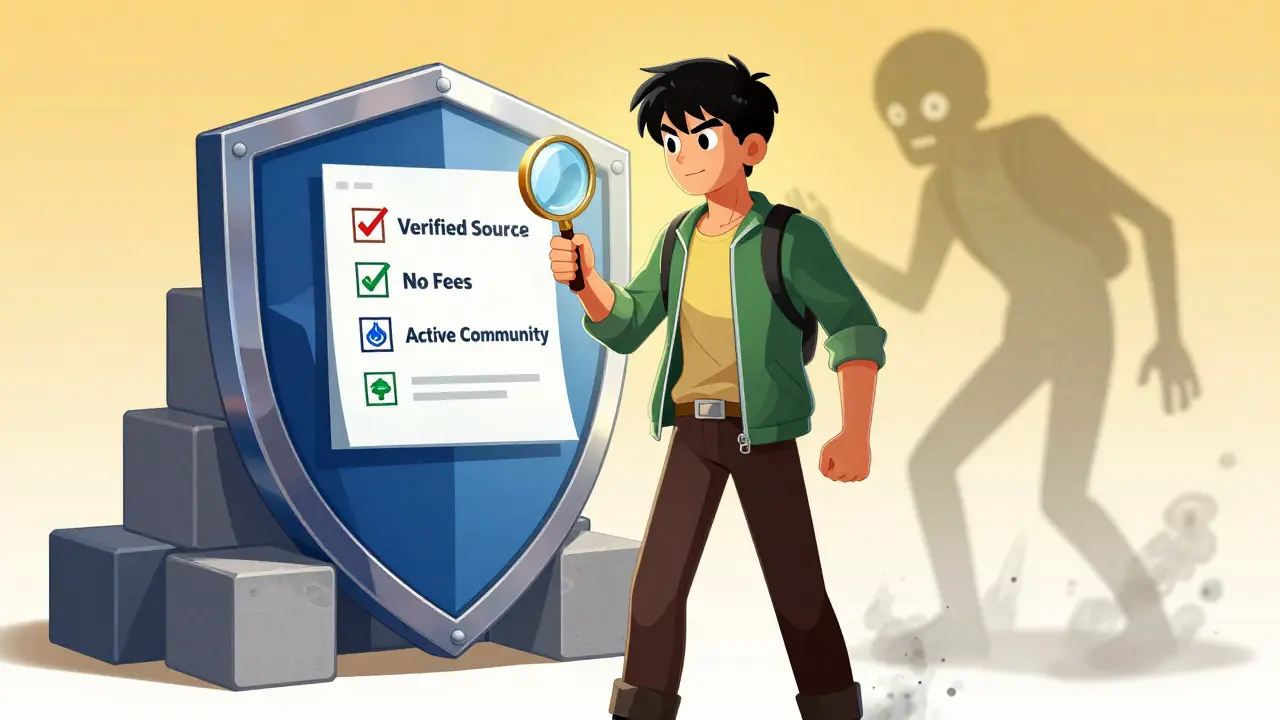
Not every crypto offer is a scam, but you must verify every single one. Use this checklist before connecting your wallet to any site claiming to offer MoMo KEY or any other token:
| Feature | Legitimate Airdrop | Fraudulent Airdrop (Scam) |
|---|---|---|
| Source Verification | Listed on official project website and verified social media (Twitter/Discord links in bio). | Found via unsolicited DMs, random tweets, or unverified third-party sites. |
| Cost to Claim | Free. You only pay standard network gas fees if sending to yourself, but never to "unlock" rewards. | Asks for upfront payments, "verification fees," or requires connecting wallet to unknown dApps. |
| Token Liquidity | Token has active trading volume on major DEXs or CEXs. | Token has near-zero volume, no liquidity pool, or is only available on obscure platforms. |
| Community Presence | Active community discussions on Reddit, Twitter, and Discord with real user experiences. | Silent community, bot-filled comments, or no online presence outside the claim site. |
| Smart Contract Audit | Contract is audited by firms like CertiK or Hacken; source code is open-source. | No audit, obfuscated code, or contract allows owner to mint infinite tokens. |
What To Do If You Already Connected Your Wallet
If you clicked a link related to a MoMo KEY airdrop and connected your wallet, act immediately. Time is critical.
- Revoke Permissions: Go to a service like Revoke.cash or Etherscan Token Approvals. Connect your wallet and look for any approvals granted to unknown addresses. Revoke them all. This stops the scammer from draining future funds.
- Move Funds: Transfer any remaining assets from that wallet to a new, clean wallet address. Do not leave anything in the compromised wallet.
- Check Transaction History: Look closely at your transaction history on BscScan or Etherscan. If you see outgoing transactions you didn't initiate, note the amount and the recipient address. While recovery is rare, this information is useful if you decide to report the crime.
- Never Reuse Passwords: If you created an account on the fake site, change passwords for any other services where you used the same credentials.
The Future of MoMo KEY
Is there any hope for MoMo KEY making a comeback? Based on current market data, the outlook is bleak. The token hit its peak in 2021 during the last bull run's mania phase. Since then, it has suffered from extreme volatility, dropping to lows of $4.57 in late 2023. With no development activity, no exchange listings, and no community engagement, the project appears to be abandoned.
In the crypto world, abandoned projects are often referred to as "zombie chains" or "dead coins." They may still exist on the blockchain, but they serve no purpose and hold no value. Investing time or money into such projects is a guaranteed loss. Instead of chasing ghosts like MoMo KEY, focus on projects with transparent teams, active development, and verifiable utility.
Safer Alternatives for Airdrop Hunters
If you enjoy hunting for airdrops, there are safer ways to participate. Focus on established ecosystems that have a track record of rewarding early users:
- Layer 2 Networks: Projects like Arbitrum, Optimism, and zkSync have historically rewarded users who bridge funds and use their networks. These are large, funded projects with clear roadmaps.
- DeFi Protocols: Interact with well-known decentralized finance platforms like Uniswap, Aave, or Lido. Using their services regularly increases your chances of being included in future governance token distributions.
- New Blockchain Ecosystems:: Keep an eye on emerging chains like Solana or Base. New apps launching on these chains often run testnets or incentive programs to attract users.
Always prioritize projects that are listed on trusted aggregators like CoinMarketCap or CoinGecko with verified badges. Avoid anything that relies solely on hype and anonymous teams.
Is there an official MoMo KEY airdrop in 2026?
No. There is no credible evidence of an active or upcoming airdrop for the MoMo KEY (KEY) token. All current offers found online are likely scams designed to steal wallet funds. The project shows no signs of active development or official communication.
How can I tell if a crypto airdrop is a scam?
Key signs include: requests to connect your wallet to unknown sites, demands for upfront fees to claim tokens, lack of official social media verification, zero trading volume for the token, and pressure to act quickly. Legitimate airdrops are free and promoted through official, verified channels.
What is the difference between MoMo KEY and Momo AI?
They are completely different projects. Momo AI is a Solana-based project that had a documented airdrop ending in 2025. MoMo KEY is an older, largely inactive token with the ticker KEY. Scammers often confuse these names to trick users into visiting fake sites.
Can I recover funds lost to a fake airdrop scam?
Recovery is extremely difficult because cryptocurrency transactions are irreversible. However, you should immediately revoke wallet permissions using tools like Revoke.cash and move any remaining funds to a new wallet to prevent further losses. Reporting the incident to local authorities is also recommended.
Where can I safely check for legitimate crypto airdrops?
Use reputable tracking sites like Airdrop.io, CoinMarketCap's airdrop section, or follow verified announcements from major projects on Twitter and Discord. Always cross-reference information with multiple trusted sources before engaging with any claim process.