

Writing product listings for online marketplaces used to be a grind. You’d spend 10 to 15 minutes crafting the perfect title, bullet points, and description for just one item. Do that 50 times a day, and you’re losing hours that could’ve gone to customer service, shipping, or finding new products to sell. The good news? You don’t have to do it anymore.
AI tools now handle the heavy lifting of listing creation, follow-ups, and even inventory alerts. They don’t replace you-they free you up to focus on what matters: building trust, answering questions, and growing your business. The key is using them the right way.
Stop Writing Listings by Hand
The biggest time-suck in online selling? Writing product descriptions. You need to highlight features, solve problems, and sound human-all while fitting marketplace SEO rules. Most sellers copy-paste from manufacturers or write generic stuff that gets buried in search results.
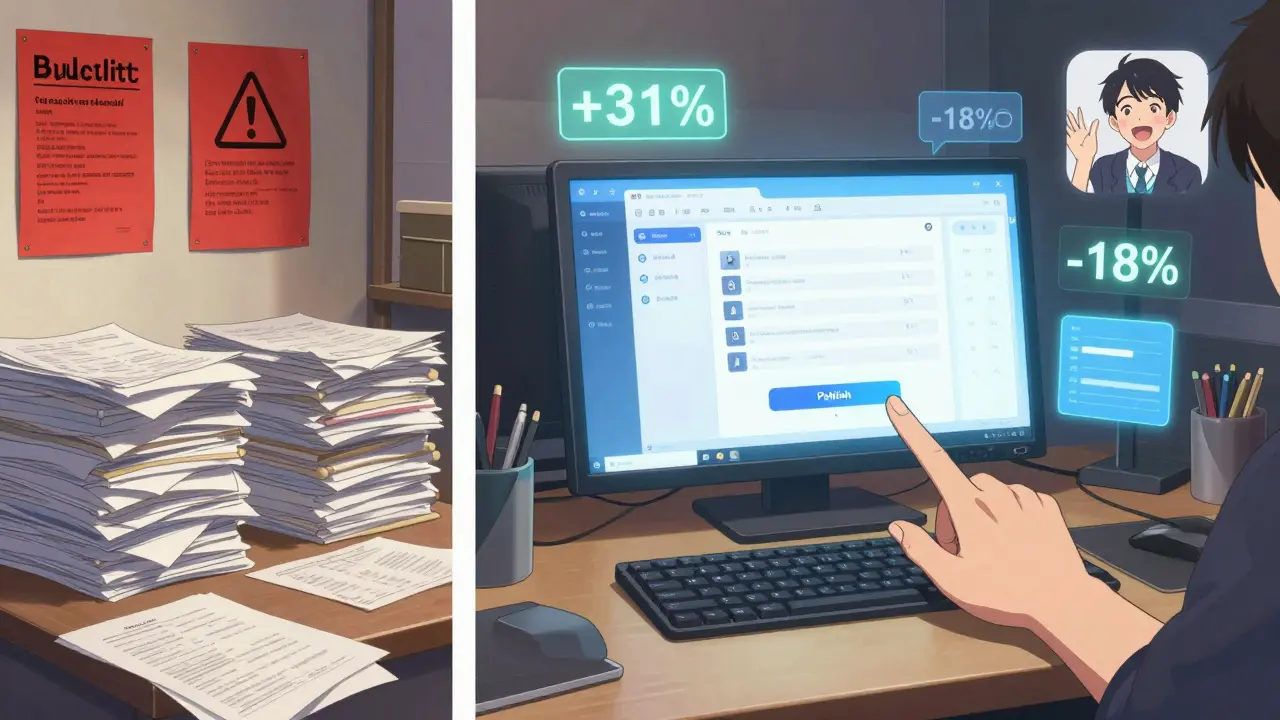
AI-powered product description generators change that. Instead of typing, you paste in a few details: product name, key specs, target audience, and tone (friendly, professional, urgent). In seconds, you get a draft optimized for visibility and conversion. Tools like sellygenie.com specialize in this. They’re not magic-they don’t know your brand better than you do-but they eliminate the blank-page panic. You tweak, you polish, you hit publish. Done in under a minute.
Automate Follow-Ups Without Sounding Robotic
Customers who don’t buy right away? They’re not lost. They’re just waiting. The problem? Following up manually means you’re either late (and forgotten) or spammy (and annoying).
AI sales tools like Outreach.io and Salesloft can send smart follow-ups based on behavior. If someone viewed your listing but didn’t buy, they get a message 24 hours later: “Still thinking about it? Here’s a quick video showing how it works.” If they added to cart but didn’t check out? A gentle nudge: “Only 2 left in stock-this one won’t last.”
These tools learn from what works. If messages with emojis get more replies, they use more emojis. If replies drop after 3 days, they adjust timing. You set the rules. The AI handles the rhythm. No more guessing when to reach out.
Sync Your Listings Across Platforms
Selling on Amazon, Etsy, eBay, and your own Shopify store? Managing inventory and pricing across all of them manually is a nightmare. You list something on Amazon, forget to update Etsy, and end up overselling. Or you change the price on one platform and miss another-losing profit or confusing buyers.
Platforms like GenFuse AI connect all your sales channels through a single dashboard. You update a product once, and it auto-updates everywhere. Price changes, stock levels, even images and descriptions sync in real time. You can even set rules: “If stock drops below 3 on Amazon, pause listing on eBay.” No more midnight panic calls from customers wondering why their order was canceled.

Use AI to Predict What Sells
Not all products are created equal. Some sell like crazy. Others sit there for months. Why? It’s not luck. It’s timing, trends, and audience fit.
Tools like Akkio and HubSpot Sales Hub analyze past sales data, seasonal patterns, and even social media buzz to predict what’s going to move next. If you sell winter gear, it’ll tell you to ramp up listings in October-not November. If your best-selling item is a blue phone case, it’ll suggest creating variations in similar colors before competitors do.
This isn’t guesswork. It’s data-driven planning. You stop buying inventory based on hunches and start stocking what the market actually wants. One seller using Akkio cut stockouts by 31% in three months. That’s more sales, fewer refunds, and happier customers.
Fix the Mistakes Before They Happen
AI doesn’t just help you sell-it helps you avoid disasters.
Imagine posting a listing with a typo: “Wireless Headphones with 50-hour battary life.” You catch it… after 200 people have already clicked. Or worse-you accidentally list a product as “in stock” when it’s sold out. Buyers get frustrated. Your rating drops. Amazon or Etsy might even suspend your account.
AI tools now scan your listings before publishing. They check for spelling, grammar, keyword stuffing, and pricing inconsistencies. Some even flag legal risks-like using trademarked brand names without permission. One seller using AI-powered listing review cut her return rate by 18% just by fixing small errors before they reached customers.
Don’t Over-Automate
Here’s the trap: thinking AI should do everything. You don’t want your customers talking to a bot when they have a question about sizing, compatibility, or shipping time. People buy from people. Not algorithms.
The best sellers use AI for the boring stuff: writing, scheduling, syncing, predicting. They keep the human touch for the emotional stuff: answering “Will this fit my dog?” or “Can I return it if I don’t like it?”
HubSpot’s AI Sales Hub has a “human-in-the-loop” feature that lets you review every AI-generated message before it goes out. You can approve, edit, or delete. That small step keeps your brand sounding real. And customers notice.
Start Small, Then Scale
You don’t need to overhaul your whole workflow overnight. Pick one pain point and fix it with AI.
- Too slow at writing listings? Try a product description generator like sellygenie.com.
- Missing follow-ups? Set up one automated email sequence for cart abandoners.
- Listing on too many platforms? Connect two first-say, Amazon and Etsy-and see how syncing saves time.
Track your results. How many hours did you save? How many more sales did you make? If it worked, add another tool. If not, try something else. AI isn’t a one-size-fits-all fix. It’s a toolkit. Use what helps. Ignore what doesn’t.
What to Avoid
Not all AI tools are created equal. Watch out for these red flags:
- Tools that promise “100% automated sales.” If it sounds too good to be true, it is. Real sales need human judgment.
- Platforms that don’t let you edit AI output. You’re the expert. The AI is the assistant.
- Services that require complex coding or IT support. If you’re not a developer, stick with no-code tools like GenFuse AI or SellyGenie.
- Tools that ignore marketplace rules. Some AI generates content that violates Amazon’s guidelines. That’s a suspension waiting to happen.
Stick with tools that let you stay in control. Your brand, your voice, your rules.
Bottom Line
AI tools for online selling aren’t about replacing you. They’re about removing the friction that’s holding you back. Writing descriptions. Syncing inventory. Following up. Tracking trends. These tasks don’t need your brain-they need your time.
Use AI to handle the repetitive stuff. Save your energy for what only you can do: connecting with customers, solving problems, and growing a business that feels personal. That’s the real edge in online selling today.
12 Responses
AI wrote this post and I’m not even mad. Like, I literally just pasted my product details into SellyGenie and now I’ve got listings that sound like I stayed up all night perfecting them-except I was napping. Game changer. No cap.
i been usin ai for my etsy shop since last year and my sales jumped 40% no joke. i just fix the typos and add a lil personality. its like having a lazy intern who actually does what ur told.
One of the best things about AI tools is how they let you focus on the real stuff-the customer who’s nervous about sizing, the one who just needs reassurance before clicking buy. The tech does the grunt work, but you still get to be the human behind the screen. That’s where the magic happens.
Stop pretending AI is magic. You still gotta know your market. I saw some guy use an AI tool that wrote ‘waterproof’ for a product that leaked in rain. Got suspended. AI doesn’t think-it just rewrites. You’re the brain. Don’t outsource your common sense.
ai is just a fancy word for copy paste
Man, I used to spend 3 hours a day just writing listings. Now? 20 minutes. I let AI draft it, then I add the little things-like ‘perfect for your fussy cat’ or ‘my grandma loves this’-stuff that makes it feel real. The AI gives me the skeleton, I give it a soul. 😊
It’s fascinating how AI doesn’t just automate-it optimizes. It learns from micro-behaviors: the way customers linger on certain keywords, the exact moment they abandon carts, the emoji patterns that trigger replies. This isn’t just efficiency; it’s behavioral archaeology. And when you combine that with your brand voice, you’re not just selling-you’re curating experiences. It’s like having a data-driven co-pilot who never sleeps, never gets tired, and never forgets that your customer is a person, not a metric.
If AI is removing the friction, what happens to the authenticity of the human touch? Are we trading emotional resonance for speed? I wonder if customers can feel the difference between a listing written by someone who actually held the product and one that’s just a statistical collage of past bestsellers. Is convenience worth the quiet erosion of intimacy in commerce?
AI? It’s not the future-it’s the *now*. And yet… we’re still clinging to the myth that ‘handcrafted’ means better. Please. The handcrafted listings that say ‘high quality’ and ‘perfect gift’? Those are the ones drowning in the algorithm. AI gives you the edge. It gives you the *real* edge-the one that says, ‘I know your customer better than you think I do.’ And if you’re still writing descriptions by hand? You’re not a artisan-you’re a masochist with a keyboard.
bro i tried ai tool and my sales exploded like fireworks on new years 😍 i was crying man like i never thought i could sell so much i love you guys
Interesting approach. I’ve used similar tools for inventory syncing. The time saved is undeniable. However, I still manually review every product description. A machine can’t replicate local cultural nuance. For example, ‘sleek’ means different things in Texas versus London. A small edit goes a long way.
Everyone’s acting like AI is some kind of savior. Meanwhile, people are getting banned from Amazon for AI-generated content that violates guidelines. You think the algorithm doesn’t catch that? You think they don’t know when a listing sounds like it was spit out by a bot? Wake up. You’re not smarter than the system-you’re just feeding it garbage until it bans you. And then what? You start over? With your ‘human touch’? Too late.