

Remember when we thought any platform with a website was safe enough for our money? Those days are gone. In the world of cryptocurrency, trust isn't given; it's earned through transparency, regulation, and consistent performance. That’s why you’re here, looking at HitBTC. Founded in 2013 by Htechno Business LTD, this Hong Kong-based exchange has been around long enough to survive several market crashes but recent years have painted a complicated picture.
You might be drawn in by the low fees or the sheer number of coins available. Maybe you heard about their advanced API tools. But before you deposit a single dollar, we need to talk about the elephant in the room: HitBTC operates without regulation from major financial authorities. This review cuts through the marketing hype to tell you exactly what you get, what you risk, and whether this platform still deserves a spot in your trading portfolio in 2026.
The Bottom Line: Who Is HitBTC For?
If you are a beginner looking for a simple way to buy Bitcoin with your credit card and hold it safely, HitBTC is likely not the right choice. The interface can feel clunky, the support is notoriously slow, and the lack of regulatory oversight adds a layer of risk that new users often don’t understand.
However, if you are an experienced trader who prioritizes low transaction costs, needs access to obscure altcoins, or requires a robust API for algorithmic trading, HitBTC offers some compelling technical advantages. It’s a tool for experts, not a wallet for savers. Here is the quick breakdown:
- Best For: Advanced traders, high-frequency bots, and those seeking niche altcoin pairs.
- Avoid If: You prioritize customer support, regulatory security, or ease of use.
- Risk Level: High (due to unregulated status and mixed user reports).
Trading Features: Deep Dives into Spot, Margin, and Futures
Let’s look at what you can actually do on the platform. HitBTC positions itself as a crypto-to-crypto specialist. They currently list over 500 trading pairs for spot trading and more than 800 pairs if you include derivatives. That volume is impressive. You won’t struggle to find liquidity for most established tokens, and they often list newer projects faster than regulated giants like Coinbase.
For those who want to amplify their trades, HitBTC offers margin trading with up to 10× leverage. If you’re feeling aggressive, their futures contracts go up to 100× leverage. While the potential for profit is high, so is the risk of liquidation. The platform applies a 0.5% fee during forced closures, which can eat into your capital quickly if the market moves against you sharply.
One feature that sets HitBTC apart from many competitors is its robot-friendly API. Developers praise the stability and speed of their connection endpoints. If you run automated trading strategies, this is a significant plus. However, note that while they offer Over-the-Counter (OTC) trading for large blocks, they lack PAMM accounts and comprehensive affiliate programs found on other platforms.
| Feature | Details |
|---|---|
| Spot Pairs | 500+ |
| Futures Pairs | 800+ |
| Max Leverage (Margin) | 10× |
| Max Leverage (Futures) | 100× |
| Minimum Deposit | $1 |
| API Access | Advanced/Robot-friendly |
Fee Structure: Cheap to Trade, Expensive to Withdraw?
Costs matter. If you trade frequently, fees can silently drain your account. HitBTC uses a tiered fee structure based on your 30-day trading volume. By default, spot trading fees are set at 0.12% for makers (those who add liquidity) and 0.25% for takers (those who remove liquidity). These rates are competitive, especially compared to exchanges charging 0.5% or higher.
Futures trading is even cheaper, with fees ranging from 0.02% to 0.05%. Additionally, market makers can earn rebates of up to 0.01% of trade value. If you hold the native HIT token, you can unlock discounts ranging from 3% to 45%, depending on how much you hold. This incentivizes locking up capital in their ecosystem.
But here is where things get tricky. Users frequently complain about premium withdrawal costs and unexpected delays. While the trading fees are transparent, the operational friction when moving money off-platform can be frustrating. Always check the current withdrawal limits and fees for your specific asset before executing large trades.

Safety, Regulation, and Trust: The Big Concern
This is the most critical section of this review. HitBTC is registered in Hong Kong but has no active licenses from major financial regulators like the SEC (USA), FCA (UK), or ASIC (Australia). As of 2026, this unregulated status is a significant red flag for many investors.
Why does this matter? If something goes wrong-whether it’s a hack, insolvency, or fraud-you have little to no legal recourse. Regulated exchanges are required to segregate customer funds and undergo regular audits. HitBTC does not operate under these constraints. Industry analysis from TradingFinder highlights this, giving HitBTC a low trust score of 1.2 out of 5 stars based on thousands of reviews.
User experiences vary wildly. On one hand, some long-term users report stable trading operations and successful withdrawals. On the other hand, platforms like TrustPilot and G2 are filled with complaints about frozen accounts, delayed withdrawals, and poor communication. There have even been serious allegations regarding the exchange’s cooperation with law enforcement in cases involving stolen assets. While these claims are severe, the lack of regulatory oversight means there is no independent body to verify or resolve them efficiently.
CryptoRadar assigned HitBTC a modest 2.6 out of 5 rating, citing poor scores for Ease of Use (2.3) and Support (2.4). When comparing HitBTC to regulated alternatives like Kraken or Coinbase, the trade-off is clear: you get lower fees and more exotic coins, but you sacrifice institutional-grade security and consumer protection.
User Experience and Customer Support
Getting started on HitBTC involves a standard registration process. You can sign up with just an email, but to lift withdrawal limits and enhance security, you must complete KYC (Know Your Customer) verification. Pro tip: Do this immediately. Many users report that attempting to withdraw funds before completing KYC leads to account freezes and lengthy approval processes.
The interface itself is functional but dated. Verified users describe it as "clunky at first." It lacks the sleek, intuitive design of modern apps like Binance or Crypto.com. Navigation can be confusing for newcomers, and the documentation, while adequate for technical users, leaves beginners stranded.
Customer support is consistently rated poorly. Response times often exceed reasonable expectations, especially during periods of high volatility. If you have an urgent issue with a stuck transaction, don’t expect a human agent to pick up the phone within hours. The active community provides some peer support through forums, but relying on official channels for time-sensitive help is risky.
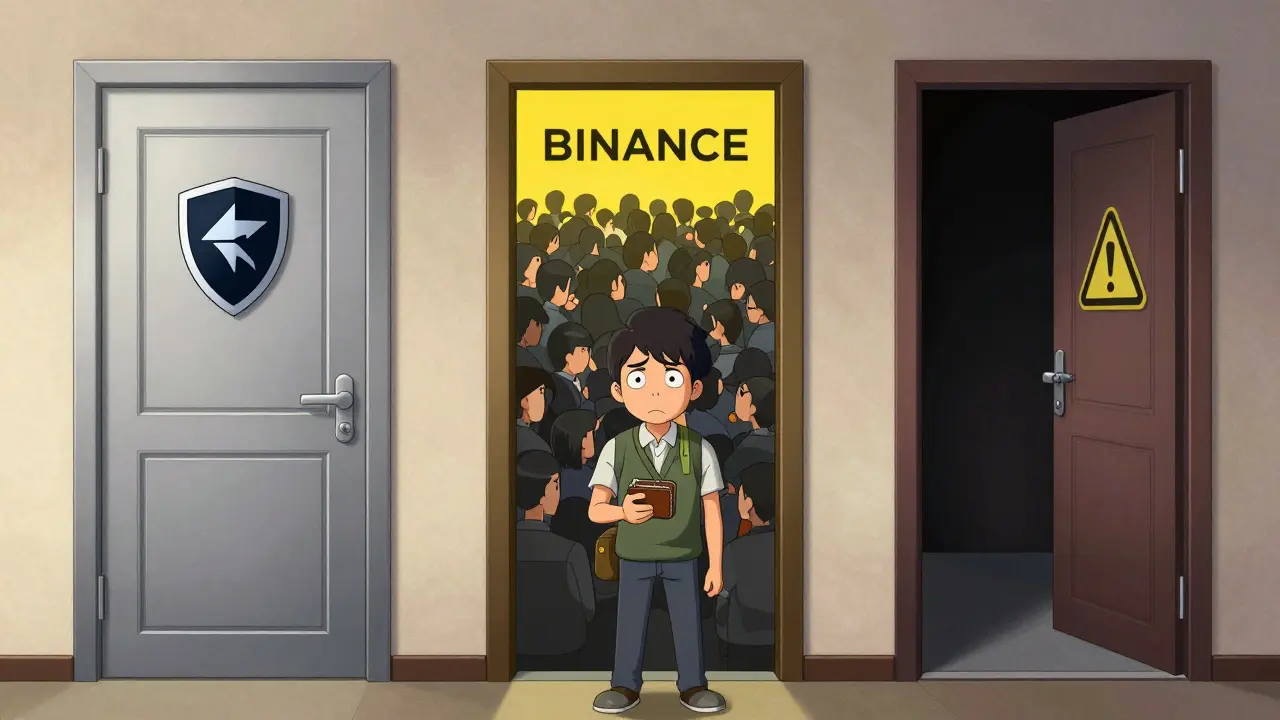
Alternatives: Should You Look Elsewhere?
If HitBTC’s risks outweigh its benefits for you, consider these alternatives based on your needs:
- Kraken: Ideal for users who want strong regulatory compliance, excellent customer support, and a wide range of fiat options. Fees are slightly higher, but the peace of mind is worth it for many.
- Binance: Best for traders who want the lowest fees and highest liquidity. Note that Binance also faces regulatory scrutiny in various jurisdictions, so check local availability.
- Coinbase Advanced: Perfect for beginners in the US and Europe. Higher fees, but unmatched ease of use and regulatory clarity.
HitBTC remains a viable option for a specific niche: sophisticated traders who understand the risks, need specific altcoin pairs, and value API performance over hand-holding. For everyone else, the lack of regulation and inconsistent support make it a harder sell.
Final Verdict
HitBTC is a double-edged sword. Its technical infrastructure is solid, offering deep liquidity, low fees, and powerful tools for pros. But its reputation is tarnished by a lack of regulation, poor customer service, and persistent user complaints about withdrawals. In 2026, with the crypto industry maturing and regulations tightening, using an unregulated exchange requires careful consideration.
If you decide to use HitBTC, start small. Complete KYC immediately. Never keep more than you can afford to lose on the platform. And always have a backup plan for withdrawing your funds.
Is HitBTC safe to use in 2026?
HitBTC poses higher risks than regulated exchanges because it lacks oversight from major financial authorities. While it has operated since 2013, user reports highlight issues with withdrawals and account freezes. It is considered safer for experienced traders who mitigate risk, but less suitable for beginners seeking protected environments.
What are the trading fees on HitBTC?
Default spot trading fees are 0.12% for makers and 0.25% for takers. Futures fees range from 0.02% to 0.05%. Holding the native HIT token can reduce these fees by up to 45%. Market makers may also receive rebates.
Does HitBTC require KYC verification?
Yes, while you can register with just an email, completing KYC (Know Your Customer) verification is strongly recommended and often required to lift withdrawal limits and prevent account restrictions. Many users report issues when trying to withdraw without verified status.
Can I buy crypto with fiat currency on HitBTC?
HitBTC primarily focuses on crypto-to-crypto trading. While you can use bank cards, Apple Pay, Google Pay, and Visa to purchase cryptocurrencies via their integrated exchanger, fiat currencies cannot serve as base account currencies for direct holding in the same way as on fully regulated fiat-on-ramp exchanges.
How does HitBTC compare to Binance or Kraken?
HitBTC generally offers lower fees and a wider selection of niche altcoins compared to Kraken, but lacks its regulatory compliance and customer support quality. Compared to Binance, HitBTC has fewer users and less liquidity, making it better suited for specific algorithmic trading strategies rather than general retail trading.