
You’ve probably seen the message pop up on your feed or in a Discord server. It promises free tokens from DeFi11, also known as D11. The claim is specific: a "CoinMarketCap Community Airdrop" for users who interact with the project. It sounds too good to be true, doesn’t it? In the world of crypto, if something sounds like a gift, it’s usually a trap.
I’m going to cut through the noise right now. There is no legitimate DeFi11 airdrop. There is no official partnership between DeFi11 and CoinMarketCap for this distribution. And if you are looking at a website asking you to connect your wallet to "claim" these tokens, you are likely staring at a phishing attempt designed to drain your funds. This article breaks down exactly why this claim is false, what happened to the DeFi11 project, and how to protect yourself from similar scams in 2026.
The Reality of DeFi11 and Its Acquisition
To understand why this airdrop is fake, we first need to look at the actual status of the project. DeFi11 was originally positioned as a decentralized finance ecosystem for fantasy sports. The idea was appealing: use blockchain technology to solve issues like rigged games and hidden data manipulation in traditional fantasy sports platforms. They promised an ERC-20 utility token called D11 that would handle fees, staking, and rewards.
However, the project’s story took a sharp turn. According to official records on CoinMarketCap, DeFi11 was acquired by VulcanForged. VulcanForged is a well-known gaming ecosystem focused on play-to-earn mechanics and NFTs. When one company acquires another in the crypto space, especially when the acquired project is still in early stages, the original token often gets retired, merged, or simply abandoned.
In the case of DeFi11, the token appears to have been effectively discontinued. The acquisition meant that the DeFi11 brand and its associated token, D11, were integrated into the broader VulcanForged strategy. This is a common occurrence; projects get bought out, their technology is absorbed, but the speculative token is left behind because it no longer serves a purpose in the new parent company’s roadmap.
Red Flag #1: Zero Circulating Supply
If you want to verify the health of any cryptocurrency, look at its circulating supply. This number tells you how many tokens are actually in the hands of investors and traders. For a legitimate airdrop to happen, there must be tokens available to give away.
Here is the hard data: As of late 2025 and continuing into 2026, the circulating supply of D11 is listed as 0. The total supply exists on paper-275 million tokens-but none of them are in circulation. This means the token is dormant. It is not trading on exchanges. It is not being held by active wallets. It is essentially dead code on the blockchain.
| Metric | DeFi11 (D11) | Active DeFi Project (Example) |
|---|---|---|
| Circulating Supply | 0 D11 | Millions/Billions of tokens |
| Trading Volume | $0 | Active daily volume |
| Exchange Listings | None | Major CEXs and DEXs |
| Community Activity | Non-existent | High engagement on social media |
How can an airdrop distribute tokens that don’t exist in circulation? It can’t. Any website claiming to send you D11 tokens is either lying or sending you a fake token that has no value. Legitimate airdrops, like the famous Uniswap airdrop in 2020, required the project to have millions of dollars worth of tokens ready to distribute. DeFi11 has nothing to give.
Red Flag #2: The Fake CoinMarketCap Connection
Scammers love to borrow credibility. By attaching the name "CoinMarketCap" to their scheme, they make the offer look official. You might see screenshots of emails or tweets that appear to come from CoinMarketCap, announcing a "Community Airdrop" for D11.
Let’s be clear: CoinMarketCap does not run random community airdrops for obscure, inactive tokens. CoinMarketCap is a data aggregator. They list prices and market caps. They do not distribute tokens. If you check CoinMarketCap’s official airdrop section, you will find zero listings for DeFi11. In fact, their airdrop page often shows "Loading data..." or lists only major, verified partnerships with high-profile projects.
This tactic is known as "authority bias." Scammers know you trust big names. They use those names to lower your guard. Always go directly to the source. Visit coinmarketcap.com yourself. Search for "DeFi11." Read the description. It explicitly states the project was acquired by VulcanForged. It does not mention an airdrop. If it’s not on the official site, it’s not real.
How These Airdrop Scams Work
Now that we know the claim is false, let’s look at what happens if you fall for it. Understanding the mechanism helps you spot these traps in the future. Here is the typical flow of a fake airdrop scam:
- The Hook: You see a post about a free airdrop. It uses urgent language like "Claim before it’s gone!" or "Limited spots available!"
- The Landing Page: You click a link that leads to a website that looks professional. It mimics the branding of the real project or uses generic crypto imagery.
- The Connection Request: To "claim" your tokens, you are asked to connect your Web3 wallet (like MetaMask or Phantom). This seems harmless, right? You’re just checking eligibility.
- The Malicious Contract: Behind the scenes, the website prompts you to sign a transaction. This isn’t just a signature; it’s an approval. You are approving the scammer’s contract to spend unlimited amounts of your assets.
- The Drain: Once you sign, the scammer’s bot instantly drains your wallet. They take your ETH, SOL, USDT, or whatever other valuable tokens you hold. The "free" D11 tokens you thought you were getting? You never receive them, or you receive a worthless copy-paste token that cannot be sold.
This method exploits curiosity and greed. It relies on you not checking the basic facts, like the circulating supply or the project’s acquisition status. In 2026, these scams are more sophisticated than ever. They use AI-generated images and cloned websites that are nearly indistinguishable from the real thing.
VulcanForged: What Happened Next?
If you are interested in the technology behind DeFi11, you should look at its parent company, VulcanForged. VulcanForged is an active player in the GameFi sector. They focus on creating immersive gaming experiences with NFT integration. Unlike DeFi11, which faded into obscurity after the acquisition, VulcanForged continues to develop its ecosystem.
However, VulcanForged has not revived the D11 token. Their current ecosystem revolves around their own native assets and partnerships within the gaming industry. There is no bridge between the old DeFi11 token and the new VulcanForged platform. If you were holding D11 before the acquisition, those tokens are likely stranded. If you are trying to get them now, you are chasing a ghost.
It is important to distinguish between the two entities. VulcanForged is a legitimate, active project. DeFi11 is a defunct predecessor. Scammers blur this line to confuse users. They hope you associate the legitimacy of VulcanForged with the fake promise of D11 tokens.
How to Verify Future Airdrops Safely
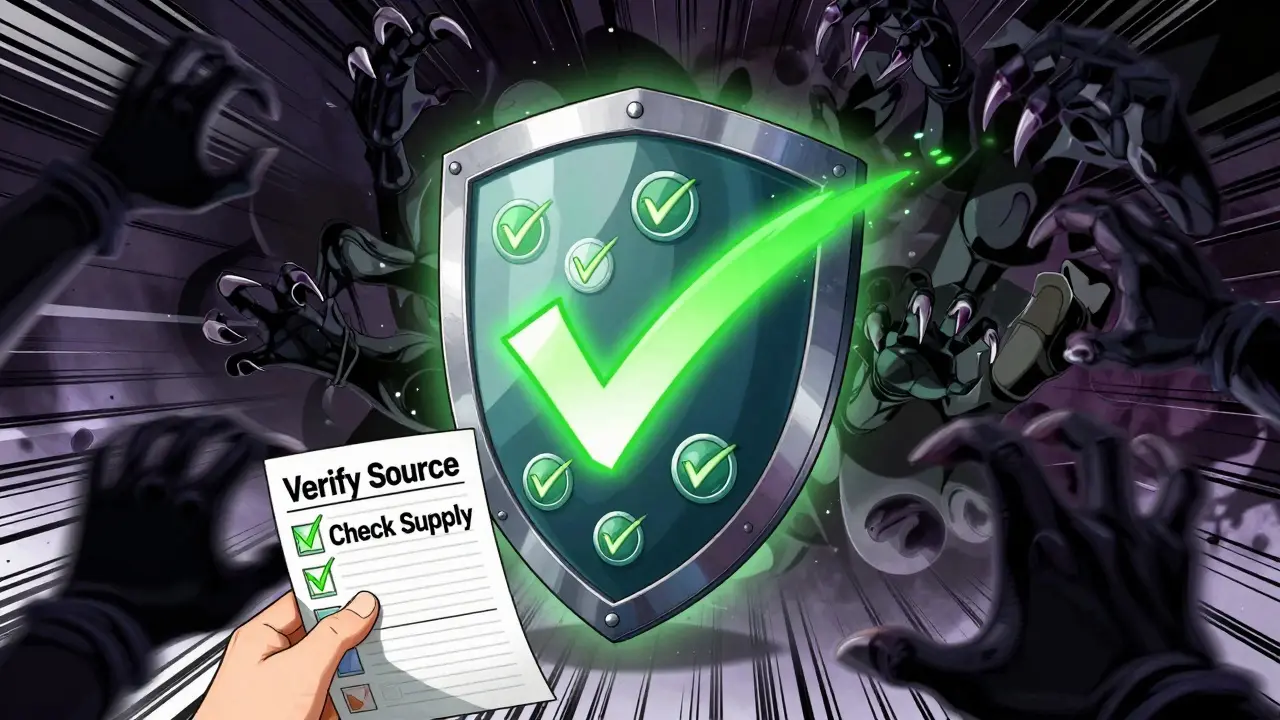
You don’t have to stop participating in crypto opportunities, but you must change how you approach them. Here is a checklist to keep your wallet safe:
- Check the Source: Never trust a link from Twitter, Telegram, or email alone. Go directly to the project’s official website via a search engine bookmark. Look for announcements on their verified social media channels.
- Verify Circulating Supply: Use CoinMarketCap or CoinGecko. If the circulating supply is zero or extremely low compared to the total supply, be skeptical. An airdrop requires liquidity.
- Never Pay to Claim: Legitimate airdrops are free. If a site asks you to pay a "gas fee" or send a small amount of crypto to unlock your reward, it is a scam. Real airdrops cover the costs themselves.
- Use a Burner Wallet: If you decide to interact with a new protocol or claim a suspicious offer, use a separate wallet with no significant funds. Keep your main holdings in a cold wallet or a separate hot wallet that you never connect to unverified sites.
- Read the Contract: If you are technical, check the smart contract address. Compare it with the official address listed on Etherscan or the project’s documentation. Mismatches are a sure sign of a clone attack.
Why Do These Scams Persist?
You might wonder why scammers keep using the same old tricks. The answer is simple: they work. Crypto adoption is growing, but financial literacy regarding blockchain security is lagging. Many new users assume that if a token is listed on CoinMarketCap, it is automatically safe to invest in or claim.
Listing on CoinMarketCap is not an endorsement. It is merely a record of existence. Thousands of tokens are listed, including dead projects, meme coins, and outright scams. The platform provides data, not advice. Scammers exploit this misconception. They know that seeing a CoinMarketCap logo gives them instant credibility in the eyes of a novice user.
Furthermore, the anonymity of crypto makes it easy for scammers to disappear once they’ve drained enough wallets. They create new domains, new social media accounts, and new fake projects every week. By the time a community realizes a scam is happening, the perpetrators have already moved on to the next target.
Conclusion: Protect Your Assets
The "DeFi11 x CoinMarketCap Community Airdrop" is a myth. It is a fabricated narrative designed to steal your private keys and drain your wallet. The DeFi11 project was acquired by VulcanForged, and its D11 token has a circulating supply of zero. There are no tokens to distribute, no official partnership, and no legitimate way to claim anything.
In the crypto space, skepticism is your best defense. If an opportunity feels rushed, too good to be true, or lacks verifiable data, walk away. Do not connect your wallet to unknown sites. Do not sign transactions you don’t understand. And always remember: if you have to pay money to get free money, it’s not free-it’s a loss.
Stay vigilant. Check your sources. And keep your assets secure. The next big opportunity will come along, and it won’t require you to risk everything on a fake promise.
Is the DeFi11 (D11) token still active?
No, the DeFi11 token is not active. It has a circulating supply of 0 and was effectively discontinued after the project was acquired by VulcanForged. There is no trading volume or active development for the D11 token.
Did CoinMarketCap announce an airdrop for DeFi11?
No, CoinMarketCap did not announce any airdrop for DeFi11. Claims linking CoinMarketCap to a DeFi11 airdrop are fraudulent. CoinMarketCap lists data for the token but does not distribute it or endorse such promotions.
What happened to the DeFi11 project?
DeFi11 was acquired by VulcanForged, a gaming ecosystem. Following the acquisition, the DeFi11 brand and its D11 token were integrated or retired. The token is no longer part of an active economic model.
How can I tell if a crypto airdrop is a scam?
Signs of a scam include: requests for upfront payments, links from unofficial sources, zero circulating supply for the token, and pressure to act quickly. Always verify announcements on the project's official website and social media channels.
Is VulcanForged related to the DeFi11 scam?
No, VulcanForged is a legitimate gaming company that acquired DeFi11. They are not involved in the fake airdrop scams. Scammers use the association between the two brands to mislead users.
10 Responses
the whole crypto world is a giant lie built on greed and deception. these scammers are the worst kind of people because they prey on the weak and the desperate. it makes me sick to my stomach to see how easily people fall for these traps. you have to be vigilant every single day or you will lose everything you own. i trust no one in this space anymore because everyone has an agenda. the system is rigged against the little guy from the very start.
lol ur so naive if u think this is the only scam out there. its literally everywhere. i mean come on, connecting your wallet to a random site? thats just basic common sense stuff that everyone should know by now but apparently not. why do ppl keep falling for this garbage?? its embarrassing honestly. check the contract address before u sign anything dumbass.
hey guys just wanted to add some info here. when i looked up the d11 token on etherscan it showed zero transactions for months. also vulcanforged didnt mention anything about reviving it in their last roadmap update. so yeah its definitely dead. dont connect your main wallet to any claim sites use a burner instead just in case. better safe than sorry right
We must all remain vigilant and informed in this digital age. The proliferation of such deceptive practices is unacceptable and demands our collective attention. Let us stand together as a community to expose these fraudulent activities and protect our fellow citizens from financial ruin. Education is our strongest weapon against these cybercriminals who seek to exploit our trust and goodwill.
The smart contract architecture behind these phishing sites is actually quite sophisticated. They utilize approval exploits to drain multi-chain assets instantly upon signature. It is crucial to understand that signing a transaction does not merely authorize a single action but can grant unlimited allowance to malicious addresses. Always revoke permissions regularly using tools like Revoke.cash to mitigate risk exposure in your Web3 portfolio management strategy.
It is imperative to verify all sources independently. CoinMarketCap serves as a data aggregator not an endorsement body. One must cross-reference information with official project documentation and verified social media channels. Due diligence remains the cornerstone of secure cryptocurrency participation. Negligence in this regard often leads to irreversible financial loss.
I agree with the points raised here. The acquisition by VulcanForged effectively killed the D11 token utility. There is no liquidity and no active development team supporting it. Scammers are simply leveraging the confusion around the merger to trick users. We should report these fake sites to the relevant authorities to help shut them down faster.
This is incredibly important information for everyone to know. I was almost tempted by a similar message on Discord recently but something felt off. Checking the circulating supply was a great tip. It really shows how important it is to pause and research before clicking any links. Thank you for sharing this detailed breakdown to keep our community safe.
these foreign scammers need to go back where they came from :( they are ruining our economy and stealing from hardworking americans. we need stricter laws against crypto fraud and more enforcement. its disgusting how they operate with impunity while honest people suffer. stay strong patriots and dont let them win :)
ugh another boring post about scams. obviously its a scam who would give away free money lol. only idiots fall for this. i wish people would stop making such a big deal out of obvious things. its so tedious reading all this advice when the answer is just dont be stupid. whatever.