

Remember when uploading a video or posting an article meant handing over most of your earnings to a platform? That era is ending. In 2026, the future of content monetization is defined by direct, transparent revenue streams powered by blockchain technology. Creators are no longer just users; they are owners of their digital assets and direct beneficiaries of their audience's support.
The shift isn't just theoretical hype anymore. It’s happening right now. Traditional intermediaries that once took huge cuts from every subscription, ad view, or download are being bypassed by smart contracts that automatically execute payments based on predefined conditions. This means if someone buys your ebook, the money hits your wallet instantly, minus only a tiny network fee. No monthly payout cycles, no arbitrary demonetization, and no black-box algorithms deciding your worth.
Why Blockchain Changes Everything for Creators
The core problem with traditional platforms has always been control. You build the audience, but the platform owns the relationship. They can change the terms, ban your account, or alter the algorithm overnight. Blockchain flips this dynamic by putting ownership back in your hands through decentralized ledgers that provide immutable records of ownership and transactions.
Here is how it works in practice:
- Direct Compensation: Fans pay you directly using cryptocurrencies or stablecoins. The middleman disappears.
- Transparent Rights Management: Every copy, share, or resale of your work is recorded on-chain. You know exactly who has what.
- Fractional Ownership: High-value content like exclusive interviews or behind-the-scenes footage can be tokenized. Fans buy small shares, creating a community invested in your success.
This model turns your content into a verifiable asset rather than just ephemeral data on a server owned by a tech giant.
The Rise of Tokenized Content Assets
Tokenization is the engine driving this new economy. By 2026, we aren't just talking about simple digital collectibles. We are seeing Real-World Asset (RWA) tokenization applied to creative industries. This means your intellectual property-whether it’s a song, a script, or a course-can be represented as a tradeable token.
Imagine releasing a limited-edition NFT series where each token grants access to a private Discord channel, early previews, and voting rights on your next project. If a fan resells that token later, your smart contract can automatically send you a royalty percentage. This secondary market revenue was nearly impossible to track and enforce before blockchain.
Platforms like RedPeach are evolving from simple payment tools into comprehensive infrastructure for the creator economy. They offer transparency and digital accountability, ensuring that every interaction between creator and consumer is validated and secure. This isn't about replacing existing platforms entirely yet; it's about adding a layer of technical trust that makes monetization more sustainable.
Stablecoins: The Internet’s New Dollar
One of the biggest hurdles for mainstream adoption has always been volatility. Nobody wants to get paid in a currency that loses half its value by tomorrow. Enter stablecoins, which cryptocurrencies pegged to stable assets like the US dollar.
In 2026, stablecoins have become the backbone of cross-border creator payments. They act as "the internet's dollar," allowing fans in Japan, Brazil, or Germany to support you without dealing with complex currency conversions or high bank fees. Settlement happens in seconds, not days. This speed and stability make micro-transactions viable. Instead of charging $5 for a newsletter, you can charge $0.10 per article, and the transaction costs remain negligible thanks to improved network efficiency.
Verification and Authenticity in the AI Era
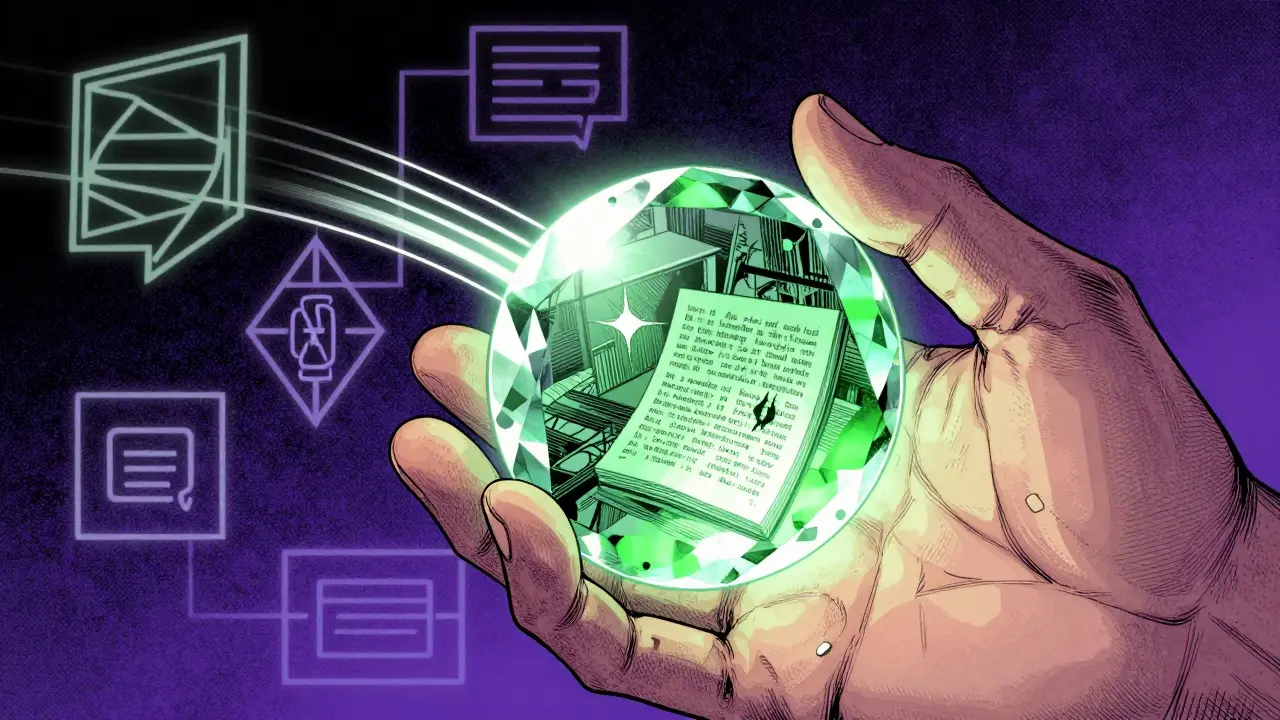
With the explosion of AI-generated content, proving that something is human-made is becoming a premium feature. Blockchain provides the solution through provenance protocols that verify the origin and history of digital content.
Initiatives like Adobe’s Content Authenticity Initiative are integrating with blockchain to create tamper-proof records of creation. When you publish a photo or video, its metadata-including camera settings, edit history, and timestamp-is hashed and stored on-chain. This proves authenticity. For creators, this means you can command higher prices for verified original work. In a sea of synthetic media, genuine human creativity becomes a scarce, valuable commodity.
Scaling Solutions Make It Affordable
Early blockchain experiments were too expensive for most creators. Transaction fees (gas fees) could exceed the price of the content itself. That changed with the widespread adoption of Layer 2 scaling solutions like Arbitrum and Optimism.
These networks sit on top of main blockchains like Ethereum, handling transactions off the main chain before settling them securely. The result? Fees drop by 90% or more, and speeds increase dramatically. In 2025, Arbitrum alone held over $30 billion in total value locked, showing massive institutional confidence. For you, this means selling a $5 digital art piece doesn’t cost $10 in fees. It costs pennies. This economic viability is crucial for the mass adoption of blockchain monetization.
| Feature | Traditional Platforms | Blockchain-Based Systems |
|---|---|---|
| Revenue Share | Platform takes 30-50% | Creator keeps 95-99% |
| Payout Speed | Monthly cycles | Instant settlement |
| Ownership Control | Platform-owned audience data | Creator-owned digital assets |
| Secondary Sales | Rarely tracked or compensated | Automated royalties via smart contracts |
| Cross-Border Fees | High bank/wire fees | Low network fees via stablecoins |
Challenges You Should Know About
It’s not all smooth sailing. While the technology is maturing, there are still hurdles. Regulatory clarity varies by country. Some jurisdictions are welcoming, while others remain cautious about crypto-assets. You need to understand the tax implications of receiving cryptocurrency income in your specific location.
Technical barriers also exist. Managing wallets, understanding seed phrases, and interacting with smart contracts requires a learning curve. However, user interfaces are improving rapidly. Account abstraction protocols (like ERC-4337) are making wallets behave more like familiar email accounts, reducing the risk of losing access due to a lost password.
Additionally, market saturation is a real concern. As more creators enter the space, standing out requires more than just having a blockchain presence. It requires building a genuine community. The technology facilitates the transaction, but trust drives the sale.
Getting Started: Your Next Steps
If you want to start monetizing with blockchain in 2026, here is a practical roadmap:
- Choose a Platform: Look for platforms that support Layer 2 networks for low fees. Consider whether you want a fully decentralized protocol or a hybrid platform that offers easier onboarding.
- Set Up a Wallet: Use a reputable non-custodial wallet. Secure your seed phrase offline. Never share it.
- Start Small: Begin with simple digital goods or membership tokens. Don’t try to tokenize complex IP rights immediately.
- Educate Your Audience: Explain why you’re using blockchain. Highlight the benefits for them-direct support, exclusive access, and transparency.
- Stay Compliant: Keep records of your transactions for tax purposes. Consult with a financial advisor familiar with crypto-assets in your region.
The future of content monetization isn't about speculation; it's about value realization. By leveraging blockchain, you align your incentives directly with your audience. You build equity in your own brand, not someone else’s platform. The tools are ready. The question is whether you’ll use them.
Is blockchain content monetization legal?
Yes, but regulations vary by country. In many regions, selling digital assets or accepting cryptocurrency is legal, but you must report it as income for tax purposes. Always check local laws regarding securities and digital assets.
Do I need to be a tech expert to use blockchain for monetization?
Not necessarily. Many platforms now offer user-friendly interfaces that abstract away complex technical details. However, basic knowledge of wallet security and transaction fees is essential to avoid mistakes.
What are the risks of using stablecoins for payments?
While stablecoins are designed to maintain a steady value, they carry regulatory and counterparty risks. Ensure you use regulated, audited stablecoins and diversify your holdings if possible. Also, be aware of potential de-peging events, though these are rare for major stablecoins.
How do smart contracts ensure I get paid?
Smart contracts are self-executing codes stored on the blockchain. Once the conditions of a sale are met (e.g., a buyer sends funds), the contract automatically transfers the asset to the buyer and the funds to you. There is no intermediary to delay or withhold payment.
Can I sell physical products using blockchain?
Yes. You can use blockchain to verify authenticity and provenance of physical goods. For example, a limited-edition print can come with a digital twin (NFT) that proves its origin and ownership history, adding value to the physical item.