

Here is the hard truth about Belt Finance: it is not a crypto exchange in the way you probably think. If you are looking for a place to buy Bitcoin with your credit card or trade stocks against crypto, you will be frustrated here. Belt Finance is a decentralized finance (DeFi) protocol and automated market maker (AMM) that operates primarily on the BNB Smart Chain. It is a tool for advanced users who want to provide liquidity, farm yields, and swap tokens without handing their keys over to a centralized company.
In 2026, the landscape of decentralized finance has shifted dramatically. With regulatory scrutiny tightening and competition from newer protocols like Stobix intensifying, mid-tier platforms face an uphill battle. Belt Finance, launched in 2020, sits in a tricky spot. It offers multi-chain capabilities and MEV protection, but it lacks the massive liquidity pools and institutional backing of giants like Uniswap or PancakeSwap. Before you connect your wallet, you need to understand exactly what this protocol does, where it falls short, and whether the risks are worth the potential rewards.
What Exactly Is Belt Finance?
To use Belt Finance effectively, you first need to unlearn how traditional exchanges work. There is no customer support chat box to call when your funds get stuck. There is no "Forgot Password" button. Instead, Belt Finance is a set of smart contracts deployed on blockchains. You interact with these contracts directly through your web browser or mobile app.
The core function of the platform is yield farming and liquidity provision. When you deposit assets into a pool on Belt, you earn fees from traders who swap tokens using that pool. The native token, BELT, serves as the governance token and the reward mechanism for stakers. Historically, Belt was known for its "anti-whale" mechanisms designed to prevent large holders from manipulating the price, though the effectiveness of these measures has been debated since the early days of the project.
Unlike centralized exchanges that hold your money, Belt Finance never takes custody of your assets. Your funds remain in your wallet until you approve a transaction. This is both its greatest strength and its biggest risk. If you make a mistake in approving a contract interaction, there is no one to reverse it.
Key Features and Technical Capabilities
Belt Finance has evolved significantly since its inception on Binance Smart Chain. By 2025 and moving into 2026, the protocol expanded its reach to include other networks. Here is what you can expect from the current infrastructure:
- Multi-Chain Support: While BNB Smart Chain remains the home base, Belt now integrates with Solana, Klaytn, and 1Sol. This allows you to access liquidity across different ecosystems without bridging manually in some cases.
- Wallet Compatibility: The platform works with major non-custodial wallets including MetaMask, WalletConnect, Ledger, Phantom, and Solflare. This broad compatibility ensures you don't need to switch hardware devices to participate.
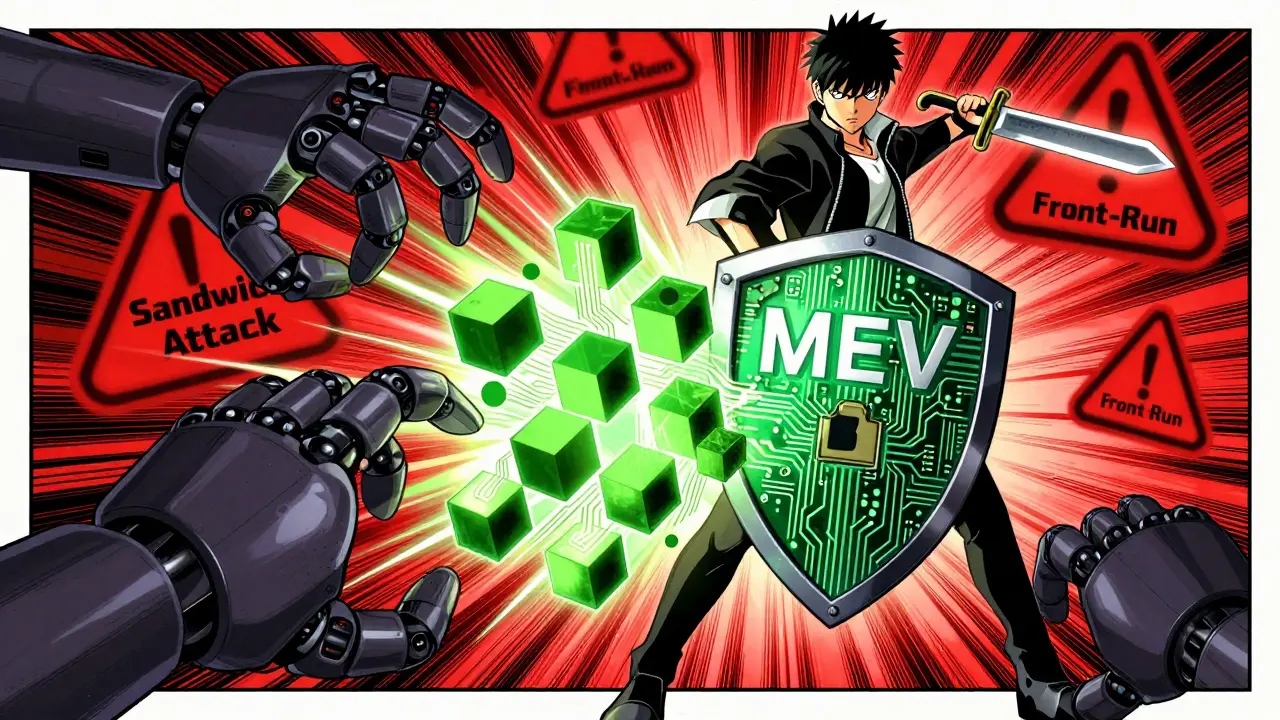
- MEV Protection: One of the standout features mentioned in recent technical reviews is Maximal Extractable Value (MEV) protection. This helps prevent sandwich attacks, where bots exploit your pending transaction to front-run or back-run your trade, costing you money.
- Cross-Chain Aggregation: The protocol aims to find the best prices across multiple decentralized exchanges, theoretically saving you slippage fees during swaps.
However, the user interface can feel cluttered compared to newer entrants. The dashboard presents numerous options for yield optimization, which can overwhelm beginners. For instance, navigating between BSC pools and Solana vaults requires careful attention to network selection; selecting the wrong chain can lead to failed transactions and wasted gas fees.
Security and Trust: The Critical Questions
Security is the single most important factor when evaluating any DeFi protocol. In the world of decentralized finance, code is law, and bugs are expensive. So, how safe is Belt Finance?
First, let's look at audits. Reputable DeFi projects undergo regular security audits by firms like CertiK, Hacken, or PeckShield. As of early 2026, specific, publicly accessible audit reports for Belt Finance's latest smart contracts are sparse in mainstream documentation. This lack of transparency is a red flag for conservative investors. While older versions of the protocol may have been audited, the rapid evolution of cross-chain bridges introduces new attack vectors that require constant verification.
Second, consider the team. Belt Finance was founded in 2020, placing it in the second generation of DeFi protocols. However, the governance structure has historically been opaque. Unlike newer protocols that emphasize community-driven DAO (Decentralized Autonomous Organization) governance with clear voting records, Belt's decision-making process often feels centralized around the core development team. This centralization poses a counterparty risk: if the developers lose control of their private keys or act maliciously, users have limited recourse.
Third, look at the track record. The DeFi space has seen numerous hacks and exploits. While Belt Finance has not suffered a catastrophic total loss event comparable to some high-profile bridge hacks, minor vulnerabilities and slippage issues have been reported by users on forums. Always remember: past performance does not guarantee future security.
Belt Finance vs. Competitors: How Does It Stack Up?
You might wonder why you would choose Belt Finance over established giants or newer alternatives. Let's compare it to two distinct categories: centralized exchanges and other DeFi protocols.
| Feature | Belt Finance | PancakeSwap (DEX) | Binance (CEX) |
|---|---|---|---|
| Type | DeFi Protocol / AMM | DeFi Protocol / AMM | Centralized Exchange |
| Custody | Non-Custodial (You hold keys) | Non-Custodial (You hold keys) | Custodial (They hold keys) |
| Primary Chains | BSC, Solana, Klaytn | BSC, Ethereum | Proprietary Ledger |
| Yield Farming | High Complexity, Variable APY | Moderate Complexity, High Volume | Limited Earn Products |
| User Onboarding | Difficult (Requires Wallet Setup) | Moderate | Easy (Email/Phone Sign-up) |
| Regulatory Risk | High (Unclear Legal Status) | Medium-High | Medium (Licensed in many regions) |
Against PancakeSwap, Belt Finance struggles with liquidity depth. PancakeSwap benefits from being the default DEX on BNB Chain, meaning it has deeper pools and less slippage for large trades. Belt’s niche is its specific yield strategies and cross-chain aggregation, but unless you are targeting those specific pools, PancakeSwap often offers better execution.
Against Binance, the comparison is apples to oranges. Binance is easier to use, offers fiat on-ramps, and has insurance funds. However, you do not own your assets. Belt Finance appeals only to those who prioritize self-custody and are willing to navigate complex interfaces for potentially higher yields.
The BELT Token: Investment or Utility?
The BELT token is central to the ecosystem. It is used for governance votes, staking rewards, and fee discounts. But is it a good investment? The data suggests caution.
Price predictions for BELT in late 2025 and early 2026 were highly divergent. Some analysts pointed to bullish signals based on technical patterns, suggesting upside potential if the broader crypto market rallied. Others, citing the token's historical volatility and lack of institutional adoption, predicted further declines. The absence of listings on top-tier centralized exchanges limits the buyer pool, keeping liquidity thin.
Furthermore, the utility of the token is tied directly to the success of the yield farming pools. If users migrate to newer protocols with higher returns or better security guarantees, demand for BELT drops. This creates a feedback loop where declining TVL (Total Value Locked) leads to lower token value, which in turn reduces incentives for new providers.

User Experience and Practical Usage
If you decide to proceed with Belt Finance, here is what the practical experience looks like in 2026:
- Wallet Setup: You must install a compatible wallet like MetaMask or Phantom. Ensure your seed phrase is stored offline. Never share it.
- Network Configuration: Add the appropriate RPC endpoints for BSC, Solana, or Klaytn to your wallet. Belt provides these details, but double-check them against official sources to avoid phishing sites.
- Funding: Purchase BNB, SOL, or KLAY on a centralized exchange and withdraw them to your personal wallet address.
- Interaction: Connect your wallet to the Belt Finance dApp. Approve the token spending allowance. This step costs a small amount of gas.
- Execution: Select your desired pool or swap pair. Check the estimated output and slippage tolerance. Confirm the transaction in your wallet.
The learning curve is steep. Beginners often struggle with gas fee estimation, especially on Ethereum-compatible chains during peak congestion. Additionally, understanding impermanent loss-the risk that providing liquidity results in less value than simply holding the assets-is crucial. Belt Finance does not shield you from this economic reality.
Risks and Red Flags to Watch
No review is complete without highlighting the dangers. Here are the specific risks associated with Belt Finance:
- Smart Contract Risk: Despite MEV protection, the underlying code could contain undiscovered vulnerabilities. A bug could allow attackers to drain pools.
- Impermanent Loss: If the price of your deposited assets diverges significantly, you may end up with less value than if you had held them in your wallet.
- Regulatory Uncertainty: DeFi protocols operate in a legal gray area. Governments may impose restrictions on cross-chain interactions or classify governance tokens as securities, impacting accessibility.
- Liquidity Fragmentation: As a multi-chain protocol, liquidity is spread thinner than on single-chain giants. This can lead to higher slippage on larger trades.
- Phishing Attacks: Because there is no central login, scammers create fake Belt Finance websites. Always verify the URL carefully.
Final Verdict: Who Is Belt Finance For?
Belt Finance is not for everyone. If you are a beginner looking to buy your first Bitcoin, stay away. Use a reputable centralized exchange instead. If you are a conservative investor seeking stable, low-risk returns, the complexity and smart contract risks of DeFi may not align with your goals.
However, for experienced DeFi users who understand impermanent loss, gas fees, and wallet security, Belt Finance offers a viable option for yield generation on BSC and emerging chains like Solana. Its MEV protection and cross-chain capabilities provide unique advantages that simpler protocols lack. Just remember to start small, verify all contract addresses, and never invest more than you can afford to lose. In the volatile world of DeFi, preservation of capital comes before accumulation of yield.
Is Belt Finance a centralized or decentralized exchange?
Belt Finance is a decentralized exchange (DEX) and yield farming protocol. It operates via smart contracts on blockchains like BNB Smart Chain and Solana, meaning no central company holds your funds.
How do I get started with Belt Finance?
You need a non-custodial wallet like MetaMask or Phantom. Fund it with BNB or SOL, connect it to the Belt Finance website, and approve the necessary token allowances to start swapping or providing liquidity.
Is the BELT token a good investment?
The BELT token is highly volatile and speculative. Its value depends on the protocol's usage and governance participation. Many analysts recommend extreme caution due to limited liquidity and regulatory uncertainties.
Does Belt Finance support Ethereum?
As of 2026, Belt Finance primarily focuses on BNB Smart Chain, Solana, and Klaytn. Direct Ethereum mainnet integration is not a primary feature, though cross-chain bridges may allow indirect access.
What is MEV protection in Belt Finance?
MEV (Maximal Extractable Value) protection helps prevent bots from exploiting your transactions. It reduces the likelihood of sandwich attacks, ensuring you get a fairer price when swapping tokens.