

Imagine living in a country where your government says digital money is illegal, yet hundreds of thousands of your neighbors are buying it every single day. This is the reality for over 600,000 Bangladeshis who actively use platforms like Binance, the world's largest cryptocurrency exchange by trading volume. despite one of the strictest bans on earth. As of mid-2026, this massive underground economy highlights a glaring gap between state policy and citizen behavior. The numbers don't lie: when demand is high enough, prohibition doesn't stop adoption-it just pushes it into the shadows.
The Paradox of Prohibition in Bangladesh
Bangladesh sits in a very exclusive club. Alongside nations like China, Egypt, Nepal, and Afghanistan, it maintains a total ban on cryptocurrencies. You cannot legally buy, sell, or hold Bitcoin here. But unlike some countries that block internet access to these sites entirely, Bangladesh’s approach is more bureaucratic than technical. The Bangladesh Bank, the central bank of Bangladesh responsible for monetary policy and financial regulation. hasn’t passed a specific law saying "Crypto is Illegal." Instead, they rely on older laws to make it effectively impossible.
The main tools used against crypto users are the Foreign Exchange Regulation Act of 1947 and the Money Laundering Prevention Act of 2012. The logic is simple: if you send Taka (the local currency) out of the country to buy something not recognized as legal tender, you are violating foreign exchange rules. If those transactions look suspicious, you risk money laundering charges. This creates a chilling effect, but it doesn't create an impenetrable wall.
Here is the twist: while the government hates cryptocurrency, it loves blockchain technology. In 2020, Bangladesh released a National Blockchain Strategy, admitting that blockchain is essential for digital transformation. So, the government wants the tech but rejects the asset class. This contradiction confuses everyone, from small traders to large banks.
How People Actually Buy Crypto Underground
If you can't just click "Buy" with a credit card without getting flagged, how do 600,000 people get their hands on Bitcoin or Tether? They use workarounds that range from risky to sophisticated.
1. The Local Agent Network (P2P)
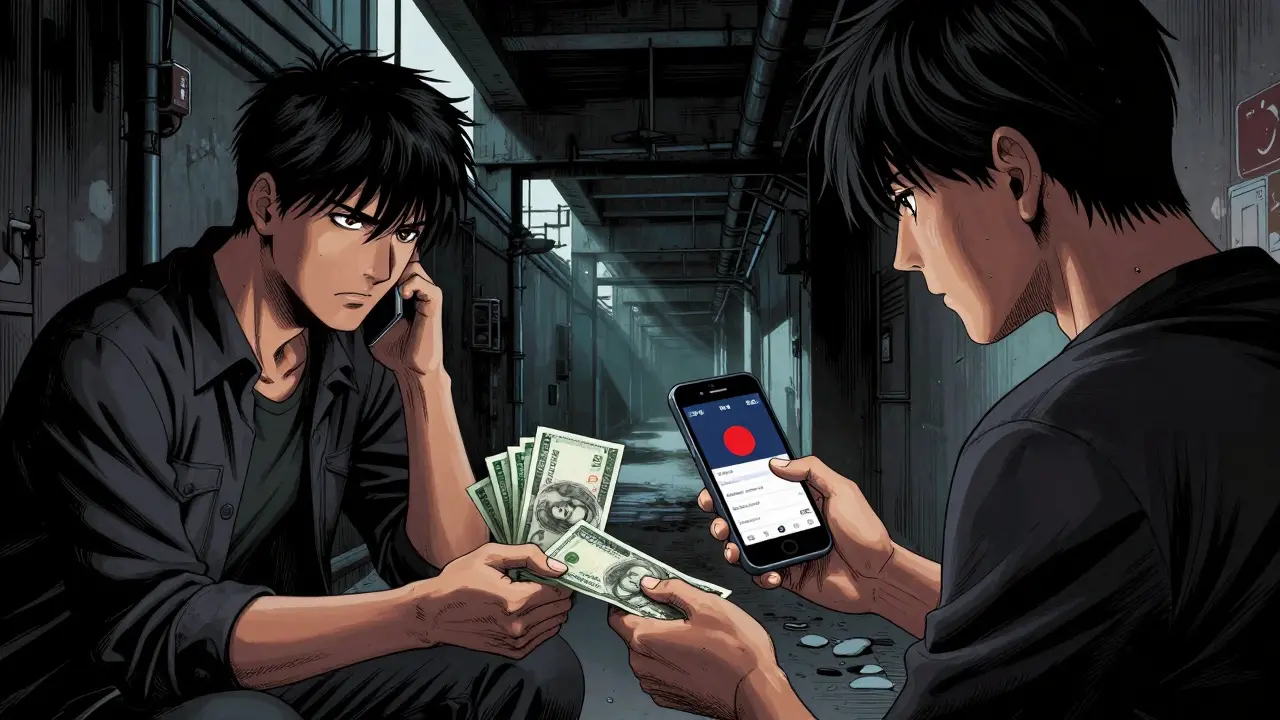
The most common method isn't through official banking channels at all. It’s person-to-person (P2P). Users find local agents-often friends of friends or verified sellers on apps-who agree to trade Bangladeshi Taka for USDT (Tether) or Bitcoin. You transfer BDT to the agent’s bank account, and they release the crypto to your wallet. These agents charge a small commission, usually 1% to 3%, but the convenience outweighs the cost for many. This system thrives because it leaves no direct digital trail linking your bank account to a crypto exchange.
2. App Store Accessibility
Surprisingly, apps like Binance and KuCoin remain available on the Google Play Store in Bangladesh. The government has not successfully blocked these apps at the network level. This means anyone with a smartphone can download the interface, create an account, and see the prices. The barrier isn't access; it's funding the account safely.
3. Credit Card Risks
Some users try using international credit cards directly on exchanges. While this works technically, it is dangerous. Banks track these USD transactions closely. If the Financial Intelligence Unit (FIU), the agency in Bangladesh responsible for combating money laundering and terrorist financing. flags your activity, your bank account could be frozen. Most savvy users avoid this route entirely.
The Real Risks: Beyond Just "It's Illegal"
When people say crypto is banned, they often mean there are no protections. Let’s break down what happens if things go wrong.
| Risk Type | Description | Potential Consequence |
|---|---|---|
| Legal Action | Violating the Foreign Exchange Regulation Act | Fines, imprisonment, or criminal records |
| Bank Account Freeze | Banks detecting suspicious outbound transfers | Loss of access to funds for months during investigation |
| Scams & Fraud | No consumer protection for P2P trades | Total loss of funds if the agent disappears |
| Tax Ambiguity | No clear crypto tax laws | National Board of Revenue may apply general income tax rates retroactively |
The biggest fear isn't always jail; it's losing your life savings. Because these trades happen outside the formal banking system, there is no recourse if a P2P seller scams you. You cannot call customer service. You cannot file a police report easily without admitting to breaking the law yourself. This lack of safety net keeps many potential users away, but for the 600,000 active users, the potential gains seem worth the gamble.
Why Does the Government Keep the Ban?
You might wonder why Bangladesh holds onto such a restrictive policy when neighboring countries like India have moved toward regulation rather than prohibition. The reasons are rooted in fear and control.
Capital Flight: Bangladesh struggles with foreign reserve shortages. The government fears that if citizens can easily convert Taka to stablecoins like USDT, they will move their wealth out of the country instantly, destabilizing the local currency.
Money Laundering Concerns: Without transparent tracking, crypto can be used to hide illicit funds. The FIU worries that banning traditional checks allows criminals to operate freely.
Religious Interpretations: Some religious scholars in the region argue that crypto violates Islamic finance principles due to its volatility and lack of intrinsic value. While not a legal basis, this social pressure influences political decisions.
However, experts are pushing back. Dr. B M Mainul Hossain, a professor at Dhaka University, argues that "banning is not a solution." He suggests that the government should focus on monitoring identities rather than blocking the technology. His point is valid: you can't ban the internet, and you can't really ban code. By ignoring the issue, the government only drives it deeper underground where they have zero visibility.
The Future: Will the Ban Lift?
As we move through 2026, the pressure on Bangladesh is mounting. The sheer volume of users-600,000 on Binance alone-is a signal that the current strategy is failing. You cannot regulate what you refuse to acknowledge.
We are seeing signs of softening. Discussions about a regulatory framework are happening behind closed doors. The key question is whether Bangladesh will follow India’s path (heavy taxation and restrictions) or embrace a more open model like Dubai. For now, the status quo remains: a thriving shadow economy operating in defiance of the state.
If you are considering entering this market, understand that you are operating in a grey zone. There is no safety net. Do your own research, trust no one blindly, and never invest money you cannot afford to lose-or worse, lose to legal complications.
Is it illegal to own Bitcoin in Bangladesh?
Yes, effectively. While there is no specific law that says "owning Bitcoin is a crime," the Bangladesh Bank considers it a violation of the Foreign Exchange Regulation Act and Money Laundering Prevention Act. Holding or trading crypto can lead to legal penalties, including fines and imprisonment.
Can I use my Bangladeshi bank card on Binance?
Technically yes, but it is highly risky. Transactions processed in USD may be flagged by your bank and the Financial Intelligence Unit (FIU) as suspicious activity. This can lead to your bank account being frozen or investigated for money laundering.
How do most people buy crypto in Bangladesh?
Most users rely on Peer-to-Peer (P2P) markets. They connect with local agents via apps like Binance P2P, transfer Bangladeshi Taka to the agent's bank account, and receive cryptocurrency (like USDT or BTC) in their digital wallet. This method avoids direct international wire transfers.
Will Bangladesh legalize crypto soon?
There is no official timeline for legalization. However, with 600,000+ active users and global trends shifting toward regulation, experts predict the government may eventually adopt a monitored regulatory framework similar to India or Nigeria, rather than maintaining a total ban.
What happens if I get caught trading crypto?
If authorities catch you, you face penalties under the Foreign Exchange Regulation Act. This can include heavy fines, confiscation of assets, and potentially prison time depending on the volume of transactions. Additionally, your bank accounts may be permanently closed.