

Imagine holding digital assets worth thousands of dollars, knowing that if the government finds out, you could face prison time or fines reaching millions of Egyptian pounds. This is the reality for anyone dealing with cryptocurrency in Egypt today. Recent rumors suggest there are 3 million crypto holders in the country despite a strict legal prohibition. Is this number real? Or is it just noise in an underground market?
The short answer is: nobody knows for sure. Because owning crypto is illegal in Egypt, no official data exists. People don't report their holdings to the tax office. They don't list them on bank statements. So where does the "3 million" figure come from? It’s likely an estimate based on wallet activity, exchange sign-ups before crackdowns, or social media trends. But without verified sources, it remains speculation.
Why Did Egypt Ban Cryptocurrency?
To understand why so many Egyptians might be risking jail time for Bitcoin or Ethereum, we need to look at why the ban was created in the first place. The Central Bank of Egypt (CBE) didn’t wake up one day and decide to hate digital money. Their decision came from specific fears about financial stability.
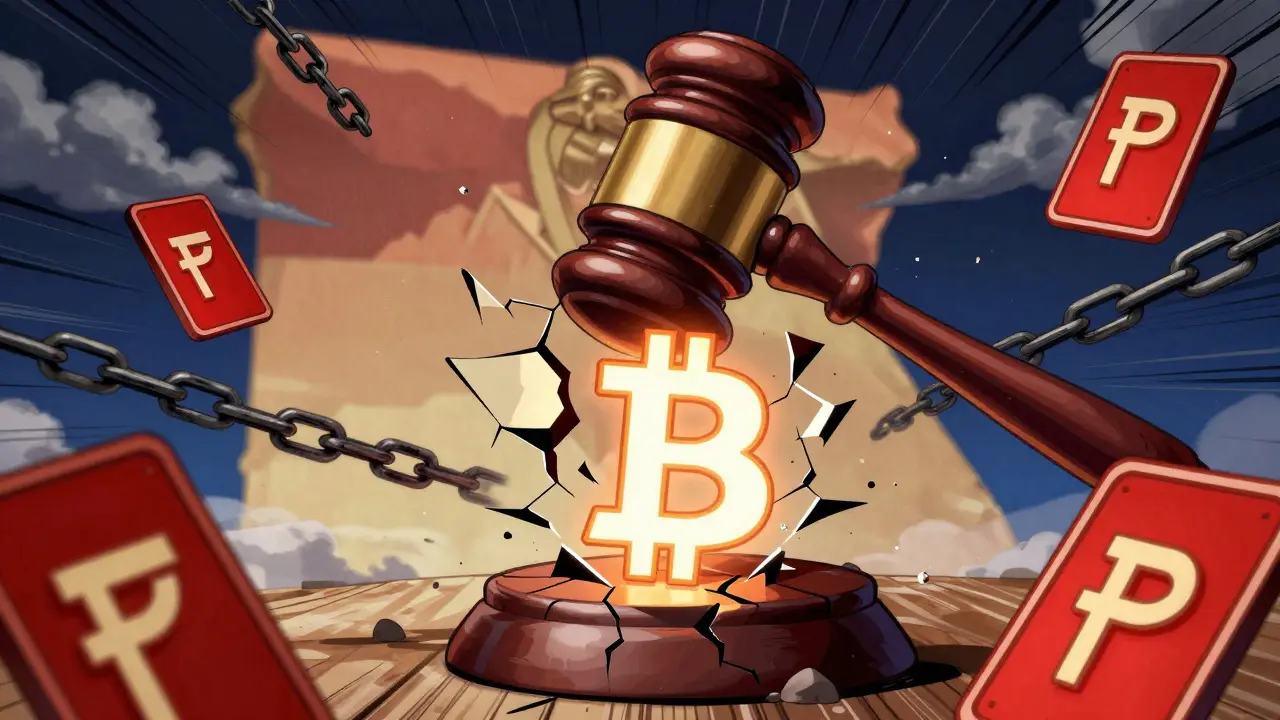
In 2020, Egypt passed Law No. 194, known as the Central Bank and Banking System Law. Article 206 of this law is the key piece of legislation. It explicitly prohibits any individual, bank, or financial institution from issuing, trading, promoting, or operating platforms that deal with crypto assets unless they have prior approval from the CBE. Since the CBE has granted zero approvals for retail crypto trading, the ban is effectively total.
The reasons behind this move are practical. First, volatility. Bitcoin can swing 10% or 20% in a single week. For a country trying to stabilize its currency against inflation and dollar shortages, having citizens park savings in volatile assets is a nightmare for monetary policy. Second, fraud. Scams involving fake ICOs (Initial Coin Offerings) and Ponzi schemes have hurt ordinary investors globally. The CBE wants to protect Egyptians from losing life savings to unregulated projects. Third, capital flight. If people convert Egyptian Pounds into Bitcoin and move it overseas, it drains liquidity from the local economy.
The Cost of Breaking the Rules
If you’re thinking about buying crypto in Egypt, you need to know the stakes. These aren’t small traffic-ticket fines. The penalties are designed to scare people away.
- Imprisonment: Violators can face jail time. While exact sentencing depends on the severity and whether it’s an individual or corporate crime, the threat of incarceration is real.
- Heavy Fines: Financial penalties range from EGP 1 million to EGP 10 million. At current exchange rates, that’s roughly $32,000 to $320,000 USD. For the average Egyptian, these numbers are ruinous.
- Asset Seizure: Authorities can freeze or seize accounts linked to crypto transactions.
These penalties apply not just to traders but also to businesses. If a shop accepts Bitcoin for coffee, the owner is liable. If a startup builds a crypto app without a license, the founders are liable. This creates a chilling effect on innovation. Many tech entrepreneurs leave the country to build fintech products because they can’t operate legally at home.
How Do Egyptians Actually Use Crypto?
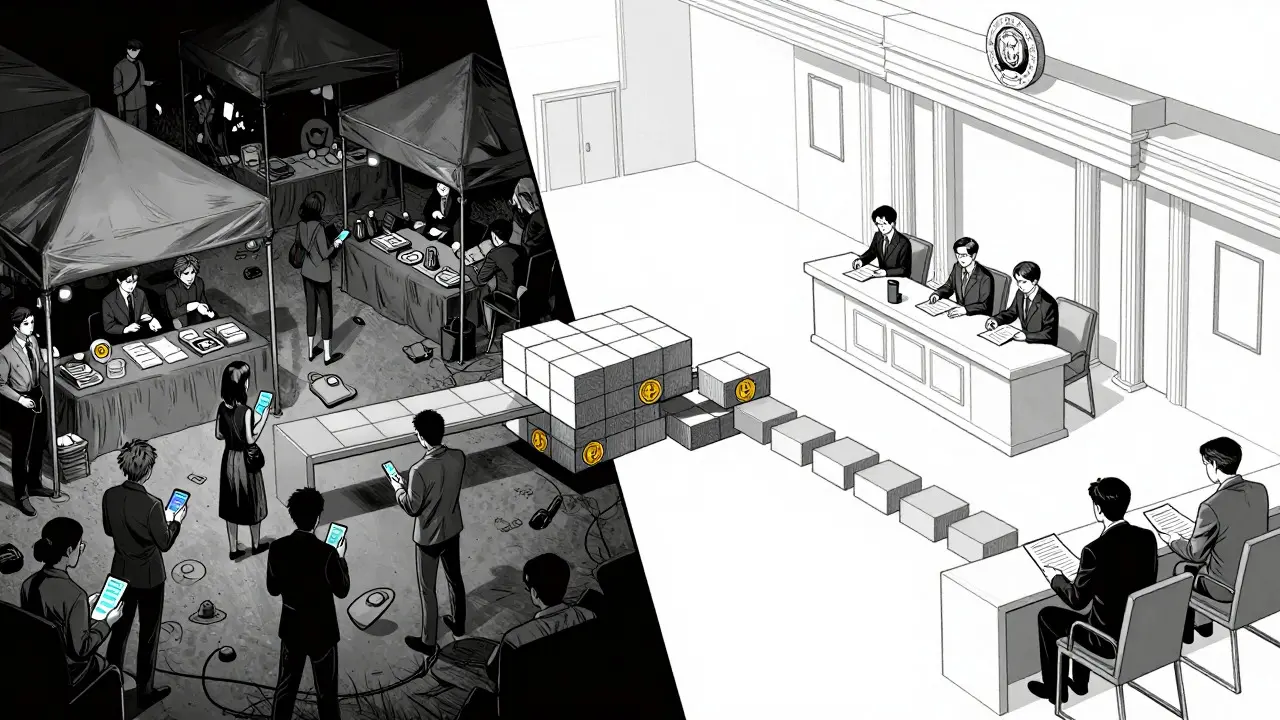
If the ban is so strict, how do people still hold crypto? The answer lies in the decentralized nature of blockchain technology. You don’t need permission to download a wallet app. You don’t need a bank account to send Bitcoin to someone else. Here’s how the underground market works:
- P2P Trading: Most users buy and sell crypto through peer-to-peer (P2P) platforms like Binance P2P or LocalBitcoins (before it shut down). They transfer Egyptian Pounds via bank transfer or mobile wallets (like Vodafone Cash) and receive crypto directly to their private wallets. No central exchange holds the funds.
- Crypto ATMs: Some cities have seen the rise of Bitcoin ATMs. While rare and often targeted by authorities, they allow cash-for-crypto swaps with minimal identification.
- Offshore Exchanges: Users sign up for international exchanges that accept Egyptian residents (even if technically against local law). They use prepaid cards or third-party payment methods to fund accounts.
- Stablecoins: Many Egyptians use USDT (Tether) or USDC rather than Bitcoin. Why? Because stablecoins pegged to the US Dollar offer a hedge against the devaluation of the Egyptian Pound. In times of high inflation, holding USD-pegged tokens feels safer than holding local currency.
This clandestine activity makes tracking impossible. Blockchain explorers can see transaction volumes, but they can’t tell you who owns the wallet. That’s why the "3 million holders" claim is hard to verify. It could be true, or it could be inflated by bots and dormant accounts.
Is the Ban Changing?
There are whispers in the financial community that Egypt might soften its stance. Reports suggest the government is considering legislation that would allow the Central Bank to issue licenses for cryptocurrency companies. This wouldn’t mean a free-for-all. It would likely mean regulated exchanges, strict KYC (Know Your Customer) rules, and taxes on gains.
Why consider change? Because bans rarely work long-term. Look at Nigeria or India. Both had strict restrictions, yet adoption grew. Eventually, regulators realized they were pushing activity underground where they couldn’t tax it or control it. By bringing crypto into the light, governments can generate revenue and protect consumers.
Egypt is also looking at blockchain technology itself, separate from cryptocurrencies. The National Bank for Agriculture and Cooperative Development has explored using blockchain for supply chain transparency. The government sees the tech’s value but hates the asset class. This split view is common among regulators worldwide.
| Country | Status | Key Concern | Penalties |
|---|---|---|---|
| Egypt | Banned (Law 194) | Financial Stability, Capital Flight | Jail + Up to EGP 10M Fine |
| Algeria | Banned | Exchange Control | Fines & Imprisonment |
| Morocco | Restricted | Not Legal Tender | Fines for Exchange Violations |
| Tunisia | Banned | Money Laundering Risks | Strict Enforcement |
Egypt isn’t alone in this region. Algeria, Morocco, and Tunisia all maintain tight controls. However, countries like South Africa have embraced regulation, creating a clear path for businesses. Egypt may follow suit eventually, but for now, the red line stands.
The Real Risk for Everyday Users
Let’s talk about what this means for you if you live in Cairo, Alexandria, or Luxor. The biggest risk isn’t necessarily being arrested tomorrow. It’s the lack of recourse. If you get scammed on a P2P trade, who do you call? The police won’t help because the transaction itself was illegal. If an exchange freezes your account, you have no legal standing to sue them in Egypt.
Also, banks are watching. The CBE has issued circulars to commercial banks telling them to monitor suspicious transactions. If your bank account suddenly receives large transfers labeled "consulting fees" while you’re clearly buying Bitcoin on Binance, your account could be frozen. Banks prefer to avoid trouble with the regulator, so they err on the side of caution.
For freelancers earning in USD, crypto offers a way to bypass currency controls. But it comes with stress. Every transaction requires careful planning. You need multiple wallets. You need to know how to mix coins or use privacy features. It’s not easy money; it’s risky money.
What Should You Do?
If you’re an Egyptian resident interested in crypto, here are some practical steps to minimize risk, even though any participation carries legal weight:
- Use Non-Custodial Wallets: Keep your crypto in a wallet you control (like MetaMask or Trust Wallet), not on an exchange. If the exchange gets banned or shuts down, you still own your keys.
- Avoid Large Transfers: Break up purchases into smaller amounts to avoid triggering bank alerts.
- Research Reputable Platforms: Stick to well-known global platforms with strong security records. Avoid new, unknown apps promising high returns.
- Stay Informed: Follow updates from the Central Bank of Egypt. Laws can change overnight. What’s illegal today might be taxed tomorrow.
- Consult a Lawyer: If you’re running a business involving crypto, get legal advice. The difference between personal use and commercial operation can drastically change your liability.
Remember, this isn’t financial advice. It’s survival advice in a gray market.
Is Bitcoin legal in Egypt in 2026?
No. As of 2026, Bitcoin and other cryptocurrencies remain effectively banned for retail trading and investment under Law No. 194 of 2020. While the government may be exploring licensed frameworks, no official legalization has occurred yet.
Where did the "3 million crypto holders" statistic come from?
This figure is unverified and likely speculative. It may be based on estimated active wallets, social media engagement, or P2P trading volume. Since crypto ownership is illegal, there is no official census or registry to confirm the exact number of holders.
Can I be arrested for holding Bitcoin in Egypt?
Yes. Violating Article 206 of the Central Bank Law can result in imprisonment and heavy fines. While enforcement often targets large-scale operators or exchanges, individuals are technically liable if caught trading or promoting crypto assets.
Are there any exceptions for blockchain technology?
The ban specifically targets crypto *assets* and *trading*. Blockchain technology used for non-financial purposes (like supply chain tracking or healthcare records) is not explicitly banned, but any project involving token issuance must get prior approval from the Central Bank, which is currently rare.
Will Egypt legalize crypto soon?
There are reports that the government is considering licensing frameworks for crypto companies, suggesting a potential shift toward regulation rather than total prohibition. However, no timeline or concrete legislation has been announced as of mid-2026.